
What Happens If I Don't Pay My Credit Card Bill?
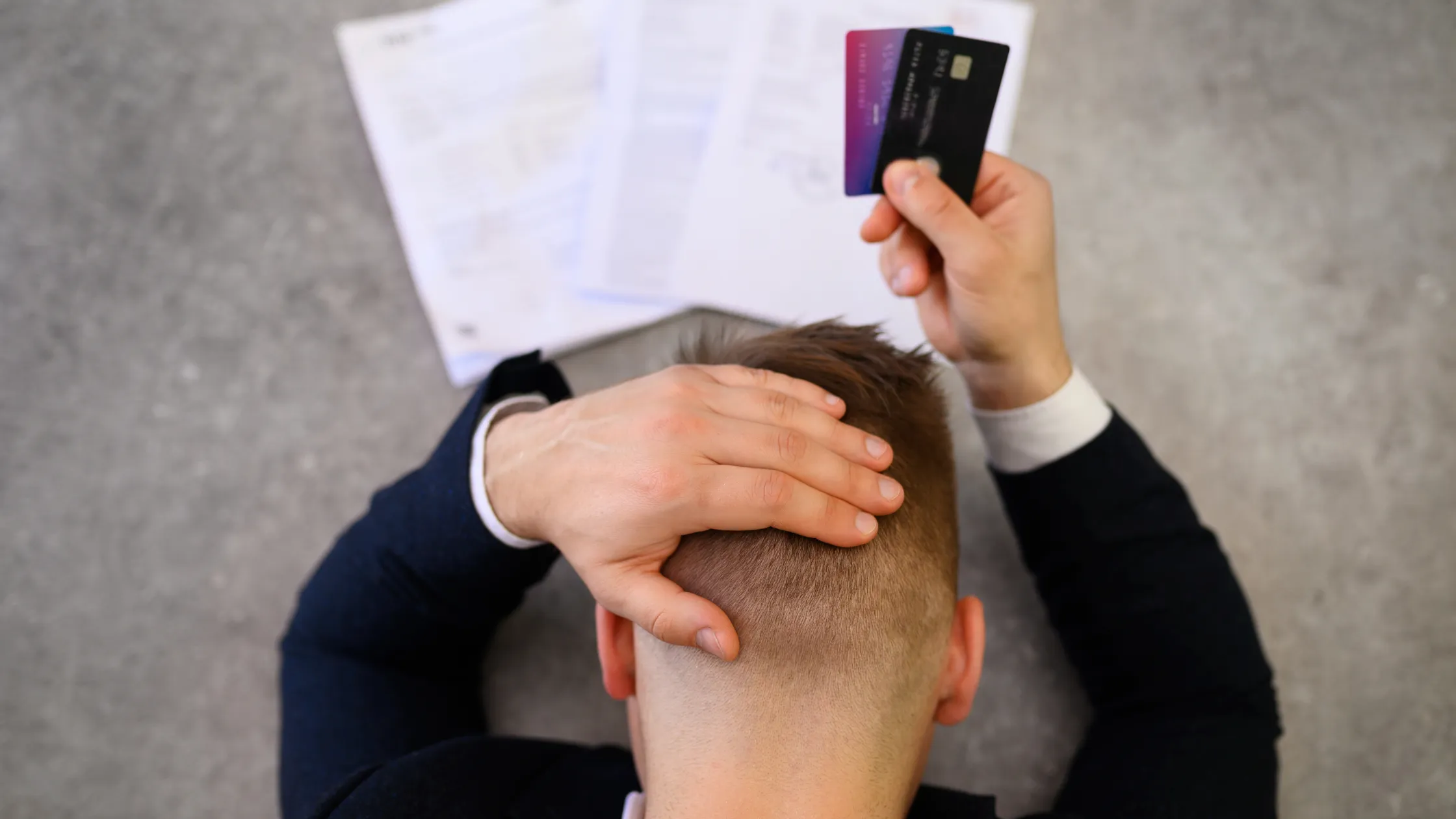
Not Paying Your Credit Card Bill?
Advertisements
Credit cards are a powerful financial tool, but irresponsible use can lead to serious consequences.
Many people underestimate the effects of not paying the credit card bill, believing that just a small delay won't make a difference.
However, the reality is quite different: from exorbitant interest rates to having your name restricted by credit protection agencies, penalties can quickly accumulate.
Furthermore, non-payment can trigger a series of financial and legal problems, affecting not only your financial health but also your future planning.
Continue reading:
Not Paying Your Credit Card Bill?

Banks and credit card companies do not hesitate to take strong action against defaulters, and the impact can last for years.
Therefore, understanding the consequences is essential to avoid decisions that compromise your stability.
In this article, we will explore in detail what happens when you don't pay the credit card bill.
In this sense, from the first days of delay to the most drastic measures that can be taken against you.
Follow along and find out how to protect yourself before it's too late.
Also read our article on: Purposeful Finance: How to Spend on What Really Matters
1. Accumulation of Interest and Fines: The Snowball Effect
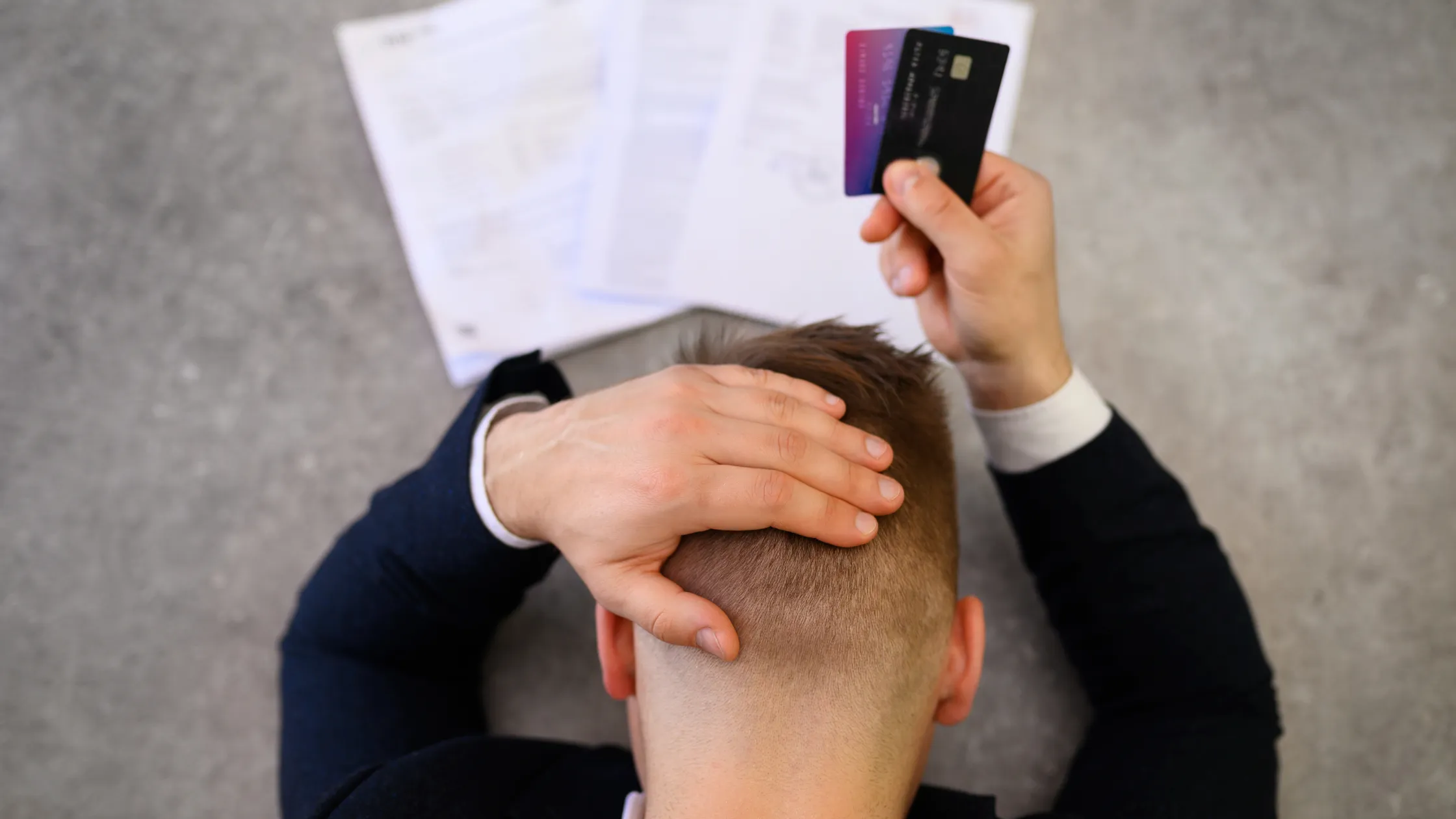
When you don't pay the credit card bill, the first consequence is the accumulation of interest and fines.
The card's revolving interest rates are among the highest in the financial market, and can exceed 400% per year.
In short, this means that an initially small debt can turn into a stratospheric amount in just a few months.
Additionally, late fees are applied immediately upon due date, typically ranging from 2% to 10% of the invoice amount.
Combined with daily interest, these penalties create a snowball effect, making it increasingly difficult to pay off the debt.
Many people end up in a vicious cycle where only interest is paid, while the outstanding balance remains intact.
To make matters worse, if the minimum payment is not made, the card may be blocked, preventing further purchases.
In a short time, what seemed like a simple oversight turns into a serious financial problem, requiring renegotiation or even legal action to resolve.
2. Negative Name and Credit Restriction
Another immediate consequence of not paying the credit card bill is the negative listing of the CPF or CNPJ in credit protection agencies, such as Serasa, SPC and Boa Vista.
This measure usually occurs after 30 to 90 days of delay, depending on the administrator's policy.
++ How to Save Money Living Alone Without Suffering
Once registered in these registries, your name becomes a defaulter, making it difficult to obtain approval for loans, financing, and even the contracting of basic services.
Additionally, telephone companies, rental companies, and even employers may check your credit history before closing deals.
In other words, this means that, in addition to financial difficulties, your reputation in the market may be damaged.
Many people only realize the gravity of the situation when they try to purchase an essential item and are blocked because they are on the credit “blacklist.”
Therefore, it is worth noting that, even after the debt is paid, the default record can remain with the protection agencies for up to five years.
Therefore, rather than solving the problem later, the ideal is to prevent it from happening, keeping your accounts up to date and looking for alternatives before the situation gets out of control.
3. Persistent Charges and Legal Actions
If the debt persists, the next step will be for the bank or card issuer to start charging you.
Initially, the calls and messages are friendly, just reminding you to pay.
However, after a few months, the demands may become more incisive, with calls at inappropriate times and even contact with family and acquaintances.
Therefore, if the debt remains unpaid, the financial institution can go to court to collect the amount due.
In this scenario, your name may be included in enforcement proceedings, resulting in the seizure of assets or payroll deductions.
In extreme cases, even bank accounts and properties may be frozen to ensure payment.
To avoid reaching this point, it's crucial to seek agreements as soon as you realize you won't be able to pay the bill.
Many institutions offer installment options with reduced interest, allowing you to regularize your situation without major disruptions.
4. Impact on Credit Score and Future Financial Difficulty
In addition to the negative, not paying the credit card bill directly affects your credit score, a score that varies between 0 and 1000 and determines your reliability in the market.
In this sense, the lower the score, the more difficult it will be to obtain credit in the future, even after paying off the debt.
Banks and financial institutions evaluate this indicator before granting any type of financing, and a low score can mean higher interest rates or even a complete rejection of the application.
Additionally, many services today use the score as an eligibility criterion.
From signing up for a cell phone plan to renting a car, your payment capacity will be constantly evaluated.
Therefore, maintaining a positive track record is essential to ensuring long-term financial freedom.
For those who already have a compromised credit score, the solution is to renegotiate their debts and begin rebuilding their reputation.
In short, punctual payments and responsible use of credit can gradually improve your score and reopen doors in the market.
5. Possibility of Loss of Benefits and Reduced Limits
Many credit cards offer benefits such as cashback, miles, and exclusive discounts.
However, when not paying the credit card bill, you may lose these benefits.
Banks often suspend rewards programs for delinquent customers, in addition to drastically reducing the available limit.
In more severe cases, the card may be canceled, leaving you without an important emergency tool.
Furthermore, the restriction may extend to other financial products, such as checking accounts and personal loans, making it even more difficult to reorganize finances.
In this sense, if you depend on your card for essential expenses, it's best to avoid delays as much as possible.
If you're experiencing difficulties, contact your bank to find alternatives before penalties start to accrue.
Table: Consequences of Non-Payment of Credit Card Bill
| Delay Period | Consequences |
|---|---|
| 1 to 30 days | Revolving interest, fines and temporary blocking of the card. |
| 31 to 90 days | Negative name on Serasa/SPC and recurring charges. |
| Over 90 days | Legal proceedings, seizure of assets and reduction of credit score. |
Not paying your credit card bill: Conclusion
Now that you know what happens to not paying the credit card bill, it is clear that prevention is the best strategy.
Organizing your finances, setting priorities, and, if necessary, seeking renegotiation are fundamental steps to avoiding bigger problems.
If you are already in default, don't wait for the situation to get worse.
Contact your bank, explain your situation, and try to reach an agreement that fits your budget.
In short, remember: the sooner you resolve the issue, the smaller the impact on your wallet and your name.
Ultimately, your credit card can be your friend or your foe.
It all depends on how you use it.
So stay in control, pay your bills on time, and maintain your financial health!
