
Ethics in investments: is it possible to profit without becoming corrupt?

Ethics in investments is no longer a philosophical or moral choice: it is an increasingly urgent requirement in a market driven by transparency, ESG and social pressure.
Advertisements
In this article, we'll explore whether it's possible to profit without becoming corrupt, analyzing the real conflicts between financial return and responsibility, with practical examples, current statistics, and a keen look at one of today's biggest dilemmas.
Summary:
- What does it mean to invest ethically?
- The Profit Dilemma: The Pressure That Leads to Moral Hazard
- ESG and the new generation of conscious investors
- Cases that challenge integrity
- How to align performance and principles?
- Real data and global impact
- Disinformation and greenwashing: hidden risks
- The role of ethical financial education
- Conclusion: Is it worth taking the hardest path?
What does it mean to invest ethically?
Invest with ethics in investments is to act in accordance with principles that respect the environment, society and corporate governance.
But this concept goes far beyond the ESG guidelines present in corporate reports.
It manifests itself in everyday actions: choosing not to support companies that pollute, exploit labor, or finance authoritarian regimes.
It is also not about turning a blind eye to predatory practices in the name of short-term profit.
The ethical investor understands that every financial decision is also a statement of values.
He participates in the market responsibly, knowing that his capital has a concrete impact on the world.
Increasingly, digital tools make this tracking possible.
Applications like Yubb and Goin are beginning to classify assets based on sustainability and transparency criteria, democratizing access to information.
See also: The Liquidity Paradox: How Much Does It Really Matter?
The Profit Dilemma: The Pressure That Leads to Moral Hazard
With increasing market volatility and the culture of quick returns, many investors find themselves attracted to profitable but morally questionable sectors.
Oil, cigarettes, gambling, and guns are classic examples.
The pressure for quarterly results, especially in funds and managed portfolios, intensifies this dilemma.
Managers are constantly pressured to perform, often to the detriment of ethical consistency.
But there's no way to separate the effects of an investment from its consequences. When financing a company that engages in abusive practices, one cannot claim neutrality.
It is at this point that the ethics in investments emerges as a counterpoint to blind pragmatism.
Profiting from destruction can bring financial returns, but also social and reputational damage that is difficult to reverse.
+ The silent impact of denied credit on your financial life
ESG and the new generation of conscious investors
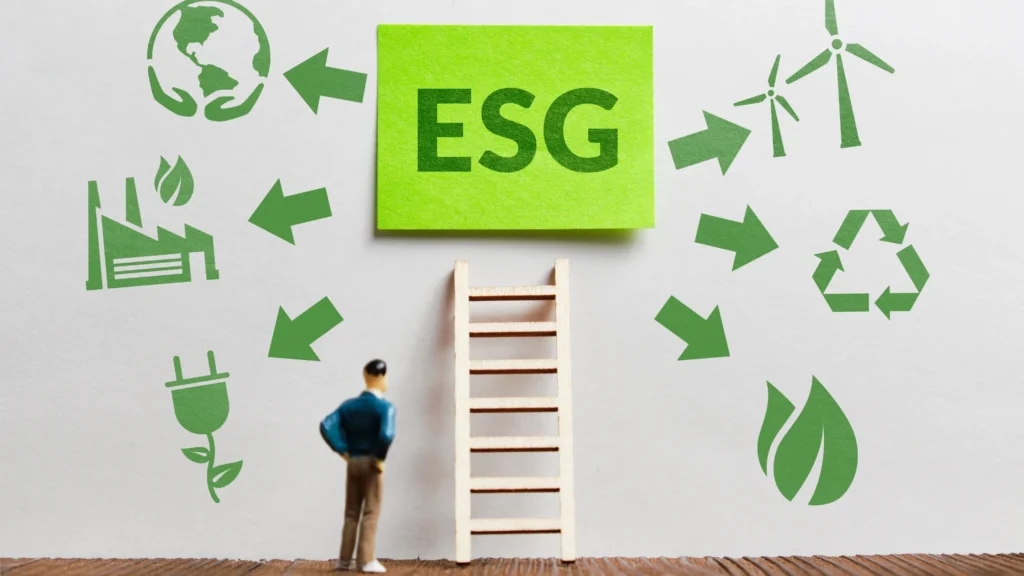
According to Morningstar, sustainability-focused funds received more than US$1,400 billion in investments in 2024, surpassing traditional funds in profitability over the last three years.
This trend is not a fad, but a reflection of the behavior of a new generation.
Millennials and Generation Z view investing as a form of economic activism.
Making money isn't enough: you need to know where it comes from and where it goes. Companies that treat their employees well, respect environmental legislation, and value governance are increasingly valued.
This shift puts pressure on the market to adapt. Large asset managers, such as BlackRock, already condition part of their investments on meeting environmental and social goals.
The world is changing, and those who ignore this trend may be left behind.
+ Land Investments: Why This Asset Has Re-Attracted Attention
Cases that challenge integrity
In 2019, the collapse of Vale's Brumadinho dam exposed an uncomfortable truth: many investors ignored environmental warnings in pursuit of profits, suffering billions in losses after the tragedy.
On the other side of the spectrum, fashion company Patagonia refuses to go public to avoid committing to expectations that conflict with its environmental and social values.
This reinforces the idea that ethics and profitability can, indeed, coexist.
Companies like Natura also adopt ESG-focused management and reap the rewards in the form of improved reputation and investor loyalty.
These examples demonstrate that it's possible to make profitable decisions without compromising principles. You just need to focus on the long term.
How to align performance and principles?

Reconciling results with values requires planning and access to reliable information. Initiatives such as the ESG Dashboard B3 assist in this process, allowing companies to be compared based on clear indicators.
Impact funds are an interesting alternative. They prioritize investments with the potential for social or environmental transformation, without sacrificing profitability. Renewable energy, sustainable infrastructure, and education are some of the sectors on the rise.
It's not about sacrificing profit, but understanding that it can come from healthier and more consistent sources.
THE ethics in investments It is a choice that redefines priorities, not that nullifies results.
Real data and global impact
According to the Global Sustainable Investment Alliance (GSIA), the global volume of sustainable assets exceeded US$30 trillion in 2024, a jump of US$151 trillion from the previous year.
| Type of Investment | Growth 2023-2024 | Total Invested (US$$) |
|---|---|---|
| Global ESG | +15% | US$ 30.3 trillion |
| Green Energy | +21% | US$ 6.4 trillion |
| Social Funds | +18% | US$ 2.9 trillion |
| Corporate Governance | +12% | US$ 1.7 trillion |
These figures show that the demand for ethical investments is not niche, but part of a consolidated and growing movement. The gains are real, sustainable, and globally recognized.
Disinformation and greenwashing: hidden risks
All that glitters is not gold. With increasing pressure on ESG, companies have also emerged that manipulate data to appear more sustainable than they actually are. This is known as greenwashing.
Investors need to be wary of vague reports, generic targets, and a lack of transparency.
Sites like Morningstar Sustainalytics offer reliable and up-to-date ratings, helping you avoid pitfalls.
Transparency, therefore, is more than a value: it is a protection tool for those who wish to invest their capital consciously.
The role of ethical financial education
Ethical investing also requires education. Understanding how market mechanisms work, learning to analyze reports, and developing critical thinking skills are essential.
Initiatives like the "Financial Education for All" program, promoted by the Central Bank, play an important role in developing a new type of investor: more informed, more aware, and less vulnerable to fads.
If we want to transform the market, we need to start at the foundation: knowledge is the first step towards ethical and lasting financial practices.
Conclusion: Is it worth taking the hardest path?
Profiting without corruption is a concrete possibility. It's not without its challenges, but it's also not immune to reality. It requires research, positioning, and conscious choices.
THE ethics in investments It's not an obstacle to growth, but a guide toward a more solid, transparent, and fair market. The future of wealth is linked to responsibility.
As an analogy, think of investing as a diet: you can indulge in financial junk food, but only healthy choices will bring real, lasting benefits.
After all, isn't getting rich at the expense of conscience too high a price?
Frequently Asked Questions
1. How do you know if a company is ethical to invest in?
Check ESG seals, assessments on platforms like B3, Morningstar, Sustainalytics, and read companies' sustainability reports.
2. Are ethical investments less profitable?
No. Many ESG funds have performed better than conventional funds, with less regulatory and reputational risk.
3. How to avoid falling into greenwashing?
Look for transparency, clear goals, and independent audits. ESG assessment platforms help identify inconsistencies.
4. Are there ethics in cryptocurrencies?
It depends on the project. Currencies focused on environmental impact and decentralized initiatives with responsible governance are examples of progress.
5. Where to find reliable information?
Access reports like the one from GSIA and websites of reputable institutions such as the UN, B3 and Morningstar.
