
Controlling spending on eating out: practical alternatives

THE control of spending on eating out represents one of the biggest challenges to personal financial health.
Advertisements
After all, the convenience of ready-made or restaurant meals is appealing in busy everyday life.
Read the text and check out tips that will help you with this control!
Why is controlling your eating out expenses important for your finances?
Analyzing food expenses is crucial because these amounts are often underestimated. Small daily expenses can add up to a significant amount at the end of the month.
Do you notice how much your monthly budget is impacted by that last-minute coffee or lunch? It's the combination of these habits that throws your finances out of balance.
This situation is like the metaphor of "the constant drip." A dripping faucet seems harmless, but over the course of a year, it wastes thousands of liters of water, or, in your case, money.
The sector of food service in Brazil it is on the rise, proving the popularity of the habit.
According to the Foodservice Institute Brazil (IFB), Brazilian consumers spent a record total of R$61.4 billion on food service in the second quarter of 2024.
This figure, which represents the highest historical level ever recorded, demonstrates the scale of out-of-home consumption. The average ticket, in fact, reached R$ 19.74, indicating stable but high values.
Understanding these numbers helps you clearly see the savings opportunity. A slice of this R$61.4 billion pie can be returned to your pocket with just a few small changes.
Master the control of spending on eating out This frees up resources for larger investments. You can, for example, anticipate the purchase of an asset or build up your emergency fund.
Read also: How to plan to buy your own home without getting into too much debt
How to start planning your eating out spending control?
The first step is to acknowledge the reality of your external eating habits. You need an honest assessment of your current expenses.
Track every penny you spend on food and drink outside the home for two weeks. Use a financial app or a simple spreadsheet, but record everything accurately.
Don't limit yourself to just lunch at work; include snacks, deliveries nighttime snacks and even that ice cream. Having complete clarity about your consumption patterns is the starting point.
With this information in hand, set a reasonable and firm monthly spending limit. This limit should be challenging but achievable to maintain your motivation.
It can be helpful to set aside a specific amount each week, like an "indulgence budget." This way, you can avoid going over your limit in the first few days.
Then explore the smart alternatives we'll detail below. Discovering new routines may be easier than you think for your control of spending on eating out.
+ Financial Planning for Couples: How to Align Dreams and Budgets
What are practical alternatives to reduce your daily lunch bill?
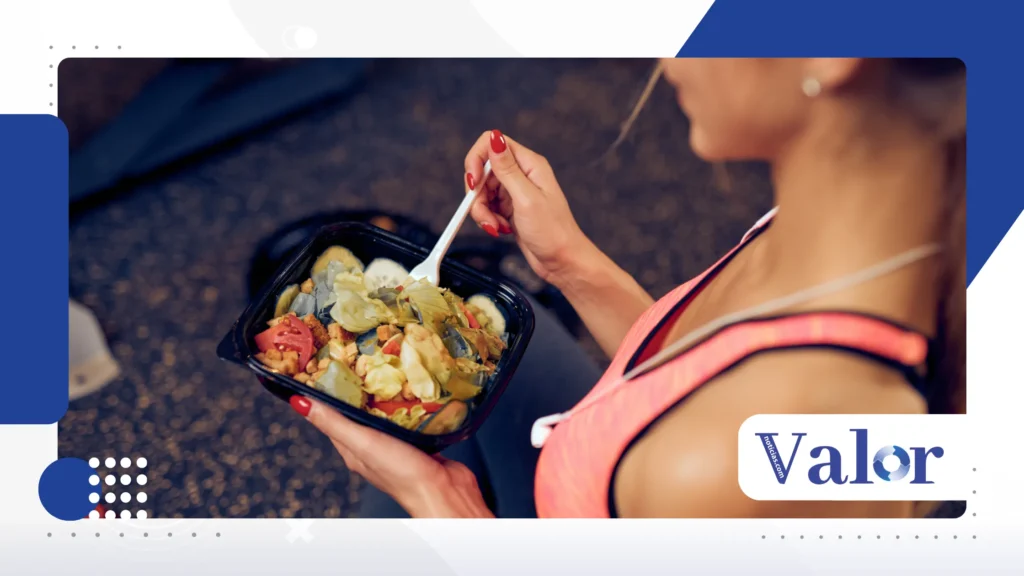
Bringing a packed lunch to work is the best way to save money and is the first great strategy. Preparing your own food at home costs infinitely less than going to a restaurant.
Consider the logic of scale: cooking larger portions on Sunday or evening optimizes time and ingredients. Freezing these portions ensures healthy, ready-to-eat meals for the whole week.
Another smart alternative is the "Strategic Lunchbox" for shorter days. Bring only the main dish, like rice and beans, and buy a simple salad on site.
This tactic reduces the cost of a restaurant meal by half or more. You save money and maintain a more balanced diet, free from excess.
Also consider the power of homemade snacks to reduce secondary expenses. Daily snacks and coffee purchases add up to surprisingly low prices.
Always have fruit, nuts or sandwiches Take home-prepared snacks in your bag. Avoiding the cafeteria or bakery at work for snacks will make a real difference at the end of the month.
For example, if you spend R$ 8 per day on a coffee and cheese bread, you will save more than R$ 160 per month by bringing snacks from home (considering 20 working days).
Still thinking about how to improve your control of spending on eating out, how about getting together with colleagues?
Taking turns cooking dishes or ordering in groups at a discount is very advantageous.
Many restaurants and apps delivery They offer special pricing for large orders. Negotiating shipping or a small discount on the total price can be a great deal.
+ Financial Spreadsheet: How to Create and Use One to Control Your Expenses
How to choose restaurants and delivery orders to maximize savings?
When dining out, choose restaurants wisely, prioritizing value for money. Avoid restaurants located in tourist areas or expensive business hubs, as high rents are passed on to the final price.
Look for restaurants that offer meals by weight or traditional "prato feito" (PF), as they offer the most affordable options. PF, in particular, usually has a fixed price, eliminating surprises on the bill.
If you opt for self-service, use a control tactic: look at all the options before serving yourself. Mentally define your dish to avoid impulses and overeating that can affect the final price.
Another crucial point is to avoid sugary drinks and desserts at restaurants. The profit margins on these items are extremely high, and they significantly increase the price of the meal.
Order house water or unsweetened natural juice, if possible, and save the dessert for later. Buying something sweet at a local bakery or bringing some fruit from home is much cheaper.
For orders via delivery, use the coupons and loyalty programs offered in the apps. The price difference between ordering with and without a coupon is often striking.
Compare prices of the same dish in different platforms of delivery before finalizing. Don't stick to a single app; competition benefits your wallet.
Consider Table 1, which demonstrates the potential savings by opting for cheaper food alternatives.
| Meal Type | Average Daily Cost (Est.) | Monthly Cost (20 business days) | Potential Savings/Month |
| A La Carte Restaurant | R$ 62.00 | R$ 1,240.00 | – |
| Restaurant by the kilo | R$ 35.00 | R$ 700.00 | R$ 540.00 |
| Homemade Lunch Box | R$ 10.00 | R$ 200.00 | R$ 1,040.00 |
Estimates based on average price surveys, subject to regional variations.
The numbers show unequivocally that the best control of spending on eating out comes from the lunchbox.
How does technology help control spending on eating out?
Use financial management apps to categorize and monitor your spending. Digital tools provide a visual and immediate way to show you where your money is going.
Set up budget alerts for the "eating out" category. The on-screen alert prevents you from spending impulsively before your limit is reached.
Also explore the features of discount coupon and group sale apps. Sites like Peixe Urbano or Cuponeria continue to be helpful in finding deals.
Many food apps offer subscription plans that reduce the delivery fee or the final price. Consider whether the monthly fee is worth the frequency of your orders.
Alternatively, use technology to discover quick and easy lunchbox recipes. There are countless YouTube channels and blogs that teach you how to make "Marmita Fit" with ease and flavor.
The internet is a rich source of information on how to optimize meal prep. You'll find tips on how to cook for the entire week in just a few hours.
Why is it important to maintain consistency in controlling expenses?
Consistency is key to turning occasional savings into wealth accumulation. There's no point in saving for a week and then returning to your old, expensive habits.
It's a process of behavioral reeducation that requires discipline and self-patience. Mistakes happen, but the important thing is to regain control the next day.
Set small, measurable goals, celebrating each achievement, no matter how small. This reinforces the positive habit and keeps your motivation high.
Remember your bigger "why": what will the money you save enable? Travel, pay off debt, or start a dream course?
By maintaining constancy in the control of spending on eating out, you create a solid financial foundation. You direct your money toward what really matters in your life.
How to handle social invitations without breaking the bank?
Socializing doesn't have to mean losing control of your finances—quite the opposite. You can have fun and eat well without compromising your savings goals.
Suggest affordable yet equally enjoyable plans for friends and family. A picnic in the park or a themed dinner at home where everyone brings a dish are great ideas.
If going out to a restaurant is unavoidable, adopt a "smart budget." Suggest places with more affordable prices or avoid the cover charge and expensive appetizers.
Order a dish to share with a companion, reducing the cost per person. Sharing a meal lowers the final cost and also controls portion size.
Practical example 2: Instead of going to the pub every Friday spending R$ 80 with drinks, start celebrating "Homemade Pizza Friday" with your friends. With R$ 40, you can buy ingredients for a delicious gourmet pizza.
This change in routine not only saves money but also provides moments of greater intimacy. Fun isn't about the place, but about companionship and creativity.
Be transparent about your financial goals with those closest to you. True friends will understand and even join you in your more economical endeavors.
Conclusion: The Freedom of a Balanced Budget
Resume the control of spending on eating out is an act of financial empowerment. It means taking control of an expense that has been silently undermining your budget.
The practical alternatives presented aren't restrictions, but rather tools for your freedom. You have the power to decide where every dollar will be invested.
With the right strategy, your daily spending pot becomes a valuable piggy bank. You eat well, live well, and, most importantly, achieve your financial goals.
What's the first step you'll take today to start actively saving? Now is the time to turn intention into concrete, sustainable action.
Frequently Asked Questions about Expense Control
What is the food service in Brazil and why did it grow so much?
Foodservice is the food service sector outside the home, including restaurants, snack bars and deliveries. Its growth reflects the changing habits of Brazilians, who seek convenience and less time in the kitchen.
What is the main advantage of bringing a lunch box to work?
The main advantage is significant financial savings, but also nutritional control. You know exactly what you're eating, avoiding less healthy ingredients and excess sodium.
It is possible to save with delivery without stopping to order food?
Yes, it's entirely possible. Focus on using coupons and loyalty programs, and compare prices across different apps. Also, opt for more economical orders, like the dish of the day.
How can I calculate how much I save with my lunch box?
Calculate the average price you would spend eating out daily and subtract it from the actual cost of your lunch box. Multiply the result by the number of business days in the month, and you'll have your monthly savings.
Should I stop going to restaurants altogether to save money?
You don't have to stop going to restaurants. The key is to reduce your frequency and choose places that fit your new budget. Balance is key to sustainability. control of spending on eating out.
