
Credit card downgrade: why banks reduce your card category, how to avoid it, and when to accept it.

Dealing with a credit card downgrade It can be frustrating, especially if you fought hard to acquire exclusive variants like Black or Infinite.
Advertisements
This change directly impacts your access to benefits and limits.
Many Brazilian consumers are surprised by this unwanted notification, raising doubts about the maintenance of their financial status.
Understanding the banks' criteria is the first step in reversing or accepting this situation.
The credit market in 2025 is more rigorous, using artificial intelligence to monitor consumption patterns in real time.
Financial institutions seek profitability and cut costs where the client does not generate a return.
In this article, we will explore this banking dynamic in depth, offering strategies to protect your high-income credit cards. You will learn how to negotiate with managers and understand when downgrading your credit card category is smart.
Summary:
- What is a downgrade and how does it work?
- Reasons for banks downgrading customer categories.
- Warning signs before relegation
- Strategies to avoid losing your card.
- When to request a voluntary downgrade
- Comparative table: Maintain vs. Demote
- Consumer rights and practical actions
- FAQ
What exactly is a credit card downgrade?
A downgrade occurs when the financial institution changes your card variant to a lower category than your current one. This means going from a Black card to a Platinum card, or from Platinum to Gold.
This change results in the immediate loss of benefits linked to the card brand and issuing bank. You may lose access to VIP lounges, travel insurance, extended warranties, and boosted points in loyalty programs.
There are two main ways this can happen: either by the customer's own initiative or by a unilateral decision of the bank. The second option is the one that generates the most discomfort and complaints through customer service channels.
Banks perform this adjustment to align the customer's profile with the product they actually use. If the high-income card is not fully utilized, it becomes a cost for the issuer.
It is crucial to understand that a credit card is a borrowed product, not a lifelong acquired right.
The rules for granting credit may change according to the financial institution's internal credit policy.
+ Credit cards with access to VIP lounges: Which ones offer the best value for money?
Why are banks downgrading your card category in 2025?
The current economic landscape demands that banks optimize their customer portfolios to maintain financial health. By 2025, credit analysis will go far beyond simply having a "clean name" (no outstanding debts).
Inactivity is the main reason for the cancellation or downgrading of high-income credit cards. A Black card sitting idle in a wallet generates maintenance costs for the issuing bank (Visa, Mastercard).
Another frequent reason is a drastic reduction in the account holder's average monthly expenses. If their declared income no longer matches their monthly bill, the bank's algorithm suggests an automatic downgrade.
The increased credit risk, detected by delays in other financial products, also triggers a downgrade. Open Finance allows your bank to see if you are indebted to other competing institutions.
Changes to the bank's loyalty program rules can also force this mass reclassification. Sometimes, the bank discontinues a specific product and migrates its customer base to a lower category.
What are the warning signs before an involuntary downgrade?
Banks rarely cut benefits without leaving prior clues about their dissatisfaction with the client's profile. Paying attention to subtle communications can save your benefits before the decision becomes irreversible.
The first sign is an unsolicited reduction in your available credit limit for cash purchases. When the limit drops, the card category is usually the next to be affected.
Receiving persistent offers to "exchange your card with no annual fee" for simpler models is another indication. The bank is trying to voluntarily migrate you to a product with lower operating costs and risk.
The lack of an annual fee waiver, which was previously granted easily, demonstrates that you are no longer a strategic client. If the manager makes it difficult to negotiate the fee, your internal score may have dropped.
Notifications regarding "registration updates" requesting new proof of income also indicate an ongoing credit re-evaluation.
Ignoring these requests may accelerate the downgrade process due to data non-compliance.
How can you avoid an involuntary downgrade by your financial institution?
Being proactive is your best defense for maintaining higher-tier cards like Visa Infinite or Mastercard Black. You need to prove to the bank that you are an active, profitable, and low-risk customer.
Focus your main spending on the card you want to protect, avoiding spreading your spending across many different cards. A high volume of monthly transactions justifies maintaining the benefits and premium status.
Keep your income information up-to-date within the app or with your account manager. The consistency between your declared income and your expenses is vital for credit analysis.
Utilize other bank products, such as investments, insurance, or salary portability, to strengthen your relationship.
Globalized clients, who consume various services from the institution, have much greater protection against automatic disconnections.
Avoid at all costs making only the minimum payment on your bill or recurring late payments, even if they are only a few days late. Payment behavior is the strongest pillar of your internal credit score (rating).
To better understand how your score influences these decisions, it's worth consulting your [resource/tool/etc.]. Credit Score at Serasa Regularly monitoring your CPF (Brazilian taxpayer ID) helps anticipate bank movements based on your market history.
When is requesting a downgrade financially worthwhile?
Maintaining a high-end credit card isn't always the smartest decision for your wallet. There are times when the status costs more than the actual benefits it provides.
Requesting a downgrade is recommended when the card's annual fee is a burden on your budget and negotiations have failed. Paying R$ 1,200.00 per year without using VIP lounges or travel insurance is an unnecessary expense.
If your lifestyle has changed and your monthly expenses have decreased, accumulating miles may no longer be a priority. Mid-range cards, such as Gold or Platinum, often offer cashback that exceeds the value of the miles.
Another common scenario is the shift in investment strategy to brokerages that don't require a bank account. Without investments in a bank, waiving the annual fee becomes difficult, justifying the switch to a free credit card.
Financial simplicity is also a valid argument for those who want to reduce the number of bills they have to manage. Having a reliable card with a good limit and no fees brings peace of mind and organization.
+ How to Use a Credit Card to Organize Your Finances (Without Getting into Debt)
Real Comparison: Cost vs. Benefit of Maintaining Category
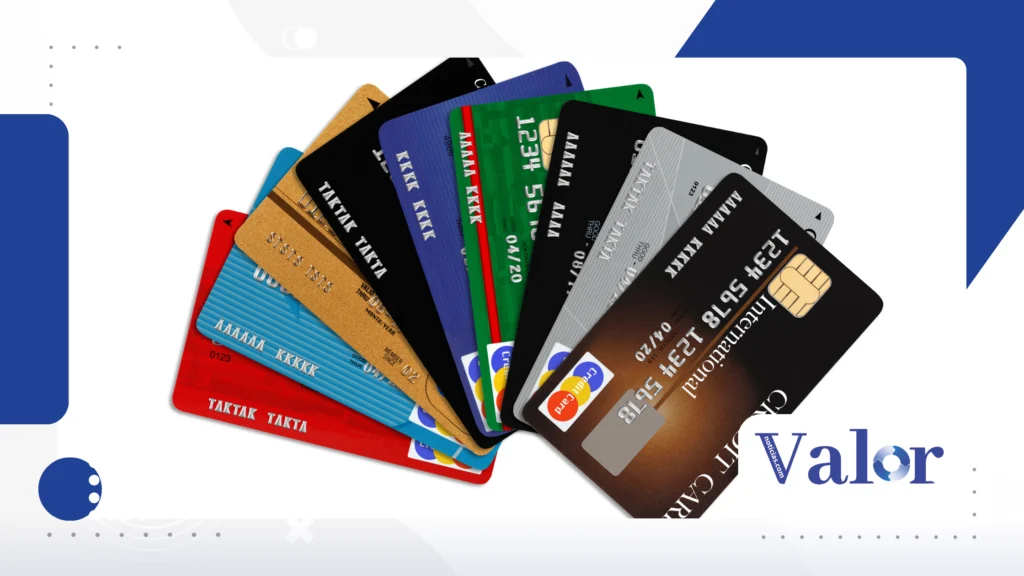
Analyzing the numbers objectively helps in making a rational decision about whether to keep or downgrade your card. See below for an average market comparison for 2025 among popular categories.
| Feature | High-Income Card (Black/Infinite) | Intermediate Card (Gold/Platinum) |
| Average Annual Fee | R$ 1,000.00 to R$ 1,500.00 | Free R$ 450.00 |
| Access to the VIP Lounge | Unlimited or annual memberships (LoungeKey) | It usually doesn't have it (or you pay for it separately). |
| Points/Miles | 2.0 to 3.0 points per dollar | 1.0 to 1.5 points per dollar |
| Annual Fee Exemption | Monthly spending above R$ 8k-10k | Monthly spending above R$ 2k-4k |
| Travel Insurance | Robust and global coverage | Basic or non-existent coverage |
This table demonstrates that the Black card only pays for itself if the travel benefits are actually used. For those who don't travel internationally, the cost of maintaining the higher category rarely compensates for the return in points.
What should you do if your bank downgrades your category without prior notice?
The Consumer Protection Code (CDC) protects the customer against unilateral contractual changes that cause harm without notification. The bank must provide at least 30 days' notice of the downgrade.
If you are surprised by this, contact Customer Service immediately. Request a recording of the call and a detailed technical explanation for the change in your card category.
If the explanation is not satisfactory or prior notice was not given, file a complaint with the Ombudsman. The Ombudsman has greater autonomy to reverse automatic system decisions and restore your previous status.
If the problem persists, the next step is to file a complaint on the Central Bank's website (Bacen) or on Consumidor.gov.br. These platforms have a high resolution rate, as they impact the institution's quality rating.
Remember to check if the downgrade affected installment purchases or recurring subscriptions registered to the old card. The card number often changes, requiring manual updating on all streaming services and apps.
For more information about your banking rights and how to file complaints, please consult the official website of [the relevant authority/organization]. Consumidor.gov.brThere you will find tools to mediate conflicts directly with financial institutions.
Conclusion
To face a credit card downgrade It requires a cool head to analyze whether the change is a setback or an opportunity. In 2025, financial intelligence is worth more than the status of a black plastic card in your wallet.
If the card is essential to your travel and miles strategy, fight for it by focusing your spending and building a strong relationship with the bank. Demonstrate to the bank that you are a valuable partner and that you utilize the resources offered.
On the other hand, don't be afraid to take a step back if the costs outweigh the real benefits. A Platinum card with no annual fee can be much more efficient for your finances than an expensive Black card.
The financial market is dynamic, and new credit opportunities constantly arise for those who maintain a clean credit history. Assess your current situation, negotiate firmly, and choose the product that best suits your goals.
Frequently Asked Questions (FAQ)
Does downgrading my credit card affect my credit score?
Not directly, as the card category is not publicly available information in credit bureaus. However, if the downgrade is accompanied by a sharp reduction in the total credit limit, your score may fluctuate temporarily.
Can I revert to my previous category after a downgrade?
Yes, it's possible to upgrade again, but you'll undergo a new credit check. Banks generally require a waiting period (around 6 months) and updated proof of income.
Can the bank lower my credit limit along with the category?
Yes, it's common practice to adjust the limit to the ceiling of the new, lower category. The bank must communicate this limit reduction in advance, according to Central Bank regulations for credit.
What happens to my accumulated points and miles?
In most cases, points are automatically transferred to the new card from the same institution. However, check the terms and conditions, as some programs may have different validity periods or conversion rules for lower tiers.
Is it better to cancel the card or accept the downgrade?
If your old card had a high annual fee and the new one is free, downgrading is better to preserve your account tenure. Your relationship history with the bank is valuable for future loan approvals.
