
Healthy financial habits strengthen financial security.
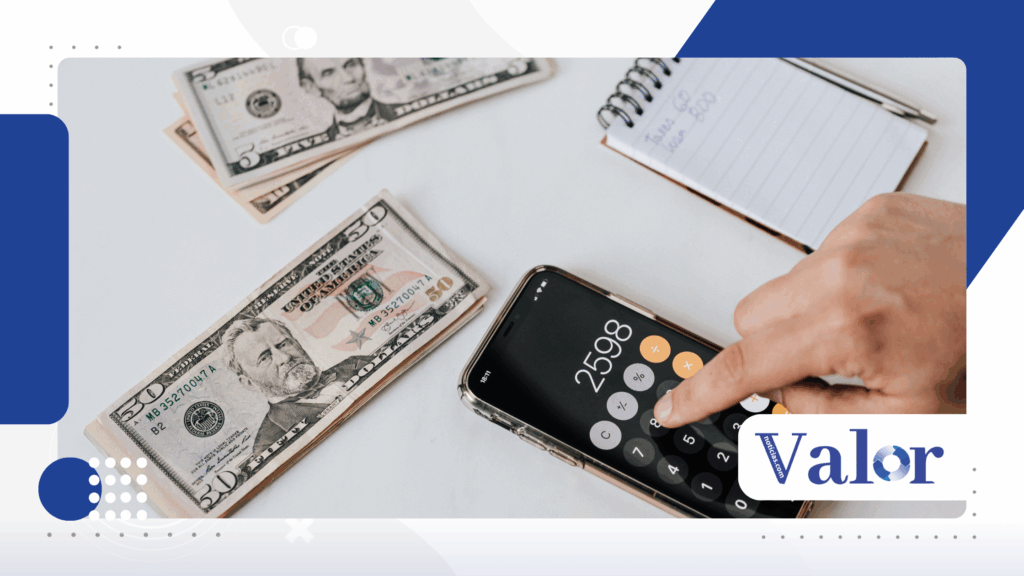
To develop healthy financial habits It is the fundamental basis for those seeking stability in 2026, a year marked by high volatility in global markets and new digital technologies.
Advertisements
The journey to economic freedom requires discipline, technical knowledge, and a profound behavioral shift in how we handle immediate consumption and long-term investments.
In this comprehensive guide, we will explore practical strategies to optimize your wealth, protect your assets against inflation, and build a solid future, based on pillars of responsibility and emotional intelligence.
Summary
- The importance of financial security today
- How to organize your household budget accurately.
- What is the role of an emergency fund in family protection?
- What are the most resilient investments for 2026?
- Where to cut expenses without compromising quality of life.
- FAQ: Frequently Asked Questions about Finance
How do healthy financial habits impact your mental health?
The connection between money and psychological well-being has never been more evident than in the present day, where financial stress is one of the main causes of chronic anxiety.
Having control over cash flow reduces emotional pressure, allowing decisions to be made rationally and avoiding the vicious cycle of impulsive debt.
When you prioritize healthy financial habitsIt creates a protective barrier against unforeseen events, generating an immediate sense of autonomy and greater confidence to plan ambitious projects.
Investing in financial self-awareness allows you to identify spending triggers that drain your income, transforming your relationship with money from a source of worry into an instrument of freedom.
Financial security isn't just about accumulating numbers in a bank account, but about having the peace of mind to focus on what really matters in life.
What is the best strategy for structuring an annual plan?
Effective planning begins with rigorously tracking every penny, using modern automation tools that categorize expenses in real time for accurate visual analysis.
The 50-30-20 method remains a solid benchmark, allocating half of income to basic needs, thirty percent to personal desires, and twenty percent to building wealth.
By 2026, personalizing this model is vital, adjusting the percentages according to the local cost of living and the specific goals of each stage of the individual journey.
Maintain consistency in applying these healthy financial habits It ensures that your assets grow through compound interest, taking advantage of the power of interest over the months.
It is essential to review the goals quarterly, correcting course in the face of macroeconomic changes or alterations in family income, while maintaining absolute focus on the established long-term vision.
Where should you invest your emergency fund to ensure liquidity and profitability?
The emergency fund should be allocated to low-risk, highly liquid assets, allowing for immediate withdrawal in critical situations such as loss of income or health problems.
Treasury Selic bonds and daily liquidity CDBs from resilient banks are the most recommended options, offering protection against inflation while keeping capital always available for use.
Avoid keeping this amount in interest-free checking accounts or volatile assets, as volatility can erode its value precisely when you need it most.
The main objective here is not profit maximization, but rather ensuring that the money will be there, preserving its... healthy financial habits even in crises.
Experts suggest that this fund should cover between six and twelve months of fixed expenses, providing a comfortable margin for any career transition or domestic emergency.
+ Digital extra income gains traction among Brazilians in 2026.
What are the inflation and income metrics for 2026?
Understanding economic indicators is crucial to protecting purchasing power and ensuring that your investments outperform the currency devaluation caused by the current macroeconomic scenario.
Below, we present a table with consolidated data based on the most recent market reports for the 2026 scenario, to assist in your strategic decision-making.
| Economic Indicator | Annual Projection (%) | Impact on the Budget | Recommended Strategy |
| Inflation (IPCA) | 4.2% | Increase in fixed costs | Review annual contracts |
| Selic rate | 9.5% | Fixed Income Yield | Maintain allocation in post-fixed investments. |
| GDP growth | 2.1% | Opportunity in Variable Income | Diversification in solid stocks |
| Exchange rate (Dollar) | R$ 5.15 | Cost of travel and electronics | Currency hedge for protection |
Why is asset diversification essential for security?
Concentrating all capital in a single sector or type of investment is a technical error that can compromise decades of effort in the event of unexpected sectoral collapses.
A resilient portfolio should include exposure to diverse markets, such as government bonds, dividend-paying company stocks, real estate investment trusts (REITs), and even a portion in global assets.
By adopting healthy financial habitsThe investor learns to balance risk and return, understanding that diversification reduces portfolio volatility without sacrificing real earning potential.
Periodic rebalancing is the technique that keeps the strategy aligned with the risk profile, selling assets that have appreciated too much and buying those that are attractively priced.
Studying official reports, such as the Central Bank Focus ReportIt provides the necessary database to adjust your expectations and moves in the financial market.
How can you avoid "lifestyle creep" when increasing your income?
Lifestyle inflation occurs when expenses rise proportionally to increases in earnings, preventing individuals from accumulating wealth despite receiving ever-increasing salaries.
Combating this trend requires awareness and a commitment to maintaining a stable standard of living for a period of time, directing any surplus directly towards long-term investments.
Celebrating professional achievements is important, but true financial victory lies in the ability to transform salary increases into assets that generate passive income for the future.
Cultivate healthy financial habits It means understanding that wealth is what you don't see: it's the cars you haven't bought and the luxury trips you've postponed in favor of freedom.
Set a spending limit for your leisure time and stick to it, ensuring that career advancement translates into real security and not just social appearances.
++ Most sought-after investments by Brazilians in 2026
What technologies help in modern asset management?
The use of artificial intelligence applied to personal finance allows for more accurate spending forecasts and the automatic identification of subscriptions and services that are not being used.
Integrated management applications connect bank accounts and brokerage firms, offering a consolidated dashboard that makes it easy to view total net worth with just a few clicks on your mobile phone.
Digital security is also part of the necessary precautions, requiring strong passwords, two-factor authentication, and the use of private networks to conduct sensitive financial transactions.
Integrating these tools into your daily routine reinforces the healthy financial habits, transforming accounting organization into a fluid, fast, and extremely efficient process for the modern user.
Automating monthly deposits directly from your checking account to your brokerage account eliminates procrastination and ensures that "paying yourself first" is a rule that is flawlessly executed every month.
When should you seek professional help to manage your assets?
While self-education is valuable, there are times when the complexity of wealth management requires the advice of certified financial planners or duly registered investment advisors.
If you have multiple income sources, assets abroad, or complex estate planning issues, technical support can prevent costly tax errors and optimize the net profitability of your portfolio.
Qualified professionals help to decouple the emotional side of investment decisions, maintaining the technical strategy even during periods of euphoria or panic in global financial markets.
Seeking expert guidance is a sign of maturity and one of the healthy financial habits Smarter options for those who have already reached a considerable level of wealth and are seeking protection.
Always verify the professional's credentials and ensure there is no conflict of interest in product recommendations, prioritizing transparency and alignment of goals.
+ The emotional impact of being in debt and how it affects your financial decisions.
Conclusion
Building a successful career in finance doesn't depend on magic formulas or luck, but on the persistent application of validated methods and maintaining a consistently analytical approach.
When implementing healthy financial habitsBy doing so, you take ownership of your financial life, ensuring that your money works towards your goals, not the other way around, in a sustainable cycle.
Financial security is the result of small daily decisions that, added up over time, create an unshakeable foundation for you and your family to face any economic scenario.
The future belongs to those who prepare today, transforming discipline into freedom and organization into the power of choice in an increasingly competitive and dynamic world.
FAQ: Frequently Asked Questions about Finance
1. How much should I save per month to have security? It is recommended to save at least 20% of net income, but the ideal amount depends on your goals and the time available to accumulate the capital needed for independence.
2. What is the most common mistake people make when starting to invest? The main mistake is seeking unrealistic returns on high-risk assets without first building a solid emergency fund and understanding the basic workings of compound interest.
3. Is it possible to invest with little money in 2026? Yes, several platforms allow investments starting from small amounts in government bonds and index funds, democratizing access to the financial market for all profiles.
4. How does inflation affect my long-term investments? Inflation reduces purchasing power; therefore, it is essential to choose assets that offer real returns, that is, gains above the country's official price index.
