
Does the installment amount really fit within your budget?

Find out if the Does the installment amount really fit within your budget? It requires looking at the statement without illusions before signing any long-term credit agreement.
Advertisements
Understanding your true ability to pay prevents the over-indebtedness that suffocates families. This guide provides a technical filter to protect your finances from invisible traps.
Learn now how to calculate your true margin, apply the thirty percent ceiling, and plan installments without sabotaging your financial stability in 2006.
What is the financial safety margin?
The safety margin is the portion of your savings that remains after covering fixed and variable expenses, as well as the necessary contributions for your future.
Controlling this metric ensures that life's inevitable unforeseen events don't disrupt your routine. It acts as a buffer against everyday financial shocks.
Experts suggest keeping ten percent of net income completely free. There's something unsettling about seeing people operating on the edge, exposed to interest rate fluctuations.
Ignoring this leeway turns any economic fluctuation into immediate default. Preventive planning is what separates conscious consumption from financial desperation.
How do you calculate your actual net income?
Net income is the money that actually goes into the account after mandatory deductions for income tax and social security contributions from the payroll.
Many people make the classic mistake of drawing up a budget based on gross salary. This accounting illusion artificially inflates purchasing power that doesn't exist.
Also consider small discounts for benefits, such as health insurance co-payments and meal vouchers. The final amount available is usually much less than you might expect.
For freelancers, the calculation requires separating business revenue from owner's draw (pro-labore). Mixing personal and business finances completely masks the reality of your cash flow.
What is the importance of the 30% rule in installment payments?
The traditional rule dictates that the total of monthly payments should never exceed one-third of your proven net income.
Adhering to this spending limit protects the resources essential for your livelihood and housing. The limit seeks a balance between current consumption and future security.
Banks and fintech companies use this indicator to analyze risk before granting credit. Exceeding this threshold drastically reduces your market score.
Add up all active payments, such as credit card bills and old payment slips. The accumulation of small monthly payments silently sabotages household budgeting.
With this, it becomes clear when the Does the installment amount really fit within your budget? without stifling other vital areas of your journey.
++ Why are some banks lending less even with a booming economy?
What hidden expenses come with a new installment?
Buying property involves extra costs that go far beyond the advertised installment. Real estate and auto financing include mandatory insurance and hidden fees.
Acquiring a vehicle generates immediate expenses such as vehicle tax, insurance, and maintenance. Ignoring these additional factors will ruin any family financial plan.
In the case of real estate, high notary fees, property transfer tax (ITBI), and development fees arise. These charges often catch unsuspecting buyers by surprise at the end.
Even electronics require expenses for energy, subscriptions, or additional accessories. Calculate the total cost of ownership before making a commitment.
How does Desenrola Brasil affect your planning for 2026?
The federal program continues to shape access to responsible credit in the national market. The new guidelines promote renegotiations with easier payment terms.
The government has established strict criteria for granting new loans to those with negative credit histories. The current priority is the sustainable repayment of previous debts.
Understanding these rules helps to assess whether the macroeconomic scenario favors credit. Official portals offer free simulators to assist consumers.
To view the updated rules regarding renegotiations and current limits, please visit the page on Ministry of Financewhich details the guarantees.
Table of Impact of Installments on the Practical Budget
Below, we present a simulation based on the income commitment guidelines recommended by the Central Bank to maintain good financial health.
| Net Monthly Income | Maximum Limit (30%) | Alert Zone (20%) | Ideal Safety Margin |
|---|---|---|---|
| R$ 3,000.00 | R$ 900.00 | R$ 600.00 | R$ 300.00 |
| R$ 5,000.00 | R$ 1,500.00 | R$ 1,000.00 | R$ 500.00 |
| R$ 8,000.00 | R$ 2,400.00 | R$ 1,600.00 | R$ 800.00 |
| R$ 10,000.00 | R$ 3,000.00 | R$ 2,000.00 | R$ 1,000.00 |
How to take a personal financial stress test?
The stress test involves simulating the monthly payment before signing the contract. Save the payment amount in a savings account.
Run this simulation for three consecutive months to feel the real impact. This practical exercise reveals whether the lack of money will cause hardship.
If you got through this period without experiencing financial hardship or using your overdraft, then the loan is viable. Otherwise, abandon the deal immediately.
The strategy helps create an opportunity reserve while you decide. The habit of saving replaces the impulse to pay for everything in installments.
Ensuring this test validates whether the Does the installment amount really fit within your budget? without causing anxiety or sleepless nights.
++ Fintech Loans vs. Traditional Banks: Terms, Costs, and Security
When is it worthwhile to opt for interest-free installment payments?
Interest-free installments are advantageous when the cash price doesn't offer a real discount. If the value is identical, spreading the payment over the term protects cash flow.
Keep the money corresponding to the total value earning interest in a daily liquidity investment. This arbitrage generates small gains on capital.
Avoid accumulating dozens of installment purchases, even those without nominal interest. The sum of these small fractions silently eats away at entire salaries.
Discipline must be strict to avoid losing control of payments. Delays generate revolving interest that negates any initial advantage.
What are the risks of revolving credit and overdraft facilities?
Using your overdraft limit or paying only the minimum amount on your credit card is the most expensive mistake. The fees for these methods are exorbitant.
These resources exist strictly for extreme emergencies lasting a few days. Treating these tools as an extension of your salary quickly destroys your assets.
The snowball effect transforms small debts into unpayable amounts. Defaulting on payments restricts your credit score and blocks future financing opportunities.
If you realize you won't be able to meet your obligations, consider transferring your loan. Swap an expensive line of credit for cheaper options.
How to create an emergency fund before buying in installments?
An emergency fund should cover three to six months of your living expenses. This amount provides the necessary peace of mind against job losses.
Taking on long-term payments without that financial cushion is a high structural risk. Any basic unforeseen event will force you to seek very expensive loans.
Build your savings gradually by setting aside a portion of your earnings each month. Consider this deposit as the most important commitment of your month.
Use zero-fee DI funds or Treasury Selic bonds for this purpose. Immediate liquidity and security are essential for quick redemptions.
With a solid reserve, you confirm that the Does the installment amount really fit within your budget? long term.
How can I negotiate lower interest rates at the bank?
Negotiating interest rates requires technical preparation and knowledge of your profile. Request your detailed report from the Central Bank's Registrato system.
Present offers from competing institutions to pressure your bank to match the bid. Competition between banks and fintechs benefits the customer.
Customers with a good track record and investments in the institution have greater bargaining power. Use their loyalty to reduce the Total Effective Cost.
Pay close attention to the CET (Total Effective Cost), which reflects the actual sum of charges in the contract. Low interest rates sometimes hide abusive operational fees.
What tools help to monitor monthly expenses?
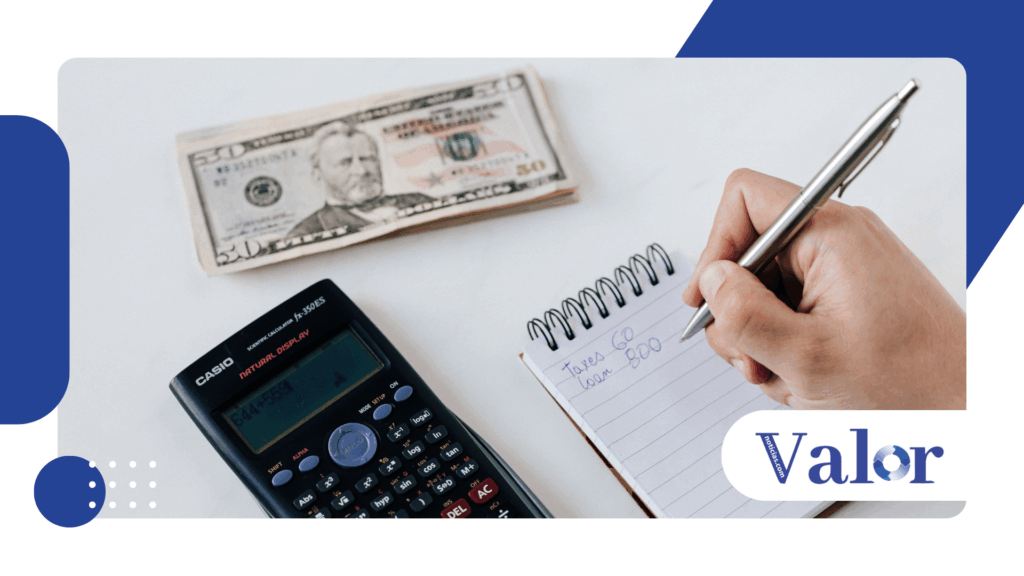
Spreadsheets offer complete control for those who prefer to analyze detailed data. Management applications perform bank synchronization in a practical way.
Regardless of the method, daily expense tracking is an essential step. Small, invisible expenses are often the biggest culprits in budget problems.
Categorize your costs into essentials, discretionary expenses, investments, and debts. Visual charts make it easier to identify bottlenecks where money is disappearing.
Review your plan weekly to correct any discrepancies before the end of the month. Constant monitoring transforms your relationship with your finances.
How can I plan high-value purchases consciously?
Large acquisitions require months of market research and dedicated strategy. Monitor historical pricing to avoid false seasonal promotions.
Set clear savings goals to accumulate the largest possible down payment. A substantial down payment drastically reduces mortgage payments and interest.
Evaluate the impact of the item on your lifestyle rationally. Ask yourself if the need is real or a commercial impulse.
Postponing the purchase for a few weeks helps to cool down the emotional urgency. Conscious consumption prioritizes stability over desires.
++ Home Loans in the USA: A Complete Guide to Buying Your Home Safely
Conclusion
Maintaining balance requires constant discipline, risk analysis, and a refusal to act on impulse. Assessing your capabilities protects your quality of life.
Use the tools available, respect safety limits, and monitor your fixed costs. Freedom is born from planned daily choices.
To deepen your knowledge about protection, fees, and quality financial education, visit the official website of... Central Bank of Brazil.
FAQ – Frequently Asked Questions
What is the ideal percentage of income to commit to installments?
Experts recommend never exceeding thirty percent of your net income when considering all active loan payments combined.
How do you calculate the Total Effective Cost (TEC) of a loan?
The CET (Total Effective Cost) must be disclosed by the institution before signing, encompassing the interest rate, insurance, IOF (Tax on Financial Operations), and other contractual fees.
Is it better to pay in cash or to pay in installments with no interest on the card?
If the store offers a genuine discount for cash payment, choose that option. If the price is the same, pay in installments and keep your money growing.
What to do if accumulated installments exceed your budget?
Immediately contact the lending institution to renegotiate the payment terms or transfer the debt to a cheaper bank.
How does an emergency fund help when paying in installments?
The reserve ensures that, in the event of unforeseen circumstances, you can continue to honor your commitments, avoiding default and high interest rates on your CPF (Brazilian individual taxpayer registration number).
