
Forgotten subscriptions: how much money might be slipping through your fingers?
Managing small monthly automatic debits has become one of the biggest financial challenges of the contemporary digital economy for millions of consumers.
Advertisements
To the forgotten signatures These represent silent leaks in the household budget, accumulating recurring charges for digital services, apps, and platforms that you no longer use daily.
Understanding the real impact of this invisible drain is the first step to regaining complete control of your money and optimizing your personal finances in a practical way.
This book is structured to guide you through a complete audit of your recurring expenses, presenting concrete data, tracking methods, and effective cancellation strategies.
Throughout this guide, you will discover how to identify hidden contracts, use consumer financial protection tools, and efficiently restructure your banking routine.
Below is a detailed breakdown of the topics we will cover throughout this special article.
Table of Contents
- The financial impact of hidden recurring charges in the budget.
- What types of services generate the most hidden charges?
- How to identify and map automatic payments in your bank account?
- What tools and apps help to cancel unwanted charges?
- What does the Consumer Protection Code say about automatic renewals?
- How can you organize your bills to avoid further monthly expenses?
- Frequently Asked Questions (FAQ)
- Conclusion
The financial impact of hidden recurring charges in the budget.
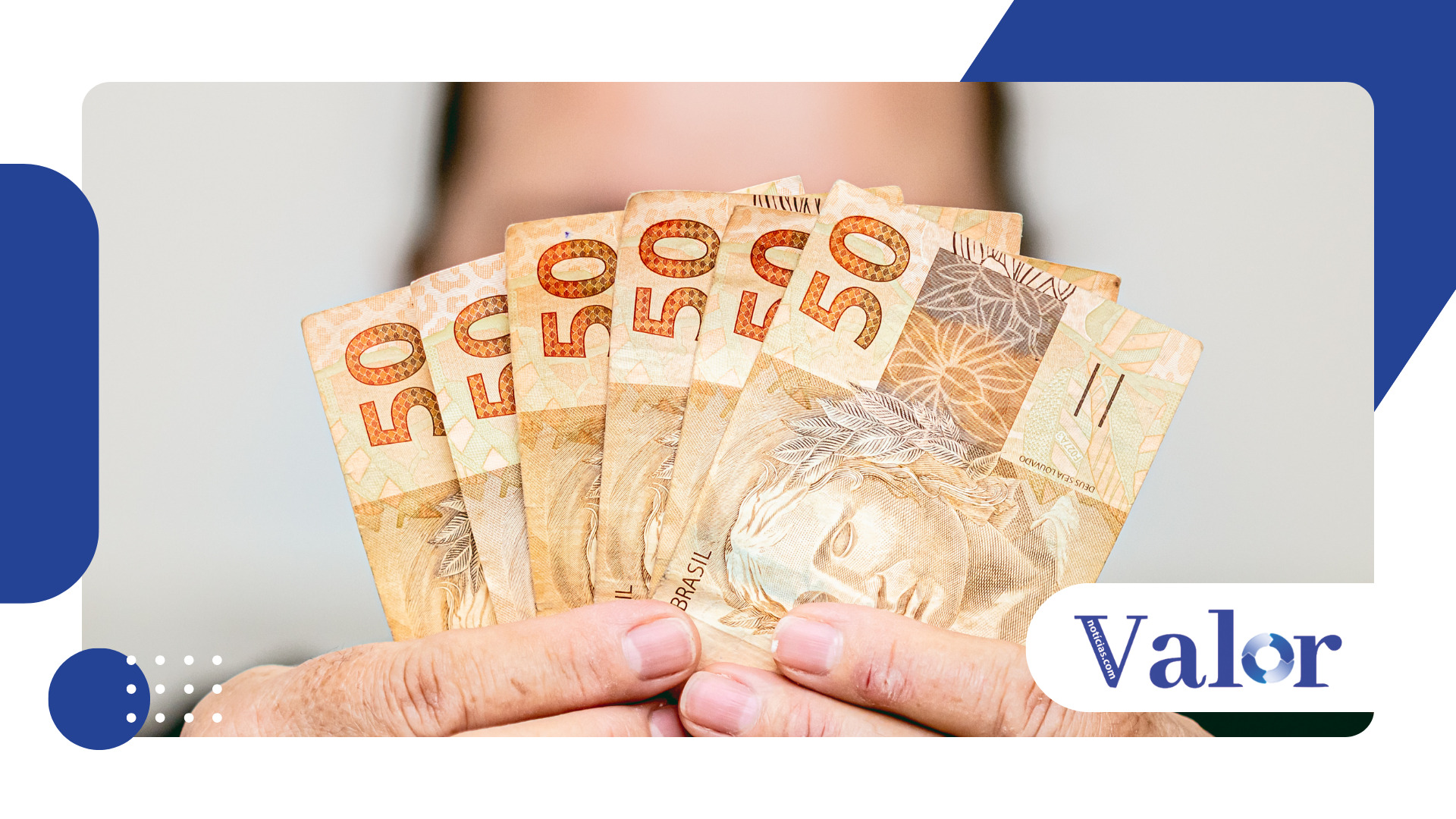
Ten or twenty reais on the bill may seem harmless. There's a psychological trap designed precisely for this: the recurring revenue model doesn't thrive on customer engagement, but rather on their inertia.
When we break down the cost of living into micro-debts, the pain-payment friction simply disappears, allowing that forgotten signatures They silently drain resources that should go to your emergency fund or long-term investments.
The uncomfortable truth is that we drastically underestimate how much money we hand over to ghost services.
The transition to invisible payments has altered our perception of value, and over the course of twelve months, this continuous drain has subtracted thousands of reais without delivering any real return.
There's something deeply irritating about realizing that we work entire days just to fund digital licenses and platforms whose access passwords we don't even remember.
This dispersion of fragmented expenses destroys budgetary predictability and consumes credit margins that should guarantee its financial security.
The real danger of invisible charges lies not in the individual value of each one, but in the accumulated effect and passivity they induce.
Regularly clearing these debts isn't just a matter of saving money: it's about regaining sovereignty over one's own finances.
What types of services generate the most hidden charges?
Video and audio streaming platforms continue to top the list of budget villains simply because they encourage the fragmentation of catalogs.
We subscribe to a specific channel to watch a single series; the season ends, but the monthly charge remains active indefinitely.
The initial enthusiasm evaporates in a few days, while the debit on the card perpetuates itself as a fixed fee that we rarely notice.
Mobile productivity apps, workout routines, and photo editing represent another chronic source of financial leakage.
The mechanics are often tricky: initial registration requires only a few clicks, but canceling the service requires navigating through hidden menus and complex terms of service.
The user starts a free trial period, forgets to disable renewal before it expires, and spends months—or years—supporting outdated software.
Loyalty programs, extra cloud storage space, and digital subscriptions to media outlets complete the ecosystem for forgotten expenses.
Promotions with aggressive discounts in the first few months act as effective bait for contracts that become expensive and useless over time.
A cold, objective assessment of the usefulness of each tool is essential to eradicate the forgotten signatures and protect your purchasing power.
++ Budgeting for school expenses requires attention throughout the year.
How to identify and map automatic payments in your bank account?
The only real way to stop the bleeding is to conduct a ruthless audit of your bank statements from the last six months. Open your bank's app and examine each credit card transaction and checking account statement with surgical precision.
Pay close attention to transactions with generic names from global payment processors, which often conceal the actual service being contracted.
| Service Category | Billing Frequency | Average Monthly Cost (Estimated) | Risk of Inertia in Cancellation |
| Video/Audio Streaming | Monthly / Annual | R$ 30.00 to R$ 90.00 | High (Multiple platforms) |
| Mobile Applications (SaaS) | Monthly / Weekly | R$ 15.00 to R$ 60.00 | Very High (Free trials expired) |
| Cloud Storage | Monthly / Annual | R$ 10.00 to R$ 50.00 | Medium (Silent Renovation) |
| Subscription and Media Clubs | Monthly | R$ 40.00 to R$ 120.00 | High (Lack of continued use) |
Mapping out all your debts in a simple list brings immediate clarity to the extent of the damage to your annual budget.
When you multiply the sum of these monthly payments by twelve, the numerical impact usually generates the necessary reality check to motivate an immediate cleanup.
Visualizing this accumulated value transforms a vague feeling of waste into a practical action for revenue recovery.
Also inspect the automatic debit authorization area and the subscription panel of your mobile phone's app stores.
iOS and Android devices centralize license management in specific profile tabs, making it easier to identify active services.
++ How to create financial boundaries without turning your life into a spreadsheet.
What tools and apps help to cancel unwanted charges?
The very technology that facilitates the creation of recurring charges offers alternatives for consolidating control over your accounts.
Modern financial management applications use integrated banking data to map patterns of recurring debits and flag sudden increases in value.
This centralization saves valuable time and eliminates the need to manually check each line of the statement every month.
To understand the legal limits of renewals and the legality of certain business practices, it is worth consulting the portal of... PROCON, which details consumer rights regarding improper charges and cancellations.
Knowing the current regulations provides technical support when it comes to refuting unreasonable demands from companies that try to bureaucratize the termination of the contract.
In addition to banking platforms, smartphone operating systems have native, easily accessible management tools.
Accessing the subscriptions tab linked to your Google ID or account allows you to stop any automatic renewal with just one command.
Creating a routine of regularly auditing these dashboards prevents new monthly fees from going unnoticed and becoming a burden on your budget again.
What does the Consumer Protection Code say about automatic renewals?
Brazilian law establishes clear limits against abusive practices in the charging of fees for ongoing services and digital subscriptions.
According to the Consumer Protection Code, automatically renewing contracts without the user's prior and explicit consent constitutes an illegal practice.
The company is required to notify the customer of the expiration date and any tariff adjustments with adequate advance notice.
Another point that is often misinterpreted concerns the symmetry of customer service channels for canceling services. The procedure for canceling a subscription should be as simple, quick, and accessible as the initial contracting process.
Artificial barriers imposed by retention centers or hidden forms violate the right to choose and pave the way for administrative sanctions.
If consumers identify unauthorized charges after formally requesting cancellation, they have the right to demand a refund of double the amount paid.
Saving digital proof, such as confirmation emails, service protocols, and screenshots, is crucial for substantiating any potential disputes.
Protect yourself against forgotten signatures It means demanding that corporations respect the rules of the game and your financial freedom.
How can you organize your bills to avoid further monthly expenses?

Establishing a bi-weekly bank statement review routine prevents new leaks from going unnoticed. Setting aside a few minutes each month to review your card transactions ensures you only pay for what you actually use.
This constant monitoring transforms discipline into a natural habit, shielding your budget from undue charges due to simple lack of oversight.
Creating temporary virtual cards for registration in promotions or free trials is one of the most efficient operational tactics on the market.
By using a card with a reduced limit or a short expiration date, you block automatic charge attempts as soon as the promotional period ends.
This practical barrier forces a conscious choice before any new recurring commitment is made to your account.
Another useful strategy is to cancel automatic renewal immediately after signing up for any free trial period.
The vast majority of platforms maintain access until the end of the promotional period, even if future renewal is already disabled.
This simple measure allows you to test the tool with peace of mind without the risk of being surprised by an unwanted monthly fee.
Keep the account free of forgotten signatures It demands continuous rigor and attention to detail in day-to-day finances. Treat each small monthly expense with the same seriousness you dedicate to the major commitments in your cost structure.
True financial sustainability doesn't arise from large, isolated events, but from the daily elimination of the small leaks through which your money escapes.
++ The 100-day challenge strengthens the habit of saving money.
Frequently Asked Questions (FAQ)
How can I find out if I have any active forgotten subscriptions in my name?
The quickest way is to review your bank and credit card statements from the last three months. Additionally, check the subscriptions and payments sections in your App Store and Google Play Store settings, and in your PayPal profile.
Can the bank cancel recurring payments directly on the bill?
Yes, consumers can request to block automatic debits or suspend recurring authorizations directly with the financial institution.
However, it is also essential to formalize the cancellation with the service provider to avoid undue negative credit reporting.
Is it possible to request a refund for unused subscriptions?
If the renewal occurred automatically and without prior notice, or within the 7-day cooling-off period for online purchases, you are entitled to a full refund.
Charges made after a formal cancellation request must be refunded by the company.
What's the best strategy for testing services without forgetting to cancel?
Use reminders in your personal calendar set for two days before the end of the free trial period.
Another very efficient alternative is to cancel the automatic renewal immediately after registering on the chosen platform.
Conclusion
Stopping the bleeding of hidden expenses is the quickest way to regain room to maneuver in personal finances without having to cut essential costs.
The capital recovered from these small accumulated drains can be immediately redirected to real goals, such as investments or building a solid reserve.
Carefully reviewing your recurring expenses gives you practical control over every real that enters and leaves your account.
The digital economy was designed to facilitate passive spending, but the final decision about where your money goes remains yours.
Keep your records organized, adopt consumer protection tools, and incorporate statement auditing into your monthly routine.
To understand in detail the rules of the financial system, banking obligations, and consumer rights, access the portal of... Central Bank of Braziland keep your decisions aligned with best practices.
