
Blocking credit offers will be mandatory starting in 2027.
The Brazilian banking system rarely abandons a profitable niche without some resistance, but the surge in household loan defaults has taken its toll.
Advertisements
After years of persistent notifications popping up on cell phone screens at any time of day, the monetary authority has finally drawn a clear line to commercial harassment.
It is precisely in this scenario of saturation that the blocking credit offers It stands out not only as a technical tool, but also as a necessary brake on impulsive hiring.
What's at stake here goes beyond cleaning up your inbox or silencing annoying alerts in financial apps.
In the following lines, we dissect the official implementation schedule, the restrictions imposed on instant transactions, and the real impact of these rules on the wallets of those who deal with tight budgets on a daily basis.
Summary
- What changes with the blocking of credit offers?the From 2027 onwards?
- How will the Central Bank's implementation schedule work?
- What are the restrictions for loan applications via Pix?
- How can I view the Consolidated Debt Dashboard?
- Frequently asked questions about the new credit rules.
What changes with the blocking credit offers From 2027 onwards?

When March 2027 arrives, banks and financial institutions will have to offer an instant shutdown button for their virtual loan storefronts.
In practice, this puts an end to that old routine where account holders open the app just to check a statement and are faced with three pre-approved offers flashing on the screen.
There is something that is often misinterpreted in this debate: the blocking credit offers It doesn't close the doors of the financial system to those who truly need capital.
If you decide to renovate your home or cover a medical emergency, simply contact the institution on your own initiative.
The lock acts strictly on active prospecting — that one-sided approach designed to capture the consumer at their moment of greatest emotional vulnerability.
For those who already have a history of severe debt, the protection becomes even more stringent.
In these vulnerable profiles, banks are prevented from pushing new lines of financing without formal and detailed consent, creating a kind of protective quarantine against the snowball effect of compound interest.
++ Credit for inventory requires analysis before Black Friday in retail.
The technological challenges in adapting banking systems.
Integrating new regulatory requirements into banks' digital platforms demands massive investments in infrastructure and information security.
Developers need to restructure complex legacy architectures to ensure that restriction buttons respond instantly and securely.
Any systemic failure in communication between databases can lead to legal non-compliance and heavy administrative penalties for conglomerates.
Furthermore, the creation of unified dashboards requires extremely agile data exchange that is secure against leaks or unauthorized access.
The technological transition, therefore, represents a litmus test for the digital adaptation capacity of the entire national financial sector.
++ Provision for loan defaults is growing and affecting Brazilian banks.
How will the Central Bank's implementation schedule work?
No machine of this size starts turning overnight, especially when it involves the technological infrastructure of large financial conglomerates.
The regulator opted to stagger the deliveries throughout the first half of 2027, avoiding the operational chaos that abrupt changes usually cause on digital platforms.
The change begins on March 31st, the deadline for active prospecting displays to respect the silence requested by the client.
Months later, on July 1st, the second stage comes into play, consolidating the blocking of credit offers within instant payment processes and inaugurating the unified panel of financial commitments.
See how the pieces of this regulatory chessboard are organized:
| Central Bank Resolution | Main Theme | Effective Date |
| BCB Resolution No. 602 | Blocking credit offers active | March 31, 2027 |
| BCB Resolution No. 601 | Consolidated Debt Dashboard | July 1, 2027 |
| BCB Resolution No. 603 | Rules for proposals in Pix | July 1, 2027 |
What are the restrictions for loan applications via Pix?
Combining the speed of an instant payment with taking on long-term debt has always been a dangerous combination.
Starting in July 2027, institutions will be prohibited from embedding financing offers in the middle of operations such as Scheduled Pix, Pix Withdrawal, or Pix Change without the user having requested it beforehand.
Even if the customer decides to enable this feature on their own, the rule imposes a mandatory cooling-off period: the bank must wait twenty-four hours before displaying the first simulation.
This interval acts like a glass of water on the negotiating table, ensuring that the blocking of credit offers restores the reflection time that the digital rush had stolen.
Anyone wishing to follow the technical details behind these payment method regulations can consult the regulations directly on the portal. Central Bank of Brazil.
How can I view the Consolidated Debt Dashboard?
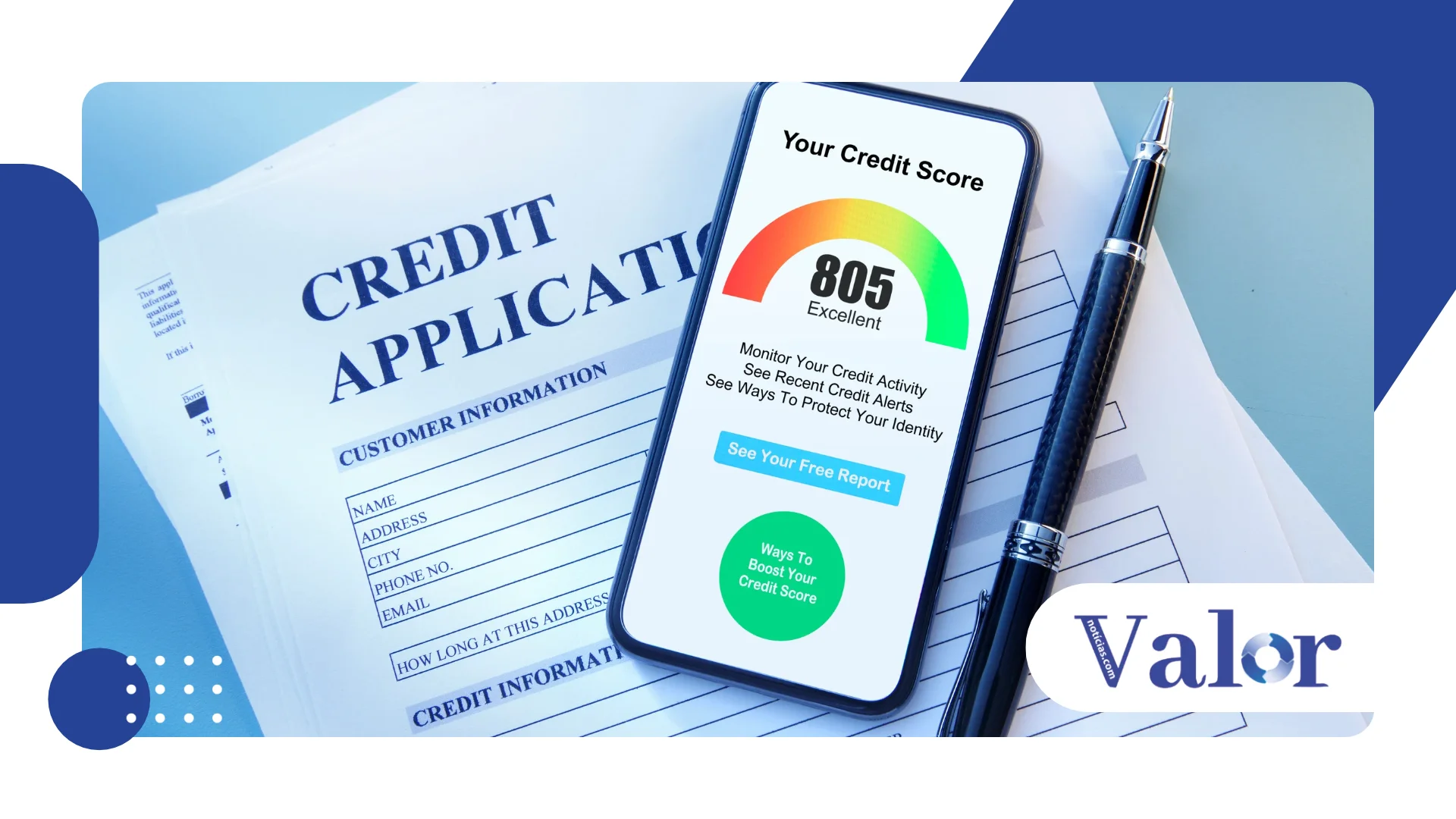
Giving people the power to say "no" only solves half the problem; the other half requires seeing the true size of the problem before taking the next step.
The new Consolidated Debt Dashboard was created with the mission of bringing together, on a single screen, how much of your monthly income is already committed to installments and active financing.
Initially, the system will mirror contracts held within the institution itself, gradually evolving to cross-reference data from Open Finance and the Credit Information System (SCR).
Once this integration is complete, the blocking credit offers It will cease to be merely a notification filter and will instead act in sync with a true X-ray of the citizen's financial health.
++ Consolidated debt panel changes banks' risk analysis.
Conclusion
Restricting the aggressive supply of easy money does not, in itself, solve the country's structural income problems, but it does correct a clear asymmetry in the banks' trade balance.
By restoring silence to the apps and demanding clarity about the impact of loan installments on the budget, the new regulations are shifting the market's axis: borrowing is no longer a convenient trap but a deliberate choice.
Closely monitor this timeline and activate the blocking credit offers Once the tools are available, it will be a simple act of financial self-defense in 2027.
To continue monitoring the economic developments and the impact of these measures on daily life, it is worth following the specialized coverage of... Brazil Agency.
Frequently Asked Questions (FAQ)
THE blocking credit offers Does it prevent new loans?
No. The block only silences advertising campaigns and approaches initiated by banks. If you need money, simply access the loan section of your app and request the amount as usual.
When will customers be able to request a freeze on their bank accounts?
The button or digital command to activate the blocking credit offers It will become mandatory from March 31, 2027, for all banks and financial institutions authorized to operate in the country.
Do the new rules change how Pix transfers work?
Not at all. Your transfers will still arrive in the destination account within seconds, with no extra costs. The change only prevents apps from using the payment moment as bait to offer installment credit.
