
How do oil reserves used to address supply crises work?
To the oil reserves used to deal with crises They play a vital role in global energy security, ensuring economic stability during periods of unexpected supply shocks.
Advertisements
When geopolitical conflicts or natural disasters disrupt the flow of fuel, these strategic reserves act as essential buffers.
In this comprehensive article, we will explore the detailed workings of these reserves, their activation rules, and their direct impact on the market.
The energy ecosystem critically depends on the ability to respond quickly to logistical bottlenecks. There is something unsettling about how quickly a bottleneck on the other side of the world can paralyze entire fleets here.
Understanding who controls these volumes and how governments coordinate the release of oil is fundamental to understanding the volatility of fuel prices at the pumps.
Read on to learn how global storage architecture protects nations and industries against critical supply shortages.
Summary
- How did strategic reserves come about and what is their current function?
- Who decides the exact moment to release the stored barrel?
- What are the main methods of oil storage in the world?
- What is the real impact of releasing the reserves on fuel prices?
- FAQ – Frequently Asked Questions about Strategic Reserves
- Conclusion
How did strategic reserves come about and what is their current function?
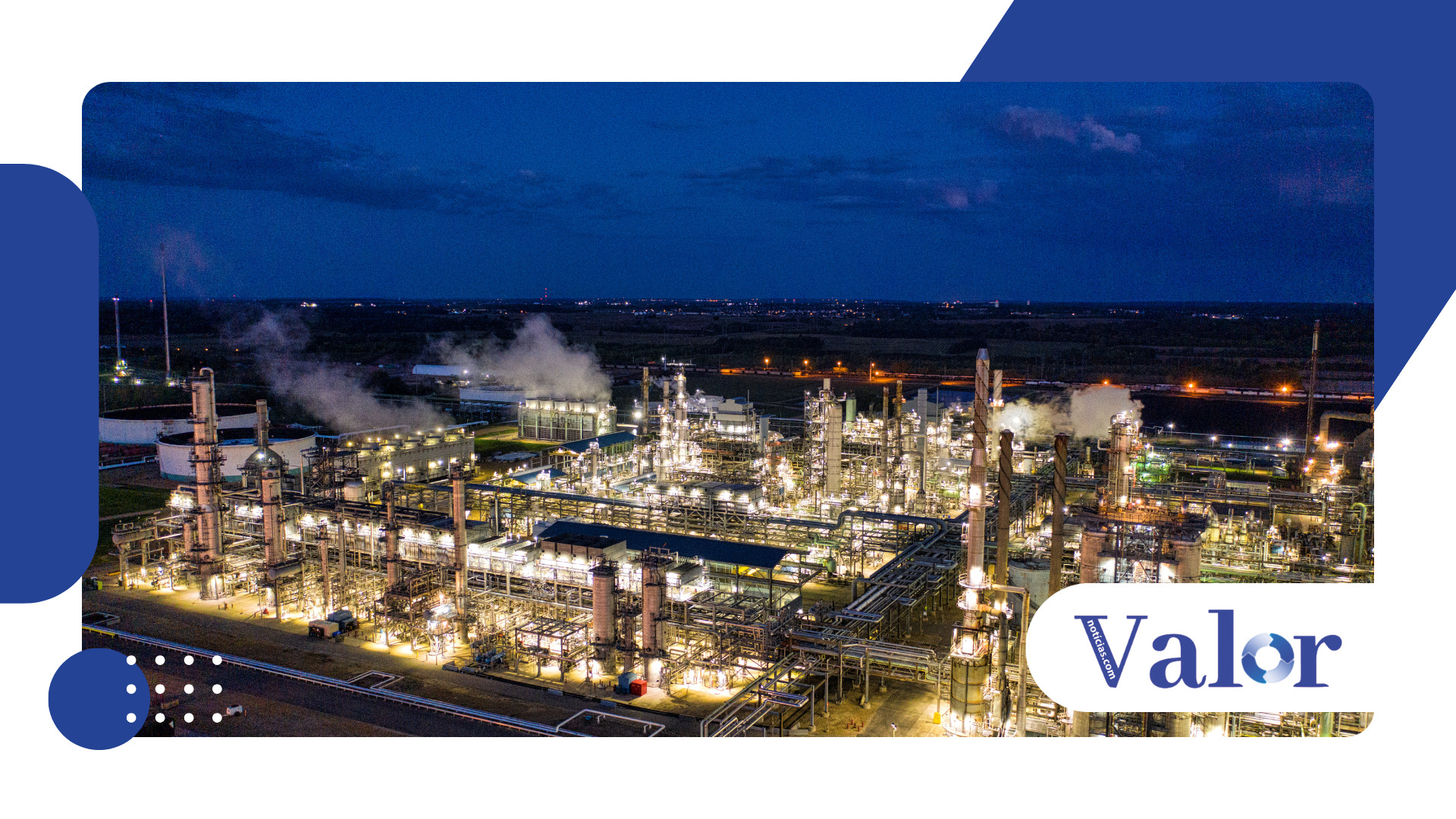
The systematic creation of government stockpiles intensified after the 1973 oil shock, when OPEC imposed a severe embargo on Western countries.
Faced with economic paralysis, developed nations recognized the extreme vulnerability of their supply chains and created the International Energy Agency (IEA) in 1974.
IEA member countries have undertaken a legal obligation to maintain stockpiles equivalent to at least 90 days of their net oil imports.
These oil reserves used to deal with crises They function as gigantic financial bulletproof vests, ensuring the continuity of essential services such as public transportation, electricity generation, and national defense during serious emergencies.
The modern function of these reserves has expanded beyond combating diplomatic embargoes, encompassing rapid response to extreme weather events.
Hurricanes in the Gulf of Mexico and sabotage of strategic pipelines frequently trigger these safeguards to contain financial panics in the futures market.
Who decides the exact moment to release the stored barrel?
The decision to release strategic volumes rests exclusively with the heads of the Executive Branch of the host nations or with coordinated deliberations within the IEA.
In the United States, for example, the president has discretionary authority to authorize the sale of the Strategic Petroleum Reserve (SPR).
Multilateral mechanisms require consensus among participating countries to implement simultaneous releases and maximize the impact on the global market.
This is often misinterpreted as a simple political stroke of the pen, when in fact it involves a complex diplomatic mechanism.
In times of acute geopolitical crisis, coordinated actions inject millions of barrels per day into the system, immediately mitigating uncontrolled speculation.
Additionally, private refineries and infrastructure operators may request temporary crude oil loans during local operational disruptions.
This bureaucratic flexibility ensures that minor bottlenecks do not turn into regional rationing of gasoline and diesel.
++ Financing lines help companies maintain investments.
How does refining infrastructure influence the speed of response to crises?
Having millions of barrels of crude oil stored underground is only half the equation during an energy emergency.
For this resource to support the real economy, the refining infrastructure needs to have spare capacity and the technical suitability to process the specific density and sulfur content of the released oil.
If local facilities cannot quickly convert the input into gasoline, diesel, and aviation kerosene, relief at the consumer level is inevitably delayed, demonstrating that industrial transformation capacity is as crucial as the volume stored.
In addition to the operational limitations of the processing plants, the geographical distribution of pipelines and maritime terminals imposes severe logistical bottlenecks.
Moving massive volumes of raw materials from storage cavities to consumption centers requires an unimpeded and highly integrated transport network.
When operational failures or blockages occur in these distribution routes, the effectiveness of the government response is neutralized, reinforcing the idea that energy security depends on a resilient logistics chain, and not just on the existence of large stockpiles.
++ Discover the App Capable of Recovering Deleted Photos
What are the main methods of oil storage in the world?
The safe storage of hundreds of millions of barrels requires highly specialized engineering solutions with very low operating costs.
Underground salt domes, caves carved into solid rock, and large surface tanks form the backbone of this infrastructure.
Salt caverns offer the most efficient option from both an economic and safety standpoint, protecting against leaks or attacks.
The injected water dissolves the salt, creating gigantic cavities located hundreds of meters below the Earth's surface, where the oil remains protected from degradation.
You can find official data on the volume and total capacity of these facilities on the portal of US Energy Information Administration (EIA), a global authority on energy statistics. Below, we summarize the main frameworks used around the world.
| Type of Structure | Average Capacity | Main Advantage | Maintenance Cost |
| Salt Domes | Very High (>700M barrels) | Maximum security and low cost. | Low |
| Rock Caves | High (100M – 300M barrels) | High geological stability | Average |
| Surface Tanks | Average (1M – 10M barrels) | Ease of access and pumping | High |
| Oil Tankers (Offshore) | Variable (1M – 3M barrels) | Immediate geographic mobility | Very High |
What is the real impact of releasing the reserves on fuel prices?
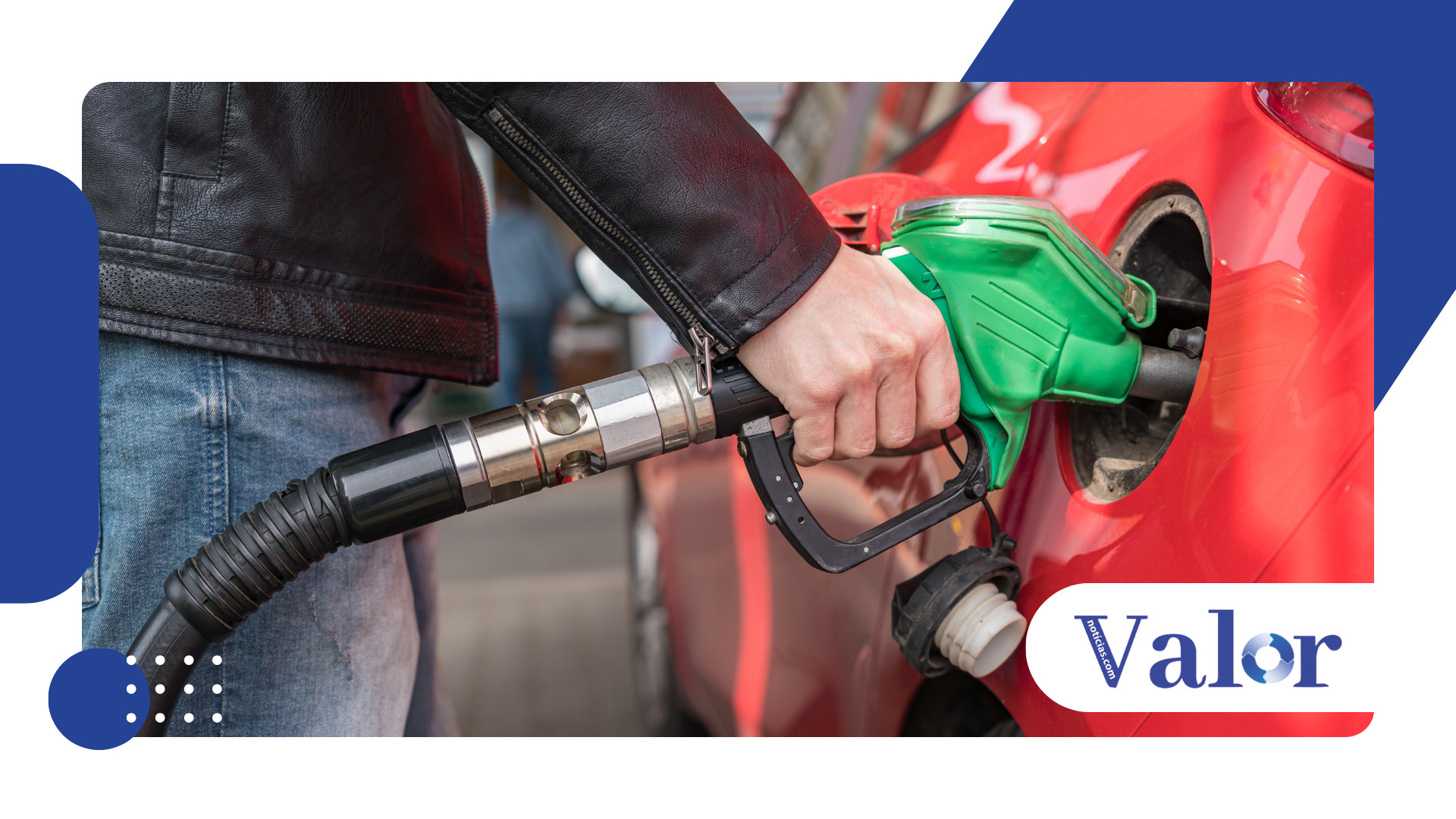
Ensuring stability in the consumer market is the primary objective of government emergency action during severe shortages.
The immediate introduction of oil reserves used to deal with crises reduces upward pressure on futures contracts traded on international exchanges.
However, analysts point out that releasing inventories serves as a temporary relief and does not resolve structural production bottlenecks.
If the supply disruption persists for extended periods, markets quickly absorb the additional volume and prices rise again.
The subsequent replenishment of these stocks is a critical step that requires detailed financial planning on the part of governments.
Buying back oil when prices are high can generate losses of billions of dollars for public coffers, requiring strategies for gradual acquisition.
++ External accounts: Brazil recorded a current account deficit of US$5.05 billion in August.
FAQ – Frequently Asked Questions about Strategic Reserves
Does Brazil possess a national strategic oil reserve?
Brazil does not have a government reserve similar to the American SPR, as it relies on operational stocks maintained by the refineries and private distributors themselves, under the regulation of the National Agency of Petroleum, Natural Gas and Biofuels (ANP).
How long does it take for the released oil to reach the gas stations?
The release, refining, and distribution process typically takes between 13 and 20 days to impact the final supply at gas stations.
Can reserves be used to control inflation in peacetime?
Although governments attempt to use stockpiles to curb inflation, international rules restrict the use of reserves to only actual and physical disruptions in supply.
What happens when strategic stockpiles run out?
The depletion of resources is forcing the country to ration fuel, prioritize essential services, and accept inflated international market prices to avoid economic collapse.
Conclusion
To the oil reserves used to deal with crises They represent the most crucial tool for energy sovereignty and stability that modern nations possess. In the face of constant geopolitical volatility, the proper maintenance of these reserves ensures the survival of entire production chains.
The shift to renewable energy sources does not eliminate, in the short term, the crucial dependence on this strategic underground resource.
To access detailed analyses on global energy logistics and market reports, visit our specialized coverage. International Energy Agency (IEA).
