
Money at the end of the month: what weighs most heavily on your wallet in 2026?
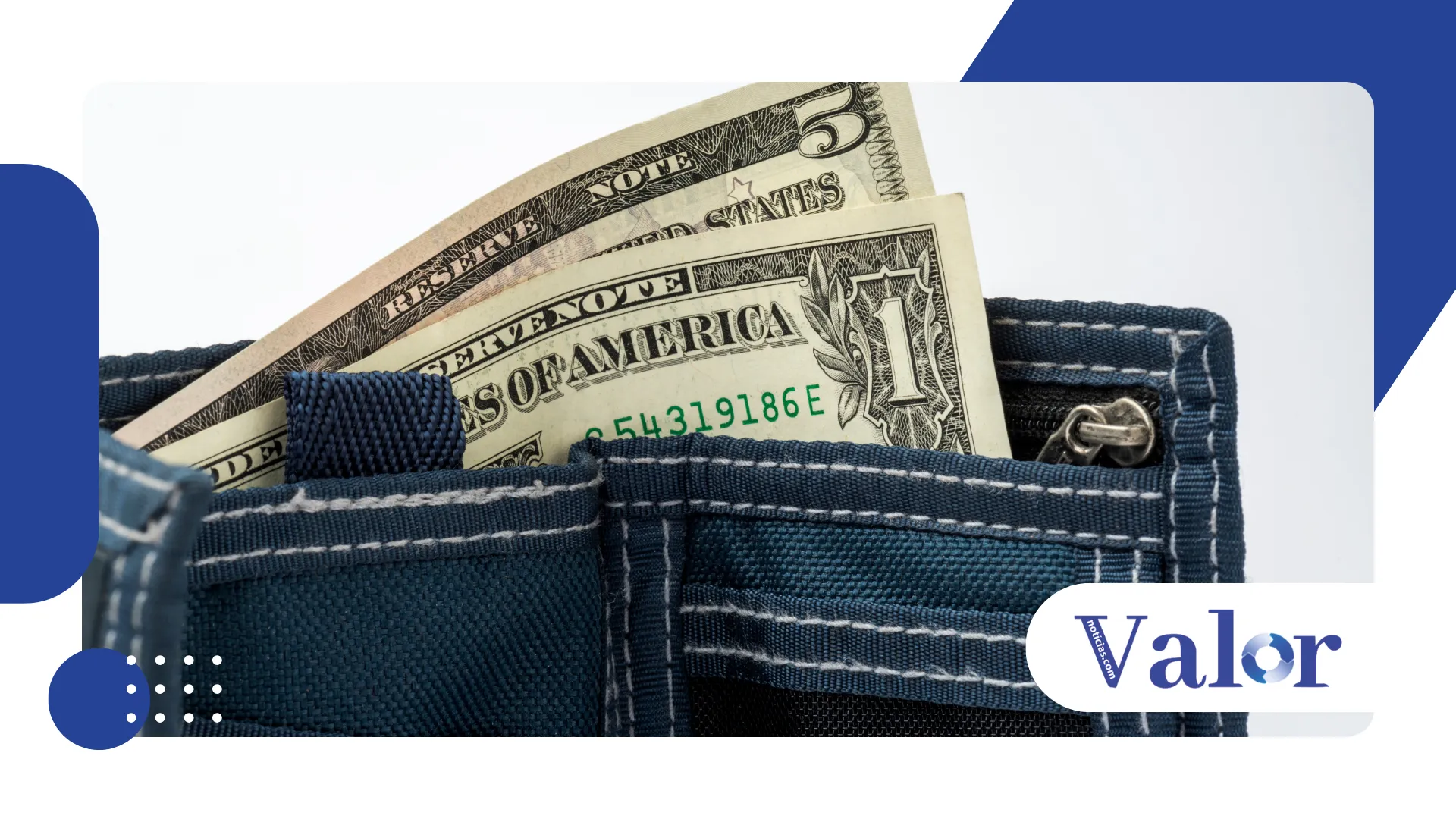
To ensure that there is some left over. money at the end of the month It became a sort of puzzle in 2026. And the problem isn't just the isolated price increases, but the way everyday life has been packaged into recurring charges and imperceptible micro-expenses.
Advertisements
Service inflation, near-compulsory dependence on new technological ecosystems, and disproportionate housing pressure have reshaped our budgets. Purchasing power has not only shrunk; it has fragmented.
To regain control over one's own finances, it is necessary to confront, without illusions, the leaks in current income, understanding the mechanics behind modern family finances.
Summary
- The financial landscape in 2026
- Main culprits in the current budget
- The impact of energy and technology
- How to reorganize your finances step by step.
- Frequently Asked Questions (FAQ)
What economic factors will shape the budget in 2026?
The ongoing volatility in basic services acts as a silent drain. There is something unsettling about how the cost of housing—driven by high interest rates and aggressive property price adjustments—simply swallows disproportionate slices of urban income before the month even truly begins.
Food, on the other hand, exposes the fragility of our routine. The fluctuating prices of fresh produce require consumers to perform daily juggling acts, transforming weekly planning into a constant exercise in substitution.
Follow the official indices of Brazilian Institute of Geography and Statistics (IBGE)It helps to call a spade a spade, confirming in graphs what we already feel in the supermarket queue.
Ultimately, it is the sum of inflated fixed costs with dozens of small, invisible expenses that prevents the formation of any solid reserve.
What invisible habits are eroding our income without us realizing it?
Small, daily decisions, made on autopilot, tend to drain the budget more efficiently than large, planned purchases.
The convenience of ordering meals through apps, the habit of paying unnecessary bank fees, or neglecting small maintenance fees create continuous leaks in the checking account.
When these micro-expenses are added up over the course of the year, they reveal a significant amount that could have been used to pay off debts or for strategic investments.
True financial control doesn't come from large, sporadic sacrifices, but from conscious attention applied to the trivial choices of each day.
++ The difference between being frugal and being stingy with finances.
What weighs most heavily on the consumer's wallet these days?
The structure of household finances has undergone a silent transformation. Expenses that were once marginal have gained prominence and now compete directly with food and transportation.
The accumulation of digital platforms, apps, and expanded data packages has become a modern necessity. Individually, these seem like harmless amounts, but added together they amount to secondary rent.
The table below clearly shows where the average family income is being consumed most heavily:
| Expense Category | Relative Impact on the Budget | Main Pressure Factor |
| Housing and Rent | High (30% to 40%) | Contractual adjustments and operational fees |
| Meals at Home | Medium-High (20% to 25%) | Volatility in the supply chain |
| Digital Services and Connectivity | Medium (10% to 15%) | Accumulation of subscriptions and data plans |
| Transportation and Mobility | Medium-High (15% to 20%) | Fuel and urban transport fares |
This mapping makes it clear: the plan to conserve money at the end of the month It usually fails not because of excessive spending, but because of a lack of control over daily automatic debits.
++ How to simplify your routine and gain more free time.
How do the energy transition and technology impact costs?
Electricity bills have become a game of budgetary Russian roulette. Climate change and the frequent activation of more expensive tariff flags are taking a heavy toll, weighing on the bill without warning.
Remote work and hyper-connected living require equipment to be constantly switched on. This home infrastructure consumes electrons and resources without pause, generating a fixed operating cost for almost any household.
Improving the energy efficiency of appliances has gone from being just ecological rhetoric to a matter of financial survival.
Meanwhile, the short lifespan of electronics drains savings. The perceived need to upgrade devices erodes cash flow with endless installment payments.
How does consumer psychology influence our daily decisions?
The impulse to buy is rarely a purely rational act. Constant exposure to behavioral marketing strategies and algorithms designed to anticipate our desires creates an artificial sense of need at all times.
When we use consumption as a quick reward for the stress of daily life, we turn our budget into an emotional buffer, compromising long-term goals in exchange for instant gratification.
Developing a critical filter between immediate desire and the real usefulness of a product is the most challenging—and decisive—step in regaining clarity about where your financial efforts are truly going.
++ Why You Need a Financial Plan B (Even If You Have Stability)
How to reorganize your budget and ensure a positive balance?
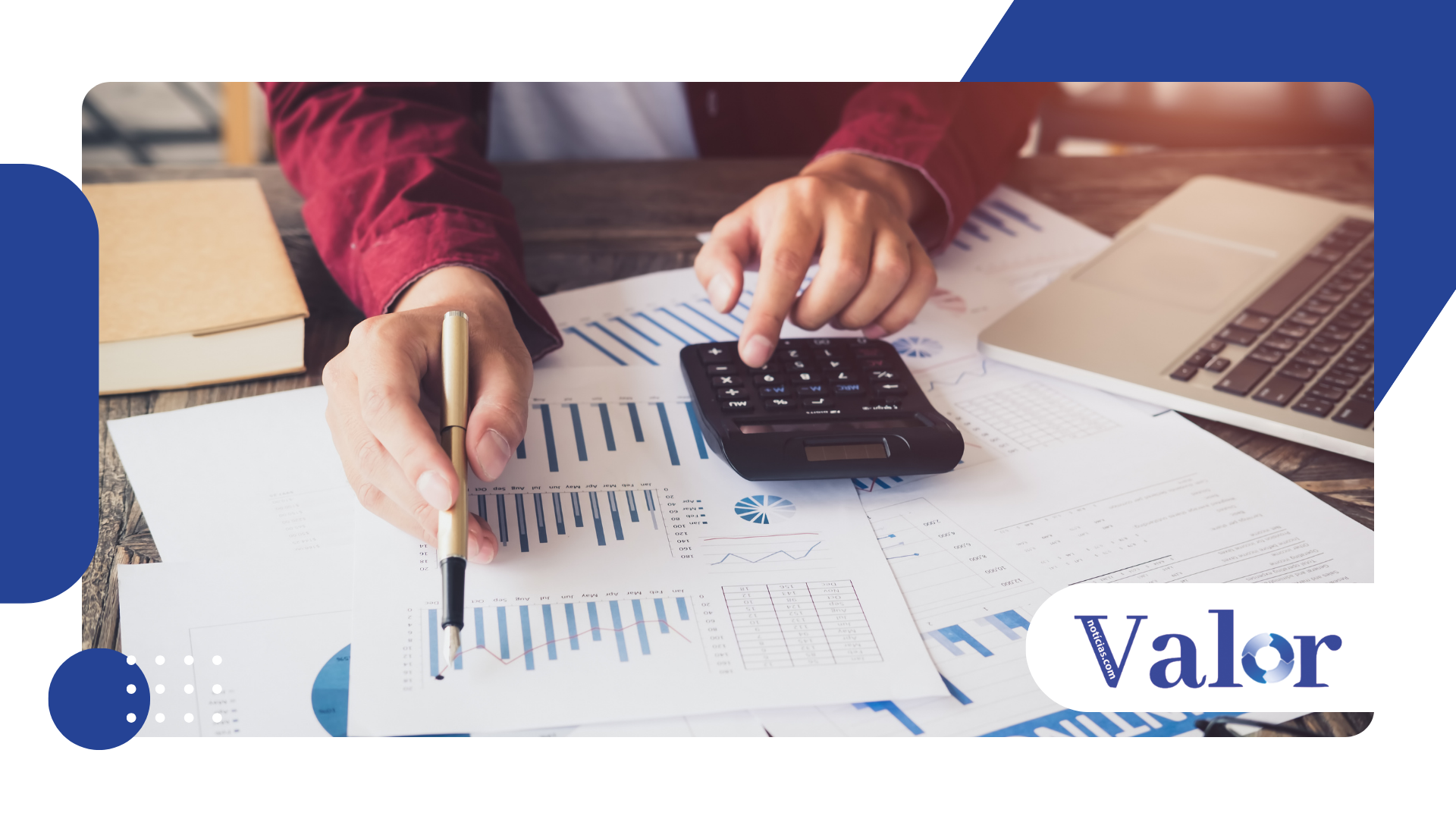
Turning the game around requires a kind of financial autopsy. The first step is to dissect every bank statement from the last three months, without overlooking that coffee or the forgotten app fee.
Reviewing telecommunications, insurance, and routine service contracts often yields immediate relief. Companies operate on the edge of their inertia; at the first sign of cancellation, their stance changes.
Setting strict limits per category prevents money from evaporating through minor deviations. Discipline here is not about deprivation, but about shielding against predictable surprises.
Eliminating revolving credit and high interest rates is the only priority that truly frees up income. Without this cleanup, any attempt to save will be jeopardized. money at the end of the month It becomes an illusion.
To understand contractual rights, renegotiations, and collection limits, it is worth consulting the collection of... Procon SP Foundation, an essential reference in consumer protection.
Changing the dynamics of personal finances takes time and requires initial discomfort. However, trading constant financial strain for control of one's own budget is worth every adjustment made along the way.
Frequently Asked Questions (FAQ)
What's the best strategy for cutting costs quickly?
Carefully review your recurring subscriptions and renegotiate your fixed-term phone and internet contracts. Adjusting these services to your actual usage often prevents immediate drain on your budget.
How much of your income should be allocated to fixed expenses?
A healthy metric is to limit essential costs to 50% of net income, reserving the other half for long-term goals, debt repayment, and flexible expenses.
How can you protect your budget against rising prices?
Diversify brands when shopping, take advantage of food seasonality, and avoid impulse purchases. Prior planning is the only effective shield against losing purchasing power.
