
Sharing Economy: How to Make Money with Your Possessions
THE sharing economy transformed the way we view the possession and use of goods.
Advertisements
Instead of accumulating objects that spend most of their time idle, why not turn them into sources of income?
This model, driven by technology and a shift in mindset, allows individuals to monetize assets they already own, from cars to tools.
But how can we harness this potential without falling into traps or wasting opportunities?
In this text, we'll explore how the sharing economy can be a smart strategy for generating extra income, with practical examples, concrete data, and insights that go beyond the obvious.
See below:
What is the sharing economy and why does it matter?

The sharing economy is an economic system based on the sharing of underutilized resources, such as physical goods, skills, or time, often facilitated by digital platforms.
Unlike the traditional consumption model, which prioritizes possession, this concept values access.
See also our article on: What are the main types of properties to invest in?
For example, instead of buying a car, you can use an app to share someone else's vehicle.
However, what makes this model so relevant is its ability to democratize income generation.
Anyone with an idle asset can turn it into profit, as long as they know how.
Furthermore, the sharing economy aligns with a growing global awareness of sustainability.
In a world where mass production strains the environment, sharing resources reduces waste and promotes efficient use.
According to a PwC report, the global sharing economy market is expected to reach US$1.4 trillion by 2025, highlighting its economic impact.
Therefore, participating in this movement is not just a matter of profit, but also of contributing to a more responsible system.
Finally, the flexibility of this model is a powerful attraction.
++ Real Estate Funds: How They Work and Why Invest in Them
Unlike a steady job, asset sharing allows you to adjust your participation to your lifestyle.
Whether you're renting out a spare room or offering your car on a platform, the sharing economy gives you the freedom to decide when and how to earn money.
But how do you get started without taking unnecessary risks? Let's explore the possibilities.
How to turn your assets into sources of income
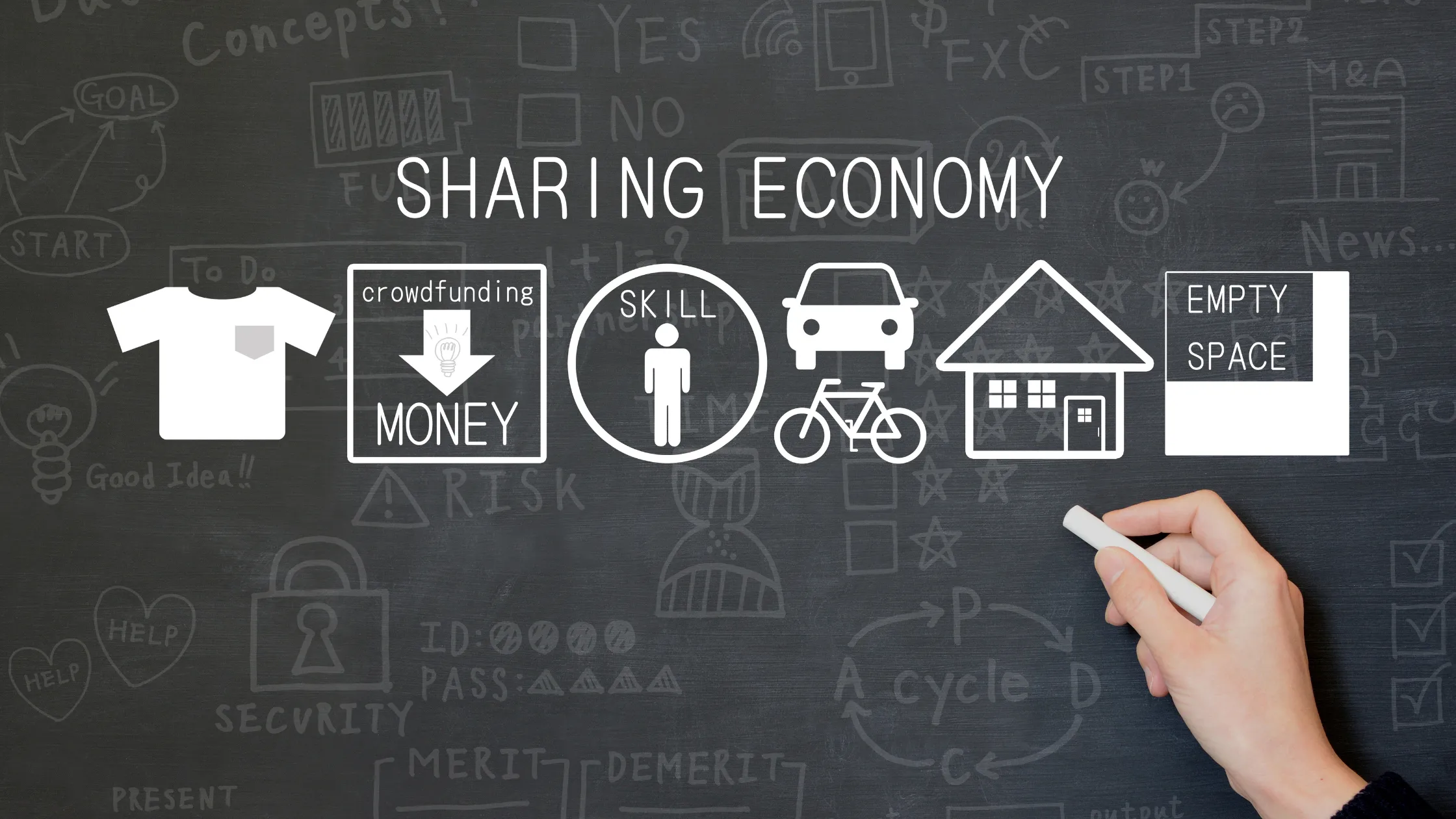
Rental of properties or spaces
Think of your home as a treasure trove: that extra bedroom, the underutilized backyard, or even the garage could become sources of income.
Platforms like Airbnb and Booking allow homeowners to rent spaces to travelers, while sites like Peerspace offer the possibility of renting spaces for events or photo shoots.
++ What are Incentivized Debentures and Why Are They Getting Attention?
For example, Ana, a teacher from São Paulo, decided to rent out her renovated attic to tourists.
With an average of R$ 150 per night and 15 daily rates per month, it generates around R$ 2,250 per month, covering a good part of its fixed expenses.
However, success in this model requires strategy.
Before listing your space, invest in professional photos and a clear description, highlighting features such as location or amenities.
Additionally, it's crucial to be aware of local regulations, as some cities impose restrictions on short-term rentals.
Ignoring this could result in fines or legal issues, something that early planning can avoid.
On the other hand, renting spaces is not limited to residential properties.
Commercial spaces, such as offices or studios, are also in high demand.
If you have an unused commercial space, platforms like BeerOrCoffee connect owners with professionals looking for temporary workspaces.
Thus, the sharing economy transforms even less obvious assets into profit opportunities.
Monetizing your vehicle
Your car, which spends hours parked, is an underutilized asset that could generate significant income.
Platforms like Moobie and Turo allow you to rent your vehicle to others, whether for short trips or daily commitments.
For example, João, a freelancer from Rio de Janeiro, rents out his SUV on weekends through a platform.
With an average rate of R$ 200 per day and four rentals per month, he earns around R$ 800 per month, enough to cover the insurance and maintenance of the car.
However, before entering this market, it is essential to consider the associated costs, such as vehicle wear and tear and additional insurance.
Some platforms offer damage protection, but it's wise to carefully evaluate the terms.
Additionally, establishing clear criteria for renters, such as checking driving records, can minimize risk and ensure a safe experience.
Another creative approach is to use your car for services beyond direct rental.
For example, platforms like BlaBlaCar allow you to offer intercity rides, while delivery services like Rappi accept independent drivers.
In this way, the sharing economy offers multiple ways to monetize a single asset, adapting to your needs and availability.
Sharing everyday goods
The sharing economy isn't just about real estate and cars. Everyday items like tools, bicycles, or sports equipment can also generate income.
Platforms like Rentbrella or Spinlister allow you to rent everything from umbrellas to surfboards.
Think of it like a modern library: you lend out what you don't use and profit from it.
For example, an electric drill, which costs around R$ 200, can be rented for R$ 30 per day, recouping the investment in just a few uses.
However, success in this niche depends on understanding local demand.
Researching which items are most sought after in your area can increase your chances of profit.
Additionally, keeping your goods in good condition and offering a streamlined delivery process are factors that differentiate your offering in a competitive market.
Interestingly, sharing smaller possessions also strengthens community bonds.
By renting a bike to a neighbor, you not only earn money, but also create local connections.
This social aspect of the sharing economy is often underestimated, but it can be a differentiator for those seeking a purpose beyond financial ones.
Benefits and challenges of the sharing economy

Financial and practical advantages
The sharing economy is like a bridge that connects idle resources to real needs, creating value for both parties.
Financially, it allows you to maximize the return on investments you've already made, such as buying a car or a house.
Furthermore, flexible working hours are ideal for those looking to supplement their income without compromising other responsibilities.
For example, renting out a spare room requires only a few hours of preparation each month, but can generate thousands of dollars.
Furthermore, another benefit is scalability.
As you gain experience, you can expand your offerings, such as renting more than one property or diversifying your services.
Digital platforms facilitate this process, offering management tools such as availability calendars and secure payment systems.
Thus, the sharing economy is not only a source of income, but also an opportunity to develop entrepreneurial skills.
Finally, participating in this model contributes to the circular economy, reducing the need to produce new goods.
This not only benefits the environment, but also attracts conscious consumers who value brands and individuals aligned with sustainable practices.
Who wouldn't like to make money while making a difference?
Challenges and how to overcome them
While promising, the sharing economy is not without its challenges. One of the main ones is trust.
How can I ensure that my item will be returned in good condition?
Reliable platforms mitigate this risk with rating systems and insurance, but it's essential to read the terms of service and, if possible, invest in additional protections.
For example, when renting a car, checking that the renter has a good track record can save you headaches.
Additionally, competition is a factor to consider.
With the growth of the sharing economy, the market is increasingly saturated.
To stand out, invest in differentiators, such as offering personalized service or competitive prices.
For example, including small extras, such as a welcome kit, in a property rental can build customer loyalty.
Finally, tax and legal issues cannot be ignored.
Depending on the amount of income generated, it may be necessary to declare it to the tax authorities or register as an individual microentrepreneur (MEI).
Consulting an accountant from the beginning helps avoid surprises, ensuring that your journey into the sharing economy is financially secure and sustainable.
Sharing Economy: Frequently Asked Questions
| Question | Response |
|---|---|
| Is it safe to rent out my assets in the sharing economy? | Yes, as long as you use reliable platforms with rating systems and insurance. Always check the tenants' history and read the protection terms offered. |
| Do I need to declare the income generated? | Yes, depending on the amount, income must be declared. For small amounts, a tax return may be sufficient, but consulting an accountant is recommended. |
| Which assets are most profitable to share? | It depends on local demand, but real estate, vehicles, and specialized equipment (such as cameras or tools) tend to have a higher return. |
| How do I stand out on sharing economy platforms? | Invest in quality photos, detailed descriptions, and differentiators, such as competitive prices or additional services. |
| Are there legal risks when sharing assets? | Yes, especially in rental properties, where local regulations may impose restrictions. Research your city's laws before you begin. |
Sharing Economy: Conclusion
THE sharing economy It's more than a trend; it's a revolution in how we use and monetize our assets.
By turning idle assets into sources of income, you not only improve your financial situation, but also participate in a movement that promotes sustainability and community connections.
However, success requires planning, from choosing the platform to managing risks.
With creativity and strategy, your assets can become the key to a new source of income.
So why leave your car in the garage or that spare room collecting dust?
Start today and discover the hidden potential in what you already have.
