
Choose Your Card: Select and Proceed
Select the best option for you.
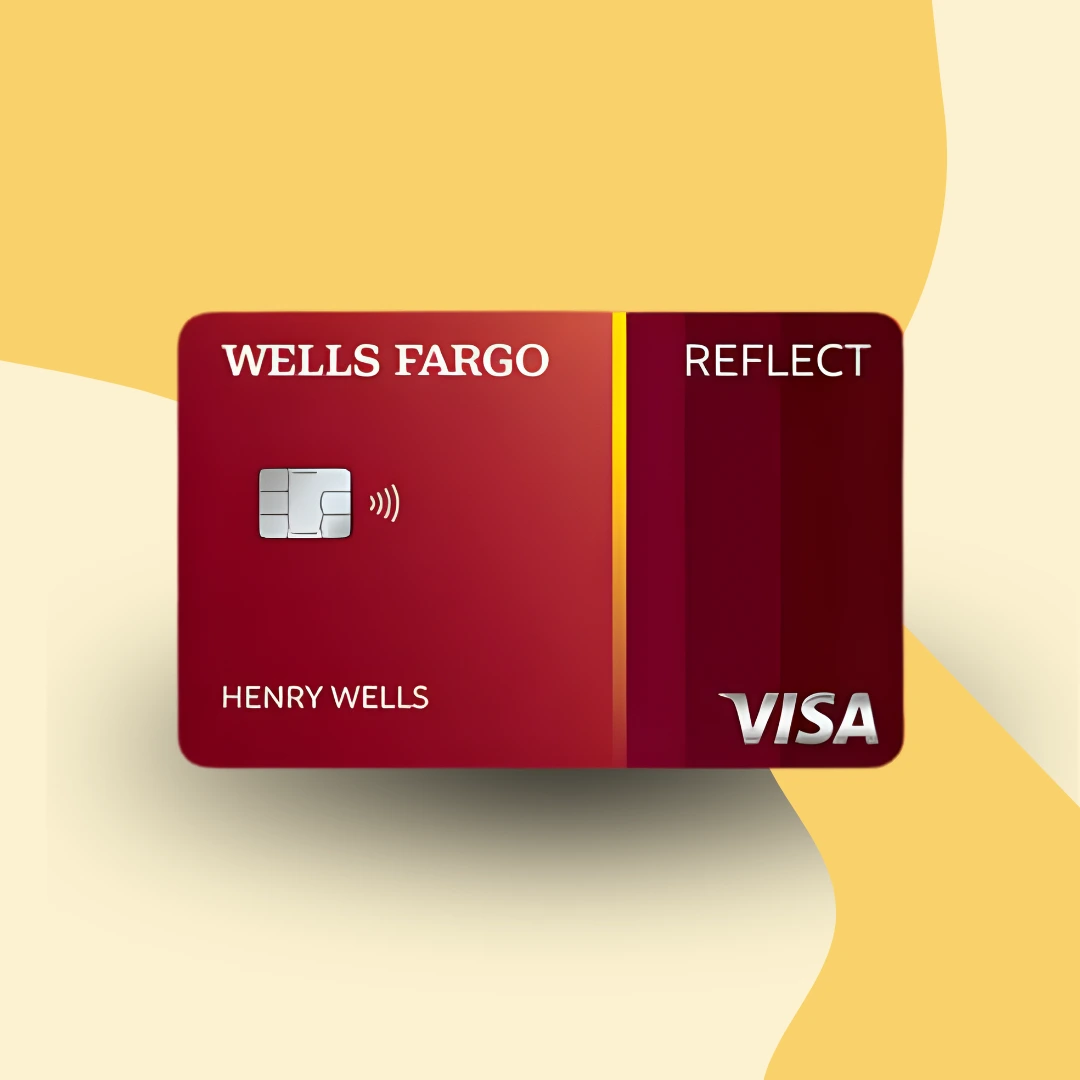
Understand How to Choose a Credit Card Right for Your Financial Profile
Credit cards have gone from being just a simple accessory in a wallet to becoming indispensable tools in modern financial management. For the vast majority of people, they function as a fundamental logistical and security tool.
Today, they are used for grocery shopping, refueling, paying utility bills, booking trips, and, most importantly, as a vital layer of protection in high-value digital transactions.
However, what many users still don't fully understand is that keeping the wrong credit card can be silently draining their financial reserves month after month.
This credit decision, often made automatically when opening a traditional bank account, can cost hundreds, or even thousands of reais, every year.
This capital leakage occurs through superfluous fees, aggressive revolving interest rates, and the absence of real benefits that you should be rightfully accumulating.
If your current card charges a maintenance fee (known as an annual fee), offers a negligible return on benefits, applies high interest rates to the outstanding balance, or penalizes you with hidden fees on international purchases, this is the critical time to reassess your strategy.
The central question you should ask yourself today is: is your credit card truly working to increase your wealth and make your life easier, or is it actively working against your long-term financial stability and progress?
Most consumers are still stuck with an outdated traditional banking model: high interest rates, overly complex loyalty programs, and contracts full of fine print that hide the true cost of being a customer of that institution.
The reality is that many of these financial products were designed at a time when consumers had far less access to information and competition. But in today's economic climate, you no longer have to accept these disadvantageous conditions.
A powerful new category of cards is redefining the Brazilian and global market — offering real possibilities such as cashback (money back directly into your account), zero maintenance costs, and fully digital and transparent financial management.
This text serves as a thorough and informative guide to using credit intelligently. You will learn to observe important clauses, understand why modern credit cards tend to be infinitely more efficient, and know how to make your money work harder with rigorously controlled risks.
The Hidden Cost of Keeping the Wrong Card in Your Wallet
Often, credit card offers seem extremely seductive at first glance. They boast promises of accelerated points accumulation, exclusive access to VIP airport lounges, and partnerships with luxury brands.
However, behind this elaborate marketing facade, it's necessary to be aware of cost structures that can constantly and silently consume your resources.
It is absolutely essential to analyze the common "traps" present in conventional credit cards to avoid losses in the medium and long term:
High Annual Fees with Low Returns: Credit cards considered "Premium" (such as Platinum or Black variants), or even intermediate ones (Gold), usually charge monthly or annual fees that vary drastically.
Although they promise a range of benefits, the vast majority of users do not fully utilize these advantages (such as travel medical insurance, baggage protection, or concierge services). This makes the fee a sunk cost. If you pay R$ 500.00 in annual fees and only receive the equivalent of R$ 100.00 in real benefits, the financial math doesn't add up in your favor.
Interest on the Balance (The Danger of Revolving Credit): The average interest rate on revolving credit in Brazil is historically one of the highest and most punitive in the global financial sector.
By carrying over a debt from one month to the next, paying only the minimum amount due on the bill, a disproportionate amount is charged for each unit consumed.
A lack of planning and financial education can transform small, everyday purchases into complex and unmanageable debts in a very short period of time.
Bureaucratic and Inefficient Reward Programs: There are points systems that expire without adequate prior notice and redemption rules that constantly change according to the convenience and profit margin of the issuing bank.
Often, the perceived return is so low that it barely covers the transaction and maintenance costs of the card itself, generating no real benefit for your wallet.
Furthermore, converting bank points into frequent flyer programs, and subsequently exchanging them for tickets, often requires a real "financial engineering" that the average consumer doesn't have the time or inclination to manage.
Foreign Transaction Fees and Exchange Rate Spread: Many traditional credit cards apply heavy margins (known as currency spreads) to any purchase made outside the country or on international e-commerce websites.
This represents an extra, invisible cost every time you subscribe to a global digital service (such as streaming platforms), book a hotel abroad, or buy software priced in dollars. Some banks even charge up to 6% above the official exchange rate.
Surprise Fees and Emergency Assessment: A single day of late payment can instantly trigger late payment fees and fixed penalties that substantially increase the final cost of your bill.
Furthermore, the so-called "emergency credit assessment" fees (charged when you exceed your pre-established limit, even by a few reais) can erode your monthly savings without you immediately realizing the seriousness of the situation.
The logic behind these charges is simple: these products were created primarily to benefit the financial institution. It is up to the consumer to be aware and informed in order to reverse this logic, using credit lines to their advantage.
The Evolution of the Market: No-Cost Cards with Cashback
Fortunately, there is a strong and robust trend in the current financial market towards cards that are purely focused on direct consumer benefit and total data transparency.
These modern models, driven by the Fintech and Digital Banking revolution, vehemently reject abusive fees and past practices.
What usually sets these new cards apart from traditional banking competitors is:
Royal Exemption from Annual Fee: The vast majority of credit cards offered by digital institutions have unconditional zero annual fees. This means you are not obligated or required to spend an exorbitant minimum amount per month to guarantee the fee waiver.
Clear and Clear Cashback Rewards: Instead of focusing on complex, devalued, and difficult-to-redeem points systems, the main benefit is applied directly to each purchase made. This value is returned as a credit to offset the bill itself or, even better, deposited as cash and earning interest in your checking account.
100% Digital and Autonomous Management: Control is now exercised via a smartphone app in real time, covering every transaction.
This allows you to block and unblock your physical card with a touch, adjust daily spending limits, receive advance payments with discounts, and generate dynamic virtual cards for online purchases with an unparalleled level of security.
Strategic Registration Bonuses: As a way to attract new customers, many institutions now offer substantial incentives for those who meet certain basic usage requirements in the first few months after their account is approved.
With these updated cards, the use of the credit limit ceases to be just a basic means of payment and becomes a powerful tool for financial organization and leverage for those who have discipline.
What to Thoroughly Evaluate in a High-Quality Credit Card
Before searching for a new option and filling out an application, clearly understand the pillars that separate the most efficient cards from the rest of the average market. When analyzing the options available through the navigation buttons on this page, carefully consider the following points:
Structured and Intelligent Cashback: Some credit cards on the market offer a fixed return rate (for example, from 1% to 1.5%) on absolutely all purchases.
Other models offer much higher percentage rewards in specific and essential spending categories, such as large supermarket chains, gas stations, ride-sharing apps, or pharmacies.
Carefully assess where you spend the majority of your money each month to choose the card that accurately rewards your spending profile.
Exemption from International Fees and Zero Spread: An essential factor in avoiding excessive fees on global online purchases and during tourist trips, protecting your purchasing power in foreign currency. Some innovative digital cards offer the commercial dollar exchange rate (much cheaper) instead of the tourist dollar, in addition to waiving the bank spread.
Advanced Security and Contactless Technology: Contactless payment technology (NFC) is already the minimum expected standard, but the security of a premium card goes far beyond that.
Check if the institution's app offers the functionality of a "Recurring Virtual Card" (ideal for ongoing monthly subscriptions like Netflix, Spotify, and gyms) and a "Temporary Virtual Card" (perfect for one-off purchases on unfamiliar e-commerce sites, as the number expires after use).
This prevents serious fraud and the inconvenient need to cancel and reissue your main physical card.
Hidden Benefits of Visa, Mastercard, and Elo Cards: It's crucial to remember that, in addition to the benefits offered by the issuing bank itself, the card's network also provides a valuable package of advantages.
Features such as Price Protection Insurance (if you buy a product and find the same item cheaper days later, the card issuer refunds the difference directly to your account), Original Extended Warranty (which doubles the factory warranty on electronics), and Travel Medical Insurance are completely free benefits in many card categories (Gold, Platinum, Black, and Infinite) that the vast majority of users unfortunately forget to activate.
Understanding Cashback in Practice: Real and Tangible Value in Your Account
Unlike highly restrictive frequent flyer programs or abstract points systems that suffer from constant inflation, cashback represents a net, universal value. It's incredibly easy to calculate, impossible to devalue overnight, and most importantly: you have complete freedom to decide how to use it.
Here's a hypothetical mathematical example of annual savings: Imagine a monthly family expenditure of R$ 3,000.00 concentrated on a card that offers 1% of fixed cashback.
This automatically generates R$ 30.00 per month, without any additional effort, totaling R$ 360.00 net per year.
If that same card has its own shopping portal (in-app shopping) with "extra cashback" campaigns at partner stores (such as major retailers of appliances, fashion, or technology), that annual amount can easily be doubled or tripled in purchases you would make anyway.
This accumulated value can be strategically used to reduce the outstanding balance of the following month's bill, automatically invested in daily liquidity funds, or simply transferred via PIX to your main checking account. All this occurs without short expiration dates or complex and frustrating redemption rules.
How Rigorous Credit Analysis Works (And How to Improve Your Chances of Approval)
It is extremely important to emphasize that there is no unrealistic promise of "guaranteed 100% approval". Granting a line of credit is, in essence, a risk mitigation decision made by artificial intelligence and the financial institution's analysts, based entirely on your behavior and history.
However, understanding the logic behind how bank algorithms operate can help you prepare and position yourself optimally.
Here are some proven steps to dramatically improve your financial market profile:
Monitor your credit score regularly: Use the official and free tools available on the market (such as the Serasa Experian or Boa Vista SPC portals) to fully understand your current score. Your score is a direct numerical reflection of your historical payment habits.
Keep your Positive Credit History Active: This is a vital government and market tool that allows large banks to see not only if you have debts, but also all the bills you pay religiously on time (electricity bills, water bills, internet plans, old loans). This is fundamental and transformative for those who don't have a long banking history, as it irrefutably proves their financial responsibility and punctuality.
Centralize the Use of Your Checking Account: If you desperately want a high-limit credit card from Bank "X", the first logical step is to open a free digital account with that institution, request salary portability there, or at least actively move your funds via PIX through that platform. Close, daily interaction helps the bank's internal algorithm track and understand your true income-generating capacity.
Always pay the full amount and on the due date: Punctuality in payments is the most important factor in ensuring progressively higher credit limits and access to better credit offers in the future. Even a short delay in payment signals a latent risk of default to the market and can instantly lower your credit score. Never finance the total amount by paying only the "minimum."
Avoid Mass Requests: Applying for five or six different credit cards in the same week can (and will) be interpreted by anti-fraud and credit risk systems as a sign of "financial desperation."
Each request generates a hard inquiry on your CPF (Brazilian tax identification number), which temporarily reduces your score. Choose wisely, carefully analyze your options, and only apply to the institution you like best.
Final Thoughts: Stop Paying More Than Necessary Immediately
Your credit card should invariably act as a robust ally in your life planning—not as an inescapable fixed cost or a monthly source of financial anxiety. If you still tolerate paying expensive fees, disproportionate interest rates, and receive very little (or nothing) in return for your loyalty, it's time to act assertively and seek modern alternatives.
Choosing the right card will allow you to save significant amounts on bank fees and charges throughout your life, receive flexible cashback on your everyday purchases, and, most importantly, build a solid and respected financial profile to facilitate future financing needs, such as quick approval for the purchase of a property or vehicle.
You strive daily to earn and increase your income. Under no circumstances should you allow the wrong card to consume your earnings with inefficiencies and contractual traps. The excellent options currently available on the market deliver precisely the agile tools that the modern consumer demands and needs, sweeping away the unnecessary charges of the traditional system.
Now, carefully analyze your spending habits. Return to the top of this page, click on the buttons for the available categories, and immediately see which one makes the most sense for your current life situation. Always spend intelligently, maintain total financial control through your app, and make your money actively work for you.
