
IBS and CBS 2026 begin to impact consumer prices.
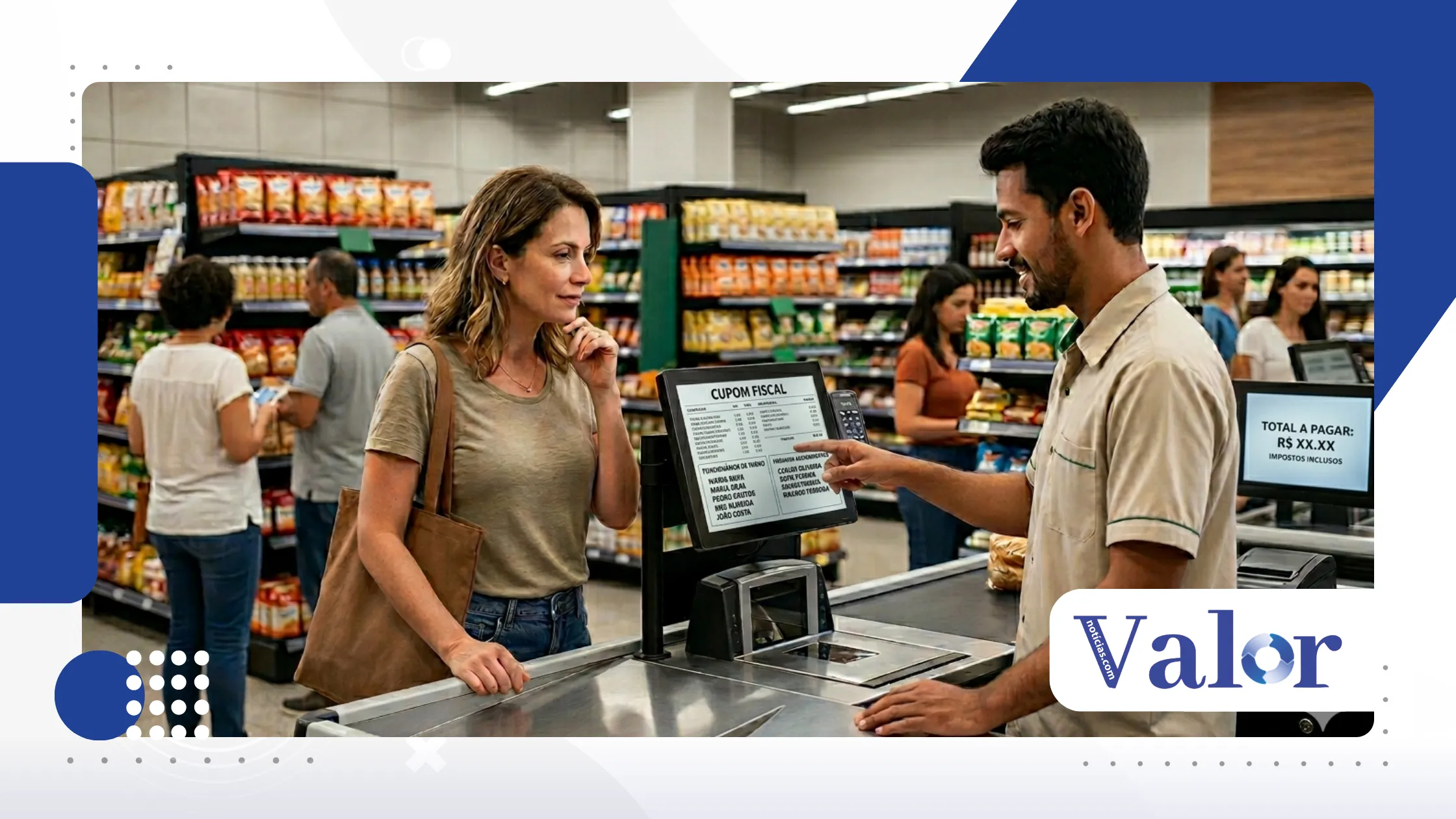
The implementation of the IBS and CBS 2026 This marks the beginning of a tax transition that, while technical on paper, strikes at the heart of the Brazilian domestic economy by redesigning how consumption is taxed.
Advertisements
We are at a ground zero where the new dual Value Added Tax (VAT) is leaving the legislative drawing board to test its viability in the daily lives of producers and consumers.
This guide dissects the practical impacts, trial rates, and essential timeline so that citizens are not caught off guard by the country's new tax architecture.
Navigation Summary
- The tax transition in 2026
- How do IBS and CBS affect prices?
- Comparative Tax Rate Table
- The role of Cashback and selectivity.
- Future perspectives and reflections
The tax lab: How do IBS and CBS 2026 work in practice?
The year 2026 functions as a kind of technical "grace period," with rates set at symbolic levels: 0.1% for the IBS and 0.9% for the CBS.
This initial phase is less about revenue collection and more about calibration, serving to verify whether the mechanism of full non-cumulativeness — that idea that tax should not be levied on tax — actually works without jamming.
The critical point here is the forced coexistence. For a while, the IBS and CBS 2026 They will share space with the ghosts of PIS, Cofins, ICMS and ISS, forcing companies to operate in two distinct systems simultaneously.
This is not just a name change, but a technological transition that demands absolute compliance to avoid logistical bottlenecks and miscalculations that, in the end, are passed on to the consumer.
Investing in tax management is no longer a differentiator but a matter of survival, as any slip-up in the appropriation of tax credits can erode profit margins in a market that does not forgive inefficiencies.
Which sectors are feeling the first impacts on consumer prices?
There is a perception, often mistaken, that the reform will bring immediate and widespread relief, but the scenario is more nuanced and requires careful consideration.
The service sector, historically less taxed by the ISS (Service Tax), tends to feel greater pressure, while industry can breathe easier with the end of cascading taxation that increases the price of off-the-shelf products.
Transparency is the great gain of IBS and CBS 2026, revealing in electronic invoices the exact weight of the State in each item, something that was previously hidden in obscure calculations.
Long supply chains, such as the vehicle industry, have greater potential for optimization, since eliminating tax residues throughout the process tends to balance the final price at dealerships by 2026.
On the other hand, the so-called "Selective Tax" emerges as an extra cost component for products labeled as harmful to health or the environment, raising prices beyond basic rates.
+ Logistics costs in Brazil are rising and impacting final prices.
Tax rate structure for the trial period
The following projection details the tax framework for the transition phase, as established by the regulations of Constitutional Amendment 132 for the start of the progressive tax substitution.
+ Productivity in Brazil hinders sustainable economic growth.
| Tribute | Tax rate 2026 | Destination | Role in the System |
| CBS | 0,9% | Federal | Credit Validation |
| IBS | 0,1% | States and Municipalities | Federal Distribution |
| PIS/Cofins | Equivalent reduction | Federal | Input Compensation |
| Total VAT Dual | 1,0% | Unified | Tax Harmonization |
Where can consumers see the change on their receipts?
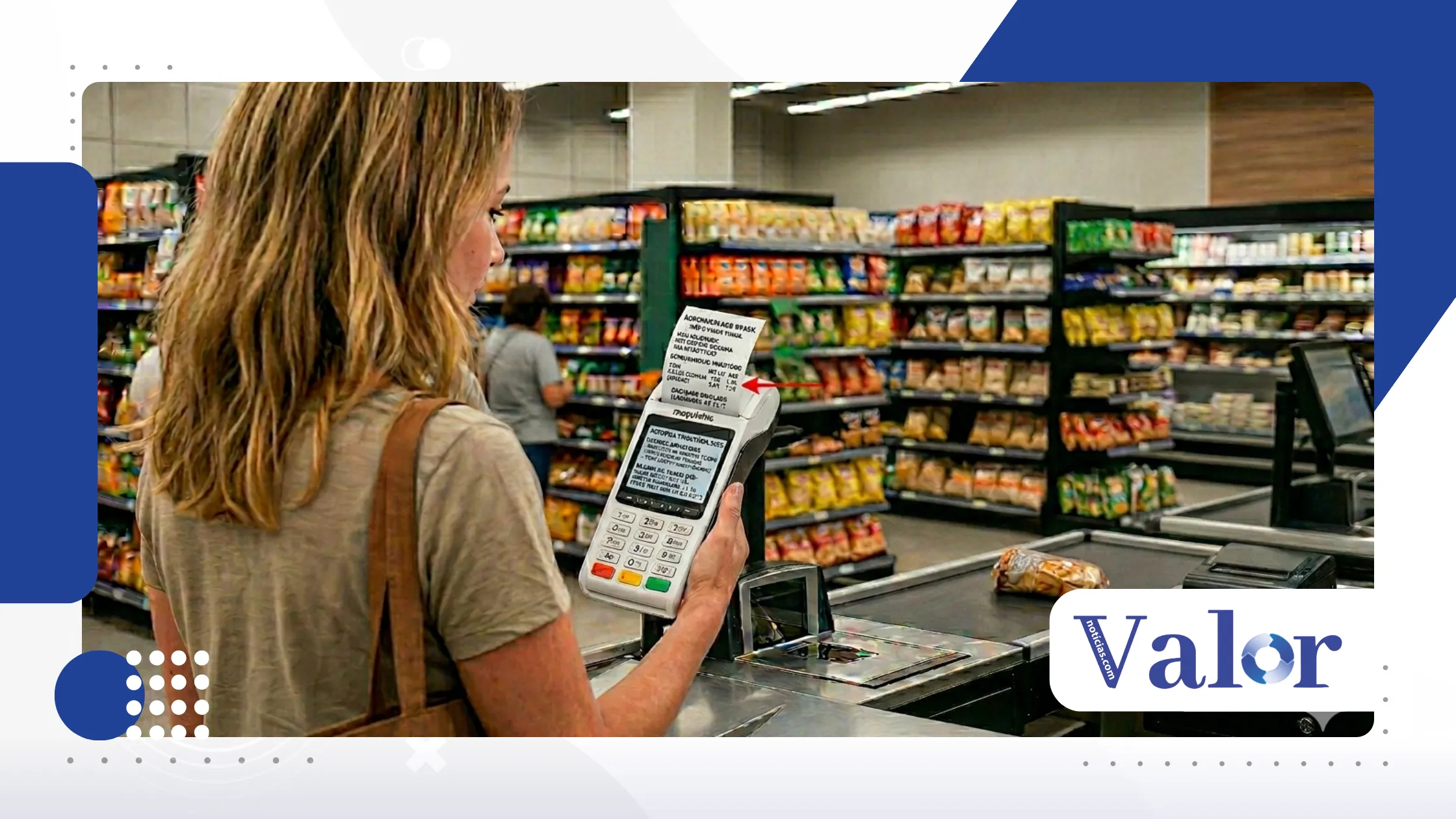
The visibility of IBS and CBS 2026 This will be immediately reflected in the detailed breakdown of Electronic Consumer Tax Invoices (NFC-e), which now include the new taxes in a segregated manner.
This visual clarity is an invitation to exercise fiscal citizenship, allowing every Brazilian to understand, without filters, how much of their work is directed towards maintaining the public machine.
The government hopes that this exposure will deter tax evasion and promote fairer competition, where a company's efficiency counts more than its ability to find loopholes in the law.
The role of IBGE (Brazilian Institute of Geography and Statistics) will be vital in the coming months to monitor whether the reduction in operational costs is actually reaching the consumer's pocket or whether it is being retained in the margins of retail businesses.
The cashback mechanism: Fair or insufficient?
The tax refund system, or cashback, emerges to correct the historical regressivity of the Brazilian system, initially focusing on families registered in the CadÚnico (Single Registry for Social Programs).
The idea is that the IBS and CBS 2026 Taxes on basic items, such as electricity and gas, should be passed on to the consumer, minimizing the impact of taxation on those with less purchasing power.
The processing will be digital and automatic, with the funds being returned to linked bank accounts, which theoretically stimulates the circulation of wealth in low-income local economies.
There is something innovative about this approach, as it replaces the broad tax exemption on basic food items—which benefited rich and poor alike—with a targeted subsidy that is more fiscally efficient.
If implemented correctly, this model could transform the reform into a public policy of income distribution, removing the disproportionate burden that consumption has always placed on the budgets of poor families.
Simplification as a tool for controlling inflation.
The old "Brazil Cost" was not just a rhetorical expression; it represented billions lost in bureaucracy, endless legal processes, and misinterpretations of conflicting regulations.
With the architecture of IBS and CBS 2026The expectation is that simplification will generate a productivity boost, allowing companies to focus on innovation instead of defensive accounting.
The legal certainty brought about by the dual VAT system is what can finally attract foreign capital that previously feared the Brazilian tax labyrinth, creating a more predictable business environment.
When the cost of compliance falls, the natural tendency in open markets is for prices to stabilize, as operational efficiency becomes the driver of competitiveness.
Brazil is finally trying to align itself with OECD transparency standards, seeking a dynamic economy capable of exporting added value without bearing the burden of hidden taxes.
+ Implied inflation puts pressure on contracts and adjustments in 2026.
Conclusion: What awaits us after the initial impact?
The year 2026 is not the final destination, but the first step on a journey that will extend until 2033, requiring resilience from those who produce and vigilance from those who consume.
Although the impact of IBS and CBS 2026 While the price fluctuations may seem subtle at first, the change in the logic of how the country finances itself is absolute and allows no going back.
Monitoring tax collection schedules and market fluctuations will be a daily task for managers who intend to navigate this transition intelligently and take advantage of new tax credit opportunities.
To understand how these changes connect to the global economic landscape and development challenges, it is worth consulting the analyses of... World Bank, which monitors the country's structural evolution.
Frequently Asked Questions (FAQ)
What happens to ICMS and ISS taxes throughout 2026?
They remain fully active. The IBS and CBS are only introduced with minimum rates to test the integration of collection and compensation systems between the federative entities.
Will food become more expensive for the average consumer?
The Brazilian Basic Food Basket has a zero tax rate for essential products, which should protect basic necessities from price increases resulting from the new tax structure.
How should small businesses adapt now?
It is crucial to review contracts with suppliers and update invoicing systems to ensure that the new taxes are correctly reflected from the first day they come into effect.
Will the Selective Tax be applied to all products?
No, it is restricted to specific categories, such as cigarettes and alcoholic beverages, functioning as a tool to discourage the consumption of items with high social and health costs.
How will the cashback be delivered in practice?
The amount will be credited via official digital channels (such as Pix), allowing citizens to use the funds freely, which reduces waiting time and increases the effectiveness of tax refunds.
