
Impact of Inflation on the Credit Market: What Consumers Need to Know
Impact of Inflation on the Credit Market: Inflation is an economic phenomenon that directly affects consumers' purchasing power and, consequently, the credit market.
Advertisements
With the widespread increase in prices, interest rates tend to rise, which impacts both loans and financing.
In this article, we will explore the Impact of Inflation on the Credit Market.
Thus, highlighting the main aspects that consumers need to understand to make more informed financial decisions.
What is Inflation and How Does It Affect the Credit Market?
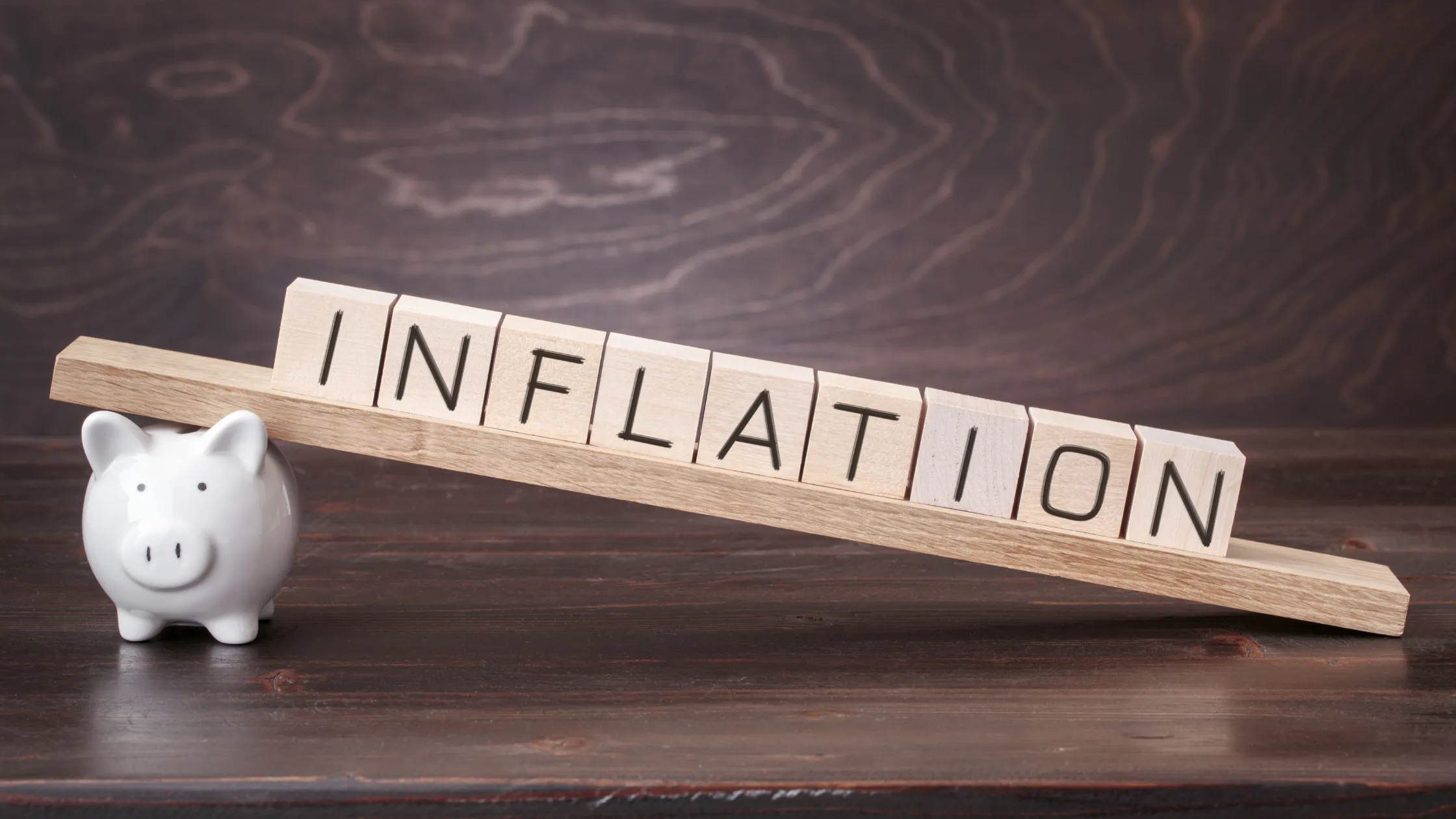
Inflation occurs when there is a sustained increase in the prices of goods and services in an economy.
This phenomenon reduces the value of money over time, meaning that with the same amount of money, you can buy fewer products or services.
In the context of the credit market, inflation directly influences interest rates, which are adjusted to compensate for the loss of purchasing power.
When inflation is high, central banks, such as the Central Bank of Brazil (BACEN), tend to increase the base interest rate, known as Selic.
This increase has a cascading effect on the interest rates charged on loans and financing.
Therefore, consumers end up paying more for the credit they take out, which can make access to credit difficult for many people.
Furthermore, inflation also affects consumers' ability to borrow.
With higher prices, families need to spend more to maintain their standard of living, which can reduce the margin available to pay off debt.
This could lead to an increase in defaults, which in turn could result in a downturn in the credit market.
How Consumers Can Protect Themselves from the Impact of Inflation on the Credit Market
Given the high inflation scenario, it is essential that consumers adopt strategies to protect themselves from the negative effects of the credit market.
One of the first steps is to maintain a good credit history, as this can guarantee lower interest rates, even in periods of high inflation.
Another important strategy is the diversification of income sources.
Having more than one source of income can help offset the effects of inflation,
In this sense, ensuring that the consumer has sufficient resources to pay their debts.
Furthermore, it is crucial to avoid excessive debt, especially during periods of high inflation, when interest rates are higher.
Finally, consumers should be aware of refinancing opportunities.
In some cases, it is possible to renegotiate existing debts to obtain lower interest rates, which can alleviate the impact of inflation on the family budget.
However, it is important to carefully evaluate the terms of the refinancing to ensure that it is truly advantageous.
The Role of Central Banks in Controlling Inflation and the Credit Market
Central banks play a crucial role in controlling inflation and, consequently, the credit market.
The main tool used by these institutions is monetary policy, which involves adjusting interest rates to influence the economy.
When inflation is high, central banks tend to raise interest rates to reduce consumption and investment, which helps control prices.
However, rising interest rates have a direct impact on the credit market.
With higher interest rates, loans and financing become more expensive, which can discourage consumption and investment.
On the other hand, when inflation is under control, central banks can reduce interest rates, which stimulates the credit market and the economy as a whole.
It is important to highlight that central bank decisions do not only affect the credit market.
But also other areas of the economy, such as the stock market and foreign exchange.
Therefore, consumers should be aware of the monetary policies adopted by central banks, as they can have a significant impact on their personal finances.
++ Credit Lines for Solar Energy: Is It Worth Investing?
Impact of Inflation on Different Types of Credit
Inflation affects the different types of credit available on the market in different ways.
For example, personal loans tend to become more expensive during periods of high inflation.
Because interest rates are adjusted to compensate for the loss of purchasing power.
This can make access to credit difficult for many people, especially those with lower repayment capacity.
In the case of real estate financing, the impact of inflation may be slightly different.
Although interest rates also rise, property values tend to rise during periods of inflation, which can offset some of the interest rate increase.
However, this does not mean that mortgages are immune to the effects of inflation, as consumers still have to deal with higher interest rates.
Credit cards are one of the types of credit most affected by inflation.
With extremely high interest rates, credit cards can become a trap for consumers who can't pay their balance in full.
Therefore, it is essential to use your credit card responsibly, especially during periods of high inflation.
Table: Comparison of Interest Rates in Periods of High and Low Inflation
| Credit Type | Interest Rate (Low Inflation) | Interest Rate (High Inflation) | Consumer Impact |
|---|---|---|---|
| Personal Loan | 2% per month | 5% per month | Increase in the cost of credit |
| Real Estate Financing | 8% per year | 12% per year | Increase in installments |
| Credit card | 10% per month | 15% per month | Increase in debt |
How Inflation Affects Credit Demand
Inflation not only affects the supply of credit, but also the demand.
In periods of high inflation, consumers tend to reduce their spending, which can lead to a decrease in demand for credit.
However, in some cases, inflation can increase the demand for credit, especially when consumers need funds to cover essential expenses.
For example, in a scenario of high inflation, the prices of food, fuel, and other essential items may rise significantly.
This may lead consumers to seek loans to cover these expenses, even at higher interest rates.
However, this situation can be dangerous, as it can lead to a cycle of debt that is difficult to break.
On the other hand, inflation can also reduce demand for credit for non-essential spending, such as travel and purchases of durable goods.
With less money available, consumers may choose to postpone these purchases, which can have a negative impact on specific sectors of the economy.
++ Debt Ratio vs. Profitability: What is the relationship between these indicators?
The Impact of Inflation on Default Rates
Inflation also has a significant impact on delinquency rates, which is the percentage of loans that are not repaid within the established timeframe.
During periods of high inflation, consumers may struggle to pay their debts, which can lead to increased defaults.
This increase in defaults could have a negative effect on the credit market.
Because banks and other financial institutions may become more cautious when granting loans.
This may result in a reduction in the supply of credit, which may make it even more difficult for consumers to access credit.
Furthermore, rising defaults may lead to higher interest rates as financial institutions need to offset the risk of not receiving loan repayments.
This creates a vicious cycle, where inflation leads to an increase in defaults.
This in turn leads to an increase in interest rates, which can further worsen consumers' financial situation.
Impact of Inflation on the Credit Market: Conclusion
THE Impact of Inflation on the Credit Market It is a complex issue that requires attention and planning on the part of consumers.
During periods of high inflation, it is essential to adopt strategies to protect personal finances, such as maintaining a good credit history, diversifying income sources, and avoiding excessive debt.
Furthermore, consumers should be aware of the monetary policies adopted by central banks, as they have a direct impact on interest rates and, consequently, the credit market.
Finally, it is important to carefully evaluate the terms of loans and financing, always looking for the best options available.
In short, although inflation can bring significant challenges to the credit market.
Consumers who are well-informed and prepared will be able to navigate this scenario more safely and efficiently.
