
Alternative scoring is gaining traction in credit granting.
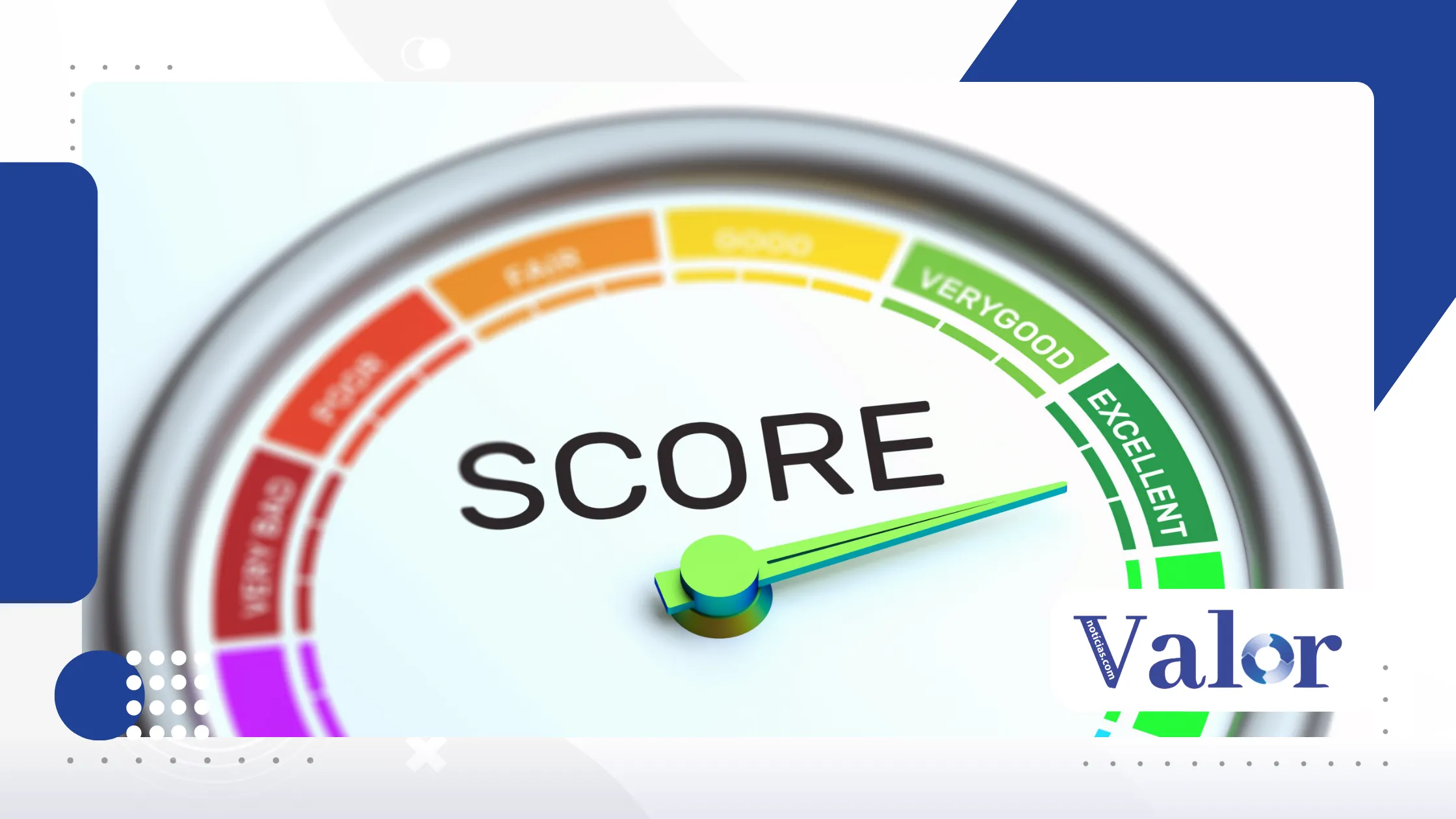
THE alternative score It emerges as the ultimate tool for democratizing financial access in 2026, profoundly transforming risk analysis for modern banking institutions and fintechs.
Advertisements
This new paradigm uses data intelligence to assess consumer behavior beyond traditional payment history.
This allows millions of qualified Brazilians to obtain fair credit, without the constraints of outdated systems.
In this article, we will explore how this technology works, the criteria used by credit bureaus, and the real impact on the inclusion of freelancers and young university students that the conventional market usually ignores.
Summary
- What constitutes the calculation of the current scoring model?
- Why have financial institutions adopted new criteria?
- What are the main data sources used?
- How does this technology benefit the unbanked consumer?
- What precautions should be taken regarding data privacy?
- Comparison: Traditional Model vs. Innovative Model.
- FAQ: Frequently asked questions about credit scores.
What is alternative scoring and how does it work in practice?
Conventional credit analysis relies almost exclusively on negative credit history or positive credit history. Often, this ignores the financial reality of those who simply don't use banks for everything.
THE alternative score uses algorithms of machine learning to process unstructured information. It looks at electricity and water bills, and even how you consume information on digital platforms in your daily life.
This approach allows the lender to see the individual's "paying character." It's a way to give a face and context to those who don't have a decades-long relationship with large banks.
Currently, the accuracy of these models has reduced default rates in specific sectors. The system now identifies patterns of accountability that the cold, hard numbers of the past simply couldn't capture clearly.
Why has the credit market shifted to predictive models?
The economic landscape of 2026 demands greater agility and precision. The worker profile has changed with the growth of... gig economymaking traditional proof of income documents almost a museum piece.
Banks that ignore the alternative score They miss out on great business opportunities. They fail to serve a critical mass of consumers who have real income, but no formal pay stubs.
Competition among digital banks has forced the market to seek smarter forms of segmentation. Using data science now serves to predict risks with much more realistic margins.
To understand how regulations support this transparency, it is worth consulting the guidelines of Central Bank of BrazilThe agency rigorously monitors the evolution of credit practices in the country.
What data sources feed into this new score?
Unlike the old model, which only looked in the rearview mirror, the current system focuses on present behavior. It analyzes cash flow in digital wallets and the consistency in asset usage.
Geolocation data, mobile phone recharge frequency, and streaming subscription punctuality are processed. This builds a much more reliable and less bureaucratic risk profile.
THE alternative score You can also consider educational background or stability on service platforms. It's an extra layer of trust that humanizes the algorithm behind credit analysis.
This diversity of information ensures that the system is resilient to occasional economic fluctuations. The focus has shifted from a snapshot in time to a complete picture of the applicant's financial health.
How can consumers improve their credit profile today?
To improve their score, users must keep their data updated and authorize sharing via Open Finance. Transparency is the new currency for achieving lower interest rates.
Punctuality in paying basic bills has become the new pillar of reliability. This has surpassed in importance the simple credit card limit that the customer has in their wallet.
Using financial management tools integrated with banks helps the algorithm of alternative score Understanding your habits. Planning expenses signals low risk much more convincingly than silence.
Avoiding applying for credit simultaneously at multiple institutions is crucial. Excessive inquiries in a short period are still interpreted by the systems as a warning sign of financial desperation.
What is the impact of technology on national financial inclusion?
Millions of "invisible" Brazilians are now able to finance vehicles, real estate, or obtain working capital. This is because the system has finally learned to interpret the informal economy with a technical and fair perspective.
Technology has reduced the operational cost of analyses. This has allowed institutions to offer personalized products with lower interest rates to those who demonstrate good consumption habits in a fully digital environment.
With the alternative scoreThe barrier to entry is no longer the possession of assets. Now, what counts is the integrity of the financial behavior and the digital consistency of the average citizen.
This fosters a virtuous cycle in the economy. Access to capital generates income, which generates more positive data, feeding back into the system in a sustainable, safe, and much more democratic way.
++ AI-powered credit analysis redefines loan approval.
Comparative Table: Evolution of Credit Models
Below, we present the fundamental differences between the criteria applied a decade ago and the modern methods used by leading fintech and retail banks in today's market.
++ BNPL Market Brazil: The Credit Revolution without a Card
| Analysis Criteria | Traditional Model (Until 2020) | Alternative Model (2026) |
| Database | History of debts and negative credit reports. | Digital behavior and utilities. |
| Inclusion | Focus on those who already have a bank account. | It serves the unbanked and the self-employed. |
| Update | Monthly or quarterly (slow). | Real time via APIs and Open Finance. |
| Predictability | Based on past behaviors. | Based on trends and artificial intelligence. |
| Flexibility | Rigid and based on fixed tracks. | Customized according to the user's profile. |
What are the main challenges regarding the LGPD (Brazilian General Data Protection Law)?
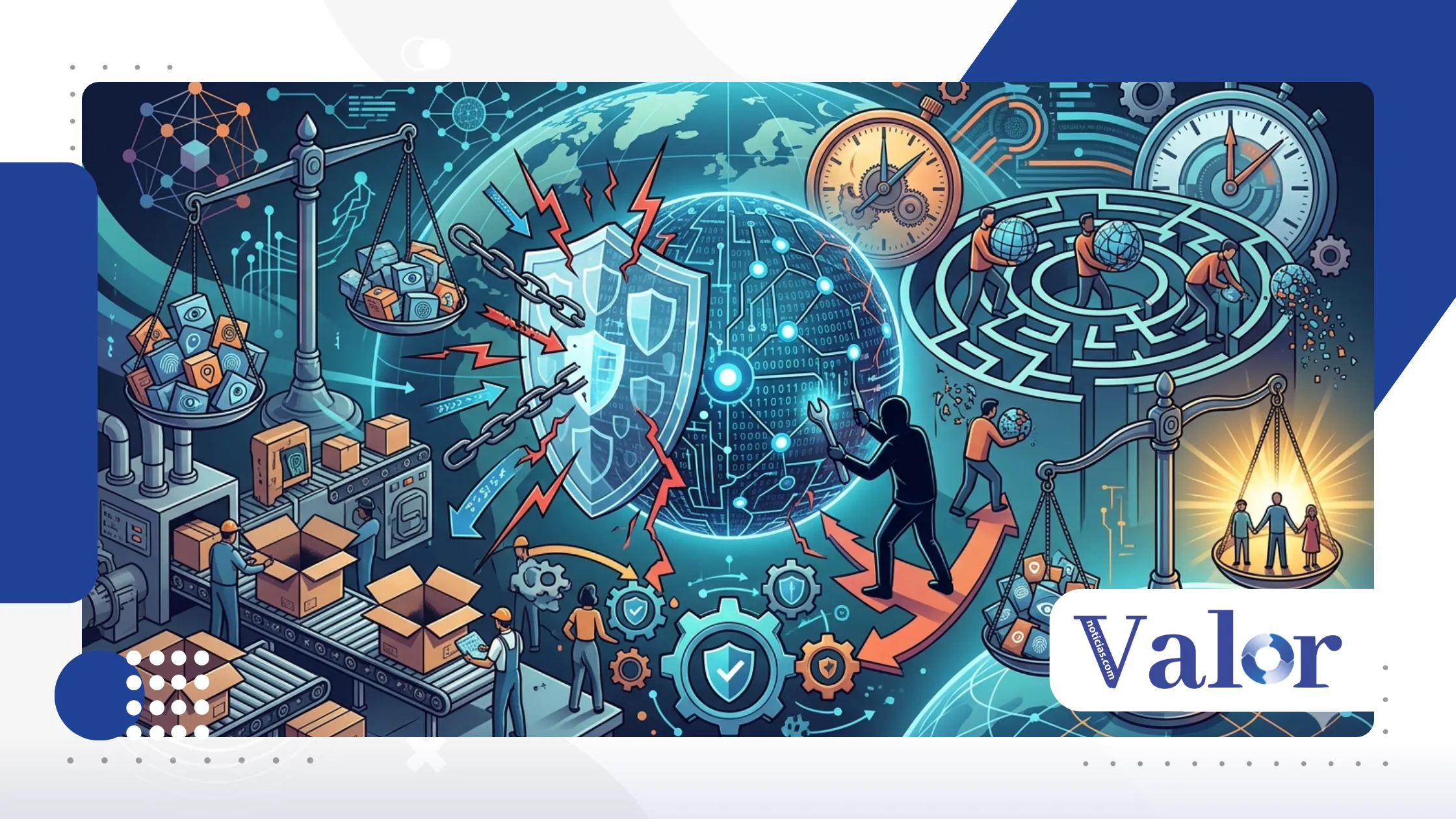
The massive collection of data for the alternative score The company must respect the General Data Protection Law. Consumers need to know exactly what information is being used to judge them.
Companies need to offer complete transparency regarding how scores are calculated. It's necessary to avoid algorithmic bias, which could automatically exclude social groups without any plausible justification.
Cybersecurity is another essential pillar. Leaks of behavioral data would have serious consequences for both the reputation of institutions and the private lives of their clients.
When choosing a platform, check if the company has security seals and clear policies. The handling of sensitive information cannot be a black box inaccessible to the public.
Where can I find the best rates using this new score?
Fintechs and credit unions tend to be the most aggressive in adopting these models. They offer superior conditions compared to large, traditional banks, which are still moving rather slowly.
Platforms Marketplace they use alternative score to connect investors with borrowers. This eliminates intermediaries and reduces the final cost of money in a direct and efficient way for the consumer.
I recommend running simulations on different portals, always paying attention to the Total Effective Cost (TEC). Ease of approval shouldn't mask high administrative fees or abusively included insurance.
The constant evolution of these tools ensures that the market remains dynamic. This forces even the most traditional players to modernize their processes in order not to lose relevance in day-to-day operations.
++ Digital credit trends for the coming years
The future of risk analysis is behavioral.
The maturation of alternative score This represents a milestone in the Brazilian economy. It proves that technology can be a powerful ally in reducing historical inequalities in access to capital.
By valuing individual responsibility in daily life, the system becomes fairer. It rewards those who maintain an organized life, regardless of whether they have a formal employment contract or assets.
The trend for the coming years is even greater integration with biometrics and blockchain. This will increase the security and speed of transactions throughout the country.
To stay up-to-date on the latest news about the sector and understand your rights, visit the portal of FebrabanThe organization leads discussions on innovation and ethics in the national financial system.
FAQ: Frequently Asked Questions
Does the alternative score replace the traditional score?
Not exactly. They work in a complementary way. The innovative model fills the gaps left by the traditional system to offer a complete and fair view of the customer profile.
Does having many social media accounts help your credit score?
What matters is not social presence itself, but data consistency. Professional networks can help prove employment and job stability in specific cases.
Is it safe to share my consumption data?
Yes, provided the institution complies with the LGPD (Brazilian General Data Protection Law). Sharing via Open Finance is a regulated system that guarantees full control and user consent.
Why does my score vary between different credit bureaus?
Each analysis firm uses its own algorithms and assigns different weights to each piece of information. This results in scores that vary according to the methodology applied by each financial institution.
Can I dispute a score that I consider low?
Every consumer has the right to request a review of their analysis. It is essential to understand what factors are affecting their score and to correct any incorrect information with the relevant authorities.
