
Credit score in 2026: what really matters in the analysis?
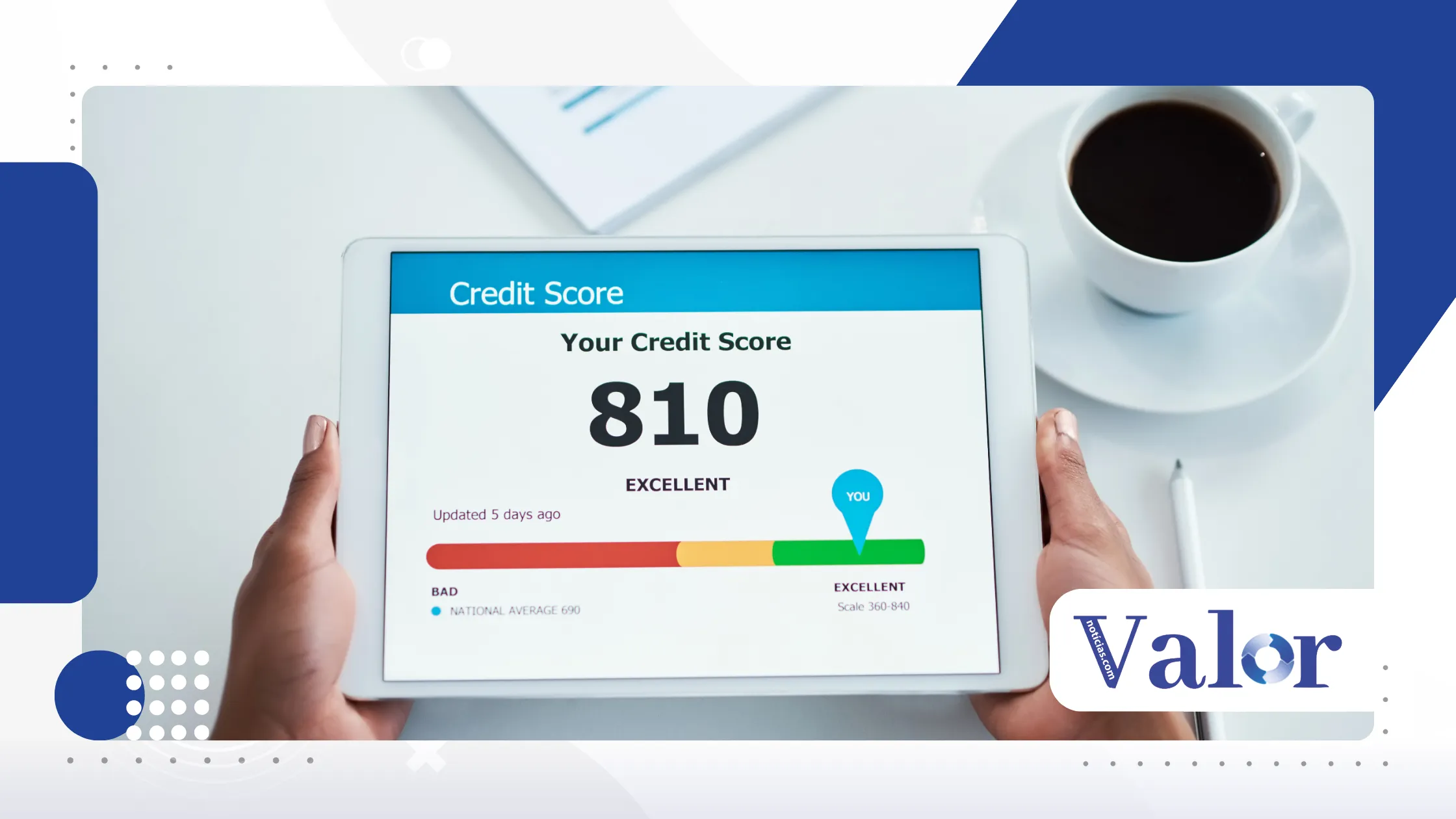
THE credit score in 2026 It has become one of the most dynamic pillars of Brazilians' financial health, requiring increased attention to new digital assessment criteria.
Advertisements
In this article, we explore the profound transformations that the credit market has undergone, from the consolidation of Open Finance to the real weight of payment history.
You will understand how financial institutions now use data intelligence to price risks and how to maintain a high credit score to secure the best rates on the market.
Summary
- The evolution of score calculation in 2026
- The real impact of Open Finance on your score.
- Weighting criteria: what most influences your CPF (Brazilian taxpayer ID number)?
- How consumer behavior shapes your profile.
- Practical tips to quickly improve your score.
- Comparative table of weights in the score
- FAQ: Frequently asked questions about credit
What changed in the calculation of credit scores in 2026?
Credit analysis in Brazil has reached a new level of technical sophistication, leaving behind models that focused exclusively on past defaults.
Today, the credit score in 2026 It reflects a connected ecosystem, where the speed of financial information dictates the pace of real-time approvals.
Unlike previous years, the system now values the consumer's "resilience capacity," analyzing not only whether they pay, but also how they manage their finances.
The Central Bank has implemented regulatory updates that allow for greater fluidity in data portability, making the Positive Credit Registry the absolute protagonist of healthy credit scores.
Currently, ignoring digital banking may be the biggest mistake for those seeking cheap credit.
Credit bureaus have integrated tools that capture immediate behaviors, drastically reducing the response time between a positive action (such as paying off a debt via Pix) and an increase in the credit score.
+ The invisible credit: how small financial decisions affect big approvals in the future.
What is the weight of Open Finance in credit analysis?
Data sharing via Open Finance has gone from being a promise to becoming a competitive differentiator for those who possess a good [strategy/approach]. credit score in 2026.
By authorizing access to your history, you allow AI models to identify your "invisible income" and your punctuality at various banks.
This transparency reduces information asymmetry, allowing even people with low formal income to obtain significant credit limits by demonstrating good financial habits.
However, the connection is a two-way street. While it reveals your organization, it also exposes excessive use of overdraft facilities or expenses that are inconsistent with your monthly income.
The balance between what you earn and how you spend has never been so closely monitored by financial institutions.
What are the main factors contributing to the current score?
To understand the credit score in 2026It is essential to dissect the components that make up the 1,000 possible points on most credit protection platforms.
Prompt payment of utility bills (electricity, water, and telephone) remains the most statistically significant factor.
- Income Commitment: The level of debt in relation to what you earn.
- Relationship Length: The age of your active bank accounts and credit cards.
- Frequency of Consultations: How many times have companies looked up your CPF (Brazilian tax identification number) in the last 90 days?
- Credit Diversity: Having different types of contracts (credit card, financing, loan) well managed.
Market evolution has brought greater sensitivity to "liquidity risk." This means that, even without overdue debts, if you simultaneously use many credit cards at their limit, the system interprets this as an imminent risk, which can stagnate or reduce your credit score.
How does consumer behavior affect your risk profile?
The credit market now assesses the quality of your consumption, and your credit score in 2026 reacts to specific behavioral patterns.
The frequent use of long-term payment plans, for example, can signal an excessive reliance on credit to maintain basic living costs.
Modern institutions prefer customers who use credit as a convenience tool, not as an extension of their salary.
Keeping credit card limit usage below 30% of total capacity is a recommended technical strategy to signal superior financial control and attract offers of reduced interest rates.
Furthermore, frequent registration updates prevent noise in data analysis. Simple errors, such as outdated addresses or old phone numbers, can generate inconsistency alerts, harming the final calculation. Data accuracy is the basis of trust between the creditor and the borrower.
Table: Distribution of Weights in Credit Score in 2026
Below, we present an average structure based on current metrics used by the main credit protection agencies in Brazil.
| Assessment Pillar | Estimated Weight (%) | Impact on Score |
| Payments Up-to-Date (Positive Credit History) | 45% | Most High |
| Debt History and Negative Credit Reports | 20% | High |
| Credit Usage Time | 15% | Average |
| CPF (Brazilian Individual Taxpayer Registry) inquiries by companies. | 10% | Low |
| Registration Data and Open Finance | 10% | Growing |
Data based on 2026 market metrics for individual profiles.
How to sustainably increase your credit score in 2026?
If you want to raise your credit score in 2026The first golden rule is the centralization of payments in digital channels that feed into the Positive Credit Registry.
Activate automatic debit for recurring bills, ensuring that no one-off oversight penalizes your payment history for months.
Another advanced technique involves performing an immediate "clearing of name" (removal of negative entries). With the integration of payments via Pix, the removal of negative entries occurs in minutes, and the credit score tends to react much faster than in the old five-business-day bank clearing models.
Also avoid the common mistake of canceling old cards. The average age of your accounts is an indicator of stability; accounts with more than five years of uninterrupted history convey security to risk algorithms, serving as a "trust anchor" for your profile.
Expert Tip: The use of digital wallets and banking connections via credit apps can generate an immediate gain in points by verifying transactions that were previously invisible to traditional credit bureaus.
Conclusion
Maintain a good credit score in 2026 It requires more than just being debt-free; it demands active management of your digital financial identity.
With the consolidation of Open Finance and data intelligence, consumers gain negotiating power, provided they know how to present their habits strategically.
Transparency and punctuality are the most valuable currencies in this new scenario. By following the pillars of organization and diversification presented here, you not only improve your numbers, but also open doors to a financial future with much more autonomy and savings.
To understand more about how the current economic scenario impacts your income, follow the detailed analyses on the portal of Serasa Financial Education.
FAQ: Frequently Asked Questions
Why isn't my credit score going up even though I pay my bills on time?
THE credit score in 2026 It considers the total commitment of income. If you have many active loans, the system understands that your margin for new credit is low, locking your score.
Does checking my own CPF (Brazilian tax identification number) lower my credit score?
No. Checking your own CPF (Brazilian taxpayer ID) on official platforms is a right and does not lower your score. What can reduce your score are checks made by banks when you apply for new products.
How long does it take for your credit score to improve after clearing your name?
With the technology of 2026, the update can be almost immediate or take up to 15 days, depending on how quickly the creditor sends the settlement information to the system.
Is Open Finance a safe way to improve your credit score?
Yes, Open Finance is regulated by the Central Bank and allows you to have complete control over what data you share, making it one of the most effective ways to demonstrate good financial health.
