
What are the main types of properties to invest in?
Main types of properties to invest in: Real estate continues to be one of the most solid options for those seeking long-term investments.
Advertisements
However, choosing the ideal type of property to invest in requires strategic analysis, understanding the market, and alignment with financial objectives.
After all, investing in real estate isn't just about buying a physical asset; it's about investing in an asset that can generate passive income, increase in value, or both.
So what are the main types of properties to invest in?
Continue reading and find out everything about it:
Main types of properties to invest in

To begin with, it's essential to understand that the real estate market is dynamic and influenced by factors such as location, demand, and economic trends.
Therefore, choosing the right property depends on a careful analysis of the context.
See also: What Open Finance is changing about access to credit
In this sense, we will address the main types of investment properties, residential, commercial, rural and alternative, highlighting their advantages, challenges and return potential.
Additionally, we'll provide an analogy to illustrate the logic of investing, original examples of successful strategies, relevant statistics, and a table of frequently asked questions to clarify the most common points.
Why is investing in real estate still so attractive?
Perhaps because, like a fine wine, the right property can appreciate in value over time, bringing consistent returns.
Let's dive into the details and discover how each type of property can be the key to your financial success.
Residential Real Estate: The Solid Foundation of Real Estate Investment
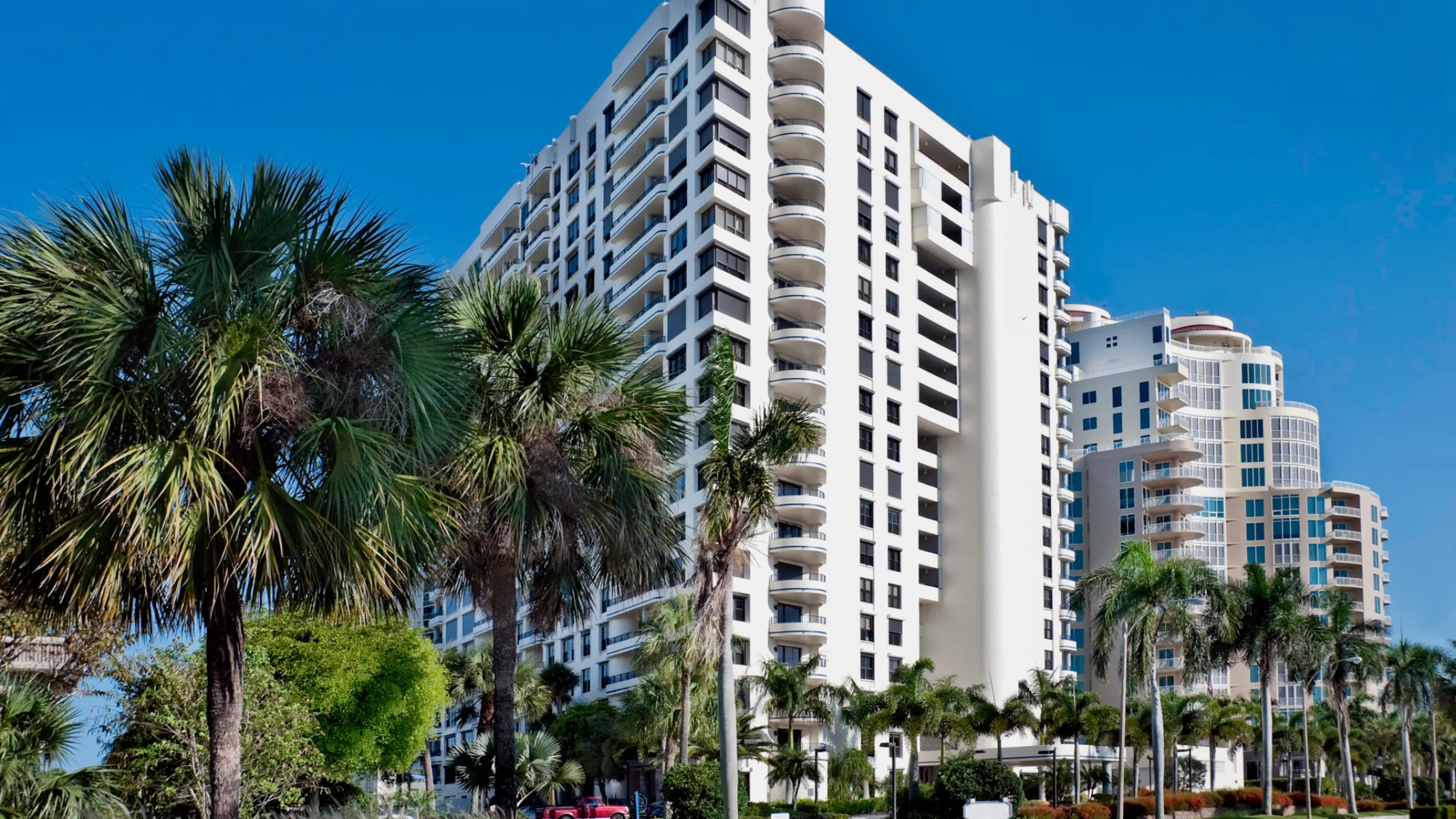
You real estate Residential properties, such as houses, apartments and studios, are often the first choice of investors, especially beginners.
This is because the demand for housing is perennial, everyone needs a place to live.
Furthermore, the versatility of these properties allows for both rental income generation and long-term asset appreciation.
For example, apartments in metropolitan areas, such as São Paulo or Recife, tend to have high liquidity due to the constant demand for rentals and sales.
A crucial point is segmentation within the residential market.
Compact studios in central urban areas attract young professionals and students, while homes in family-friendly neighborhoods are ideal for long-term rentals.
However, the investor must consider factors such as local infrastructure, proximity to services and demographic trends.
For example, an investor named João acquired a 30 m² studio in downtown Florianópolis for R$1,400,000 in 2023.
With a clever renovation, he transformed it into a modern short-term rental space on Airbnb, generating a monthly income of R$4,500, with an average occupancy of R$801,300.
This strategy shows how focusing on specific niches, such as tourism, can maximize returns.
However, residential properties are not without challenges.
Vacancy, for example, can be a risk in saturated markets.
Furthermore, maintenance and condominium costs can erode profitability if not well planned.
Therefore, before investing, it is essential to analyze the balance between supply and demand in the chosen region.
A study by Fipe (Economic Research Institute Foundation) revealed that, in 2024, residential rent in large Brazilian capitals had an average increase of 7.2% per year, exceeding inflation.
This statistic reinforces the potential for passive income, but also highlights the importance of choosing properties in strategic locations.
Commercial Real Estate: The Potential for High Returns
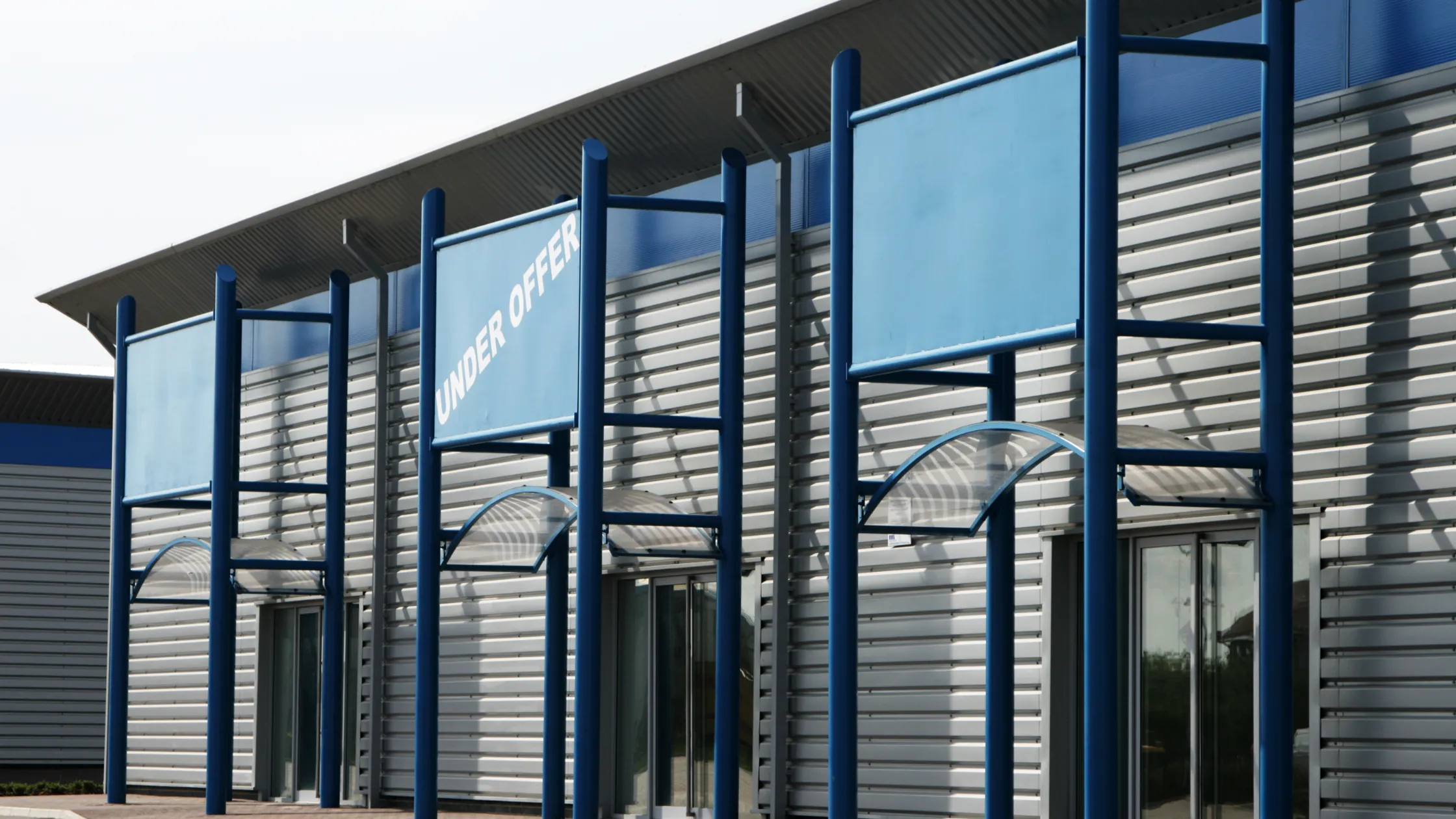
Commercial properties, such as offices, shops, and warehouses, offer an attractive alternative for investors willing to take calculated risks.
Unlike residential properties, these properties tend to have longer rental contracts and higher prices, which guarantees financial stability.
++ Investing in Real Estate with Friends: Advantages and Pitfalls
For example, a store in a busy shopping district may attract tenants like franchises or small businesses, who value visibility and customer traffic.
An interesting case is that of Mariana, an investor who acquired a 50 m² commercial space in a corporate building in Belo Horizonte for R$1,000,000.
She rented the space to a tech startup for R$ 6,000 per month, with a five-year contract.
The location close to universities and innovation hubs was decisive for the high demand.
Furthermore, commercial properties have the advantage of being less affected by the seasonality of the residential market, as companies tend to maintain stable contracts.
On the other hand, investing in commercial real estate requires greater initial capital and a detailed analysis of the local market.
Vacancy may be longer, especially during periods of economic recession when companies reduce operations.
Furthermore, property appreciation may be less predictable than for residential properties.
Therefore, it is essential to study the economic profile of the region and look for properties in areas with strong commercial activity.
A useful analogy is to think of investing in commercial real estate like planting a fruit tree: it requires initial care, but over time, the fruit can be abundant and consistent.
Rural Real Estate: Opportunities on the Land
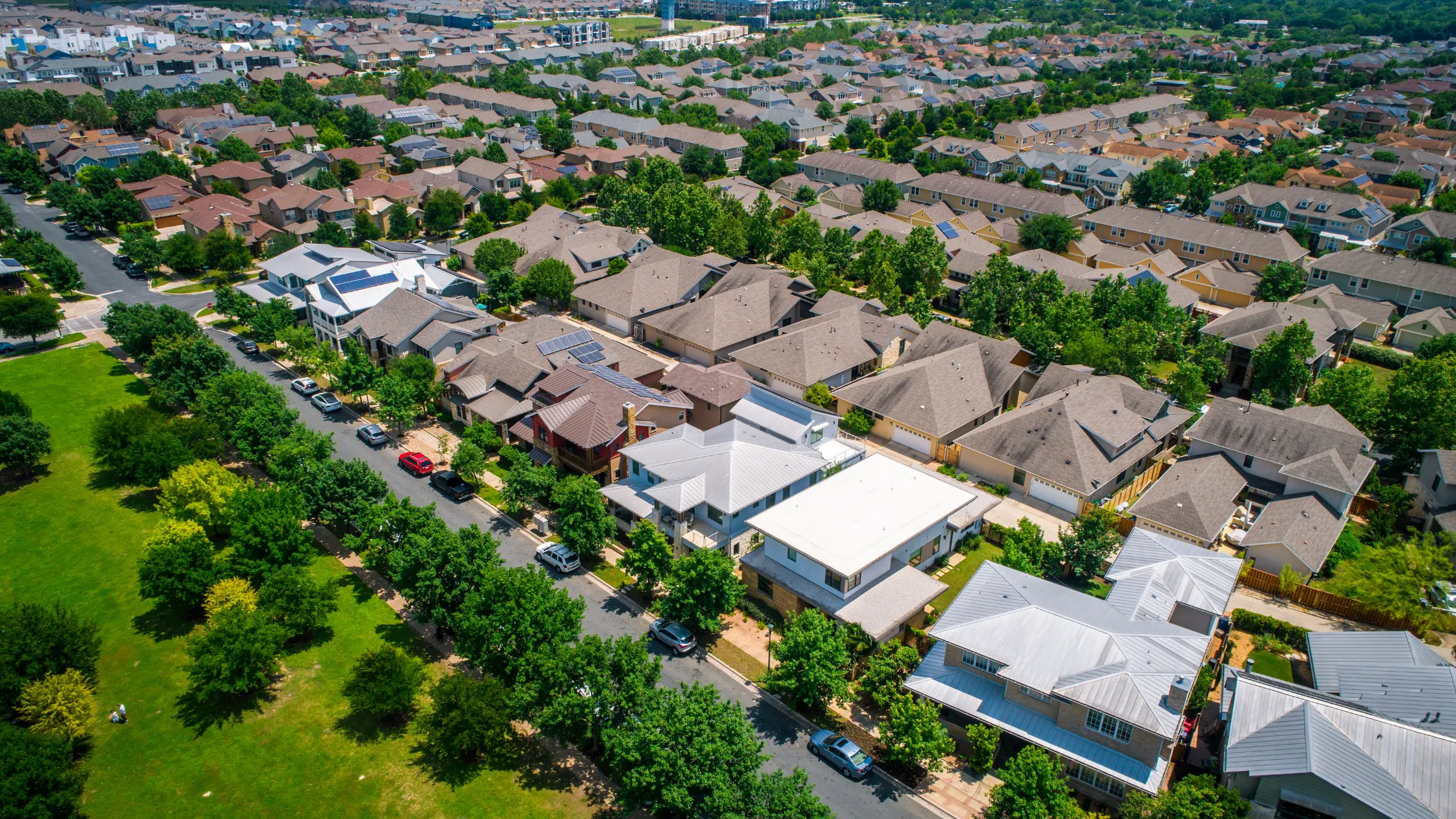
Rural properties, such as farms, ranches, and agricultural land, are gaining prominence in Brazil, especially with the growth of agribusiness.
These properties offer unique opportunities, such as leasing for agricultural or livestock production, as well as potential for long-term appreciation.
For example, land in regions such as Matopiba (Maranhão, Tocantins, Piauí and Bahia) has attracted investors due to its high agricultural productivity.
A practical example is the case of Pedro, who invested R$1.2 million in a 50-hectare rural property in the interior of Goiás.
He leased the land to a soybean cooperative, guaranteeing an annual income of R$ 120 thousand, with a 10-year contract.
Furthermore, land appreciation in the region has been 12% per year over the past five years, according to local market data.
This case illustrates how rural properties can combine passive income with capital gains, especially in areas with a strong agricultural vocation.
However, investing in rural properties requires technical knowledge and attention to factors such as soil quality, access to infrastructure, and environmental regulations.
Furthermore, the liquidity of these properties tends to be lower, as sales can take longer than in urban areas.
Therefore, it is crucial to conduct rigorous due diligence before investing.
By the way, have you ever stopped to think why the countryside, so far from the glamour of the cities, could be one of the most promising investments of the next decade?
Alternative Properties: Diversification and Innovation
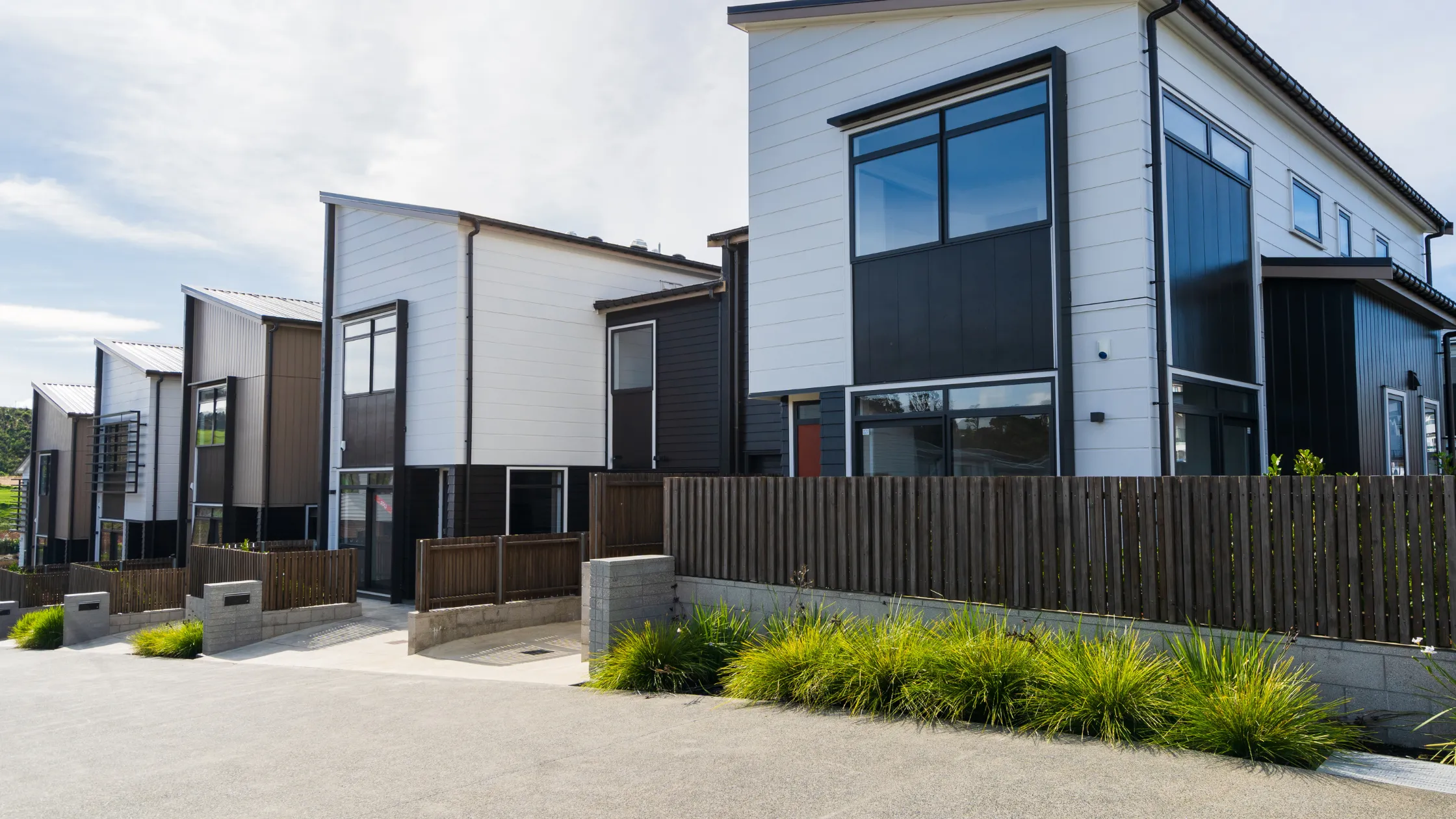
Alternative properties, such as logistics warehouses, coworking spaces, and student residences, represent a new frontier in the real estate market.
With the rise of e-commerce and changes in social behavior, these assets have become increasingly attractive.
For example, logistics warehouses near large urban centers are on the rise due to the demand for fast distribution centers, driven by companies like Amazon and Mercado Livre.
Furthermore, another example is investment in student residences.
In university towns like Campinas, where there is a high concentration of students, these properties offer consistent returns.
An investor named Ana transformed a 200 m² house into a student residence with eight bedrooms, renting each one for R$ 1,200 per month.
With an average occupancy of 90%, it generates R$ 9,600 per month, covering the initial investment of R$ 800,000 in less than seven years.
This model demonstrates how creativity can transform a traditional property into an innovative source of income.
Despite the potential, alternative properties require a detailed analysis of market trends and target audience behavior.
Managing these properties can also be more complex, especially in cases like coworking spaces, which require constant maintenance and marketing strategies.
Therefore, the investor must be prepared to adapt quickly to changes.
Think of these properties like a puzzle: each piece needs to fit together perfectly to create a successful image.
Comparison of the Main Types of Properties for Investment
To make your decision easier, the table below compares the main types of properties based on key criteria:
| Property Type | Advantages | Challenges | Average Return (Rent) | Liquidity |
|---|---|---|---|---|
| Residential | High demand, easy resale | Maintenance, vacancy in saturated markets | 4-7% per year | High |
| Commercial | Longer contracts, higher income | High initial capital, vacancy risk | 6-10% per year | Average |
| Rural | High appreciation, rental income | Low liquidity, technical knowledge | 5-12% per year | Low |
| Alternative | Trending niches, innovation | Complex management, dependence on trends | 7-15% per year | Average |
This table provides a clear overview of the characteristics of each type of property, helping investors align their choices with their objectives and risk tolerance.
Main types of properties to invest in: Frequently Asked Questions
The following table answers the most common questions about main types of properties to invest in, offering clarity for both novice and experienced investors:
| Doubt | Response |
|---|---|
| What is the safest type of property for beginners? | Residential properties, due to high demand and greater liquidity, are ideal for those just starting out. |
| Are commercial properties worth investing in during times of crisis? | Yes, as long as they are located in strategic areas, but it is crucial to analyze the economic stability of the region. |
| How to assess the profitability of a rural property? | Consider the lease value and historical appreciation of the land, as well as costs such as taxes and maintenance. |
| Are alternative properties risky? | They may be, but diversification and market trend analysis significantly reduce risk. |
| What is the average return on investment? | It depends on the type: residential (5-10 years), commercial (7-12 years), rural (10-15 years), alternative (5-10 years). |
Main types of properties to invest in: Conclusion
Investing in real estate is like sailing the ocean: it requires planning, knowledge of the currents, and patience to reach your destination.
You main types of properties to invest in residential, commercial, rural and alternative, offer unique opportunities, but each requires a strategic approach.
While residential properties guarantee stability, commercial properties offer robust returns, rural properties combine income and appreciation, and alternative properties bring innovation.
With the right analysis, it is possible to transform any of these assets into a source of sustainable wealth.
Therefore, before investing, evaluate your goals, the local market, and long-term trends.
In short, use tools like the comparison table presented and seek expert guidance if necessary.
After all, the right property is not just a physical asset, but a strategic step towards your financial independence.
What will be your next move in this market full of possibilities?
