
Land Investments: Why This Asset Has Re-Attracted Attention
In recent years, the land investments have gained prominence on the radar of investors, from the most experienced to those who are just beginning to explore the financial and real estate markets.
Advertisements
Unlike other assets, such as stocks or mutual funds, land offers a unique combination of stability, appreciation potential, and flexibility.
But what is behind this resurgence?
Why, in a world dominated by digital and volatile investments, has land, something so tangible and, at first glance, simple, become so attractive again?
This article explores the reasons behind this phenomenon, providing solid arguments, practical examples, an illuminating analogy, and data that support the relevance of this market.
1. Stability in Times of Uncertainty

In a global economic scenario marked by instabilities, such as fluctuating inflation and geopolitical crises, investments on land emerge as a safety anchor.
Unlike financial assets that fluctuate based on central bank decisions or international headlines, land is a physical asset that does not disappear with stock market crashes.
This feature makes them an attractive choice for those looking to protect their assets against volatility.
Furthermore, the supply of land is finite, especially in expanding urban areas, which reinforces its appreciation over time.
Furthermore, another factor that contributes to this stability is the absence of significant recurring costs.
Unlike real estate built, which require maintenance, taxes such as high property tax (IPTU) and renovation expenses, land requires minimal care.
For example, an investor who purchases a lot in a developing area can simply wait for the value to appreciate without worrying about monthly expenses.
This makes the investment accessible even for those who do not have large financial reserves but want to enter the real estate market.
It is worth noting that the stability of the land does not mean the absence of risks.
Issues such as inappropriate location or legal issues can jeopardize the return.
However, with due diligence, such as checking the documentation and growth potential of the region, the investor can minimize these risks.
In short, the solidity of the land investments lies in its ability to offer security in a world where few assets can maintain this attribute.
2. Valuation Potential and Market Opportunities

One of the biggest attractions of the land investments is the potential for appreciation, especially in areas undergoing urbanization.
When a city expands its infrastructure, such as roads, public transportation, or new shopping centers, nearby land tends to appreciate exponentially.
++ What is Vacation Rental and How to Profit from It?
For example, imagine an investor who acquired a lot in a peripheral region of a large Brazilian city, such as Goiânia, in 2015.
At the time, the land cost R$ 50 thousand.
With the arrival of a new shopping center and the widening of a nearby highway, the same lot today could be worth R$150,000, a return of R$1,000,000 in a decade.
Additionally, land offers flexibility for different investment strategies.
An investor can choose to hold the land until its appreciation reaches a desired level or use it to build and sell properties, multiplying the return.
Furthermore, another practical example: Ana, a small investor, bought a plot of land in a city in the interior of São Paulo for R$1,000,400.
After three years, with the arrival of a university in the region, she sold the lot for R$ 120 thousand, making a significant profit without any construction.
This versatility makes land an attractive option for different investor profiles.
To support this analysis, a relevant statistic: according to the Brazilian Association of Real Estate Developers (Abrainc), the average price of land in urban areas grew 12% per year between 2018 and 2023, exceeding inflation in the same period.
This data reinforces the potential for gains, especially in regions with ongoing urban planning.
Thus, the land investments are not just a bet on appreciation, but a strategy based on market trends.
3. The Analogy of the Land as a Wine for Aging
Investing in land can be compared to purchasing a wine for aging: both require patience, but over time, they deliver exceptional results.
Just as a wine needs years to reach its peak, a piece of land requires waiting to reach its maximum value.
However, unlike wine, which can spoil if stored poorly, well-chosen land tends to appreciate in value regardless of external conditions, as long as the location is strategic.
This analogy highlights the long-term nature of land investments, which reward those who know how to wait.
This comparison also illuminates another aspect: initial quality matters.
A low-quality wine will never achieve exceptional flavor, just as a plot of land in an area with no growth prospects will hardly yield significant returns.
Therefore, choosing the land requires careful analysis: location, local infrastructure and development trends are the “ingredients” that define the potential for appreciation.
The question then arises: why invest in something volatile when you can choose an asset that, over time, only tends to gain value?
This strategic patience is particularly attractive to investors looking to diversify their portfolios.
While stocks can fluctuate daily and cryptocurrencies face extreme volatility, land offers a more predictable trajectory, especially in growth markets.
Thus, investors who adopt the “wine for storage” mentality can reap significant rewards, transforming a modest initial investment into a robust source of wealth.
4. Factors Driving Current Interest
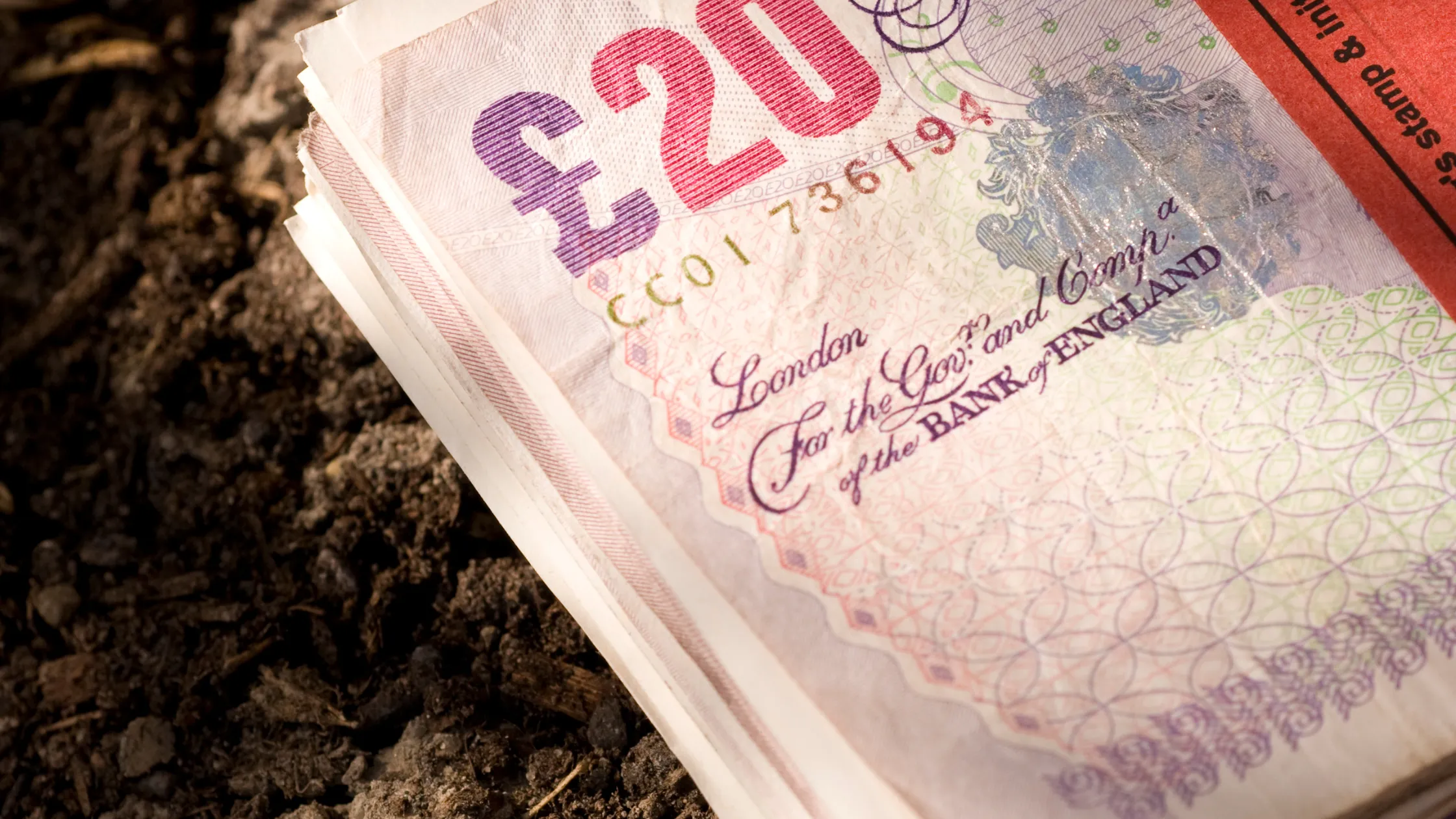
The resurgence of land investments It is not an isolated phenomenon, but the result of structural changes in the market and society.
One of the main drivers is the search for tangible investments in an increasingly digital world.
With the rise of assets like NFTs and cryptocurrencies, many investors have begun to value the security of physical assets, like land, that don't depend on technology platforms or passing trends.
This trend is reinforced by growing urbanization in Brazil, where medium-sized cities such as Florianópolis and Campinas are expanding rapidly.
Another factor is the increased demand for housing, driven by population growth and migration to metropolitan areas.
Land in areas close to major centers or with commercial development potential becomes a target for attentive investors.
Furthermore, public policies, such as tax incentives for construction and housing programs, have boosted the real estate market, directly benefiting the land sector.
These dynamics create a virtuous cycle, where demand for lots drives their appreciation.
Finally, ease of access to the land market also contributes to its popularity.
Unlike other real estate investments, such as commercial buildings, land has a lower initial cost, allowing investors with different financial capabilities to participate.
With specialized digital and real estate platforms, acquiring land has become simpler, with transparent information about location, documentation, and potential return.
Thus, the land investments combine accessibility with high potential, attracting a new generation of investors.
5. Risks and How to Mitigate Them
Although the land investments are attractive, it's essential to recognize the risks involved. One of the main challenges is choosing a location.
Land in an area with no prospects for development can remain stagnant for years, compromising returns.
To mitigate this risk, it is crucial to conduct a detailed analysis of the city's master plan, planned infrastructure, and growth trends.
For example, land near a highway under construction is more likely to appreciate in value than land in an isolated area.
Furthermore, another risk is the legal issue.
Documentation issues, such as irregular registrations or ownership disputes, can turn a promising investment into a headache.
Before closing a deal, it's essential to hire a specialized lawyer to check the property's registration, clearance certificates, and any restrictions.
In this sense, this due diligence can avoid significant losses and guarantee the security of the investment.
Finally, liquidity is a factor to consider.
Unlike stocks, which can sell quickly, land can take months or even years to find a buyer, especially in slower markets.
To get around this, investors can focus on regions with high demand or consider strategies such as partnerships with construction companies.
In short, with planning and research, the risks associated with land investments can be managed, maximizing the chances of success.
6. Table of Advantages and Disadvantages of Land Investments
| Aspect | Advantages | Disadvantages |
|---|---|---|
| Initial Cost | Generally lower than constructed properties, accessible to different profiles. | May require considerable initial investment in valued areas. |
| Maintenance | Low or no maintenance costs, unlike constructed properties. | Risk of invasions or degradation on unmonitored land. |
| Appreciation | High potential in developing areas, with long-term returns. | Dependent on external factors such as infrastructure and local demand. |
| Liquidity | It can be sold to construction companies or investors in hot markets. | Lower liquidity compared to financial assets such as stocks. |
| Risk | Low risk of devaluation in strategic areas. | Legal risks or inappropriate location selection. |
This table summarizes the main points to consider, helping investors weigh the pros and cons before entering the market.
7. Frequently Asked Questions about Land Investments
| Question | Response |
|---|---|
| When is the best time to invest in land? | Ideally, invest in areas with developing infrastructure, such as new highways or commercial hubs. Research the city's master plan. |
| Is land better than built properties? | It depends on the objective. Land has lower initial and maintenance costs, but real estate can generate immediate income through rentals. |
| How to check the legality of a plot of land? | Hire a lawyer to review the registration, clearance certificates, and possible environmental or urban planning restrictions. |
| Is it possible to finance the purchase of land? | Yes, some institutions offer financing, but conditions vary. Check with banks or credit unions. |
| How long does it take for land to appreciate in value? | It depends on the location and development of the region. In expanding areas, appreciation can occur in 3 to 5 years. |
This table answers the main questions, offering clarity for those considering the land investments.
Land Investments: Conclusion
You land investments have once again attracted attention for a simple reason: they combine stability, appreciation potential and accessibility in an increasingly dynamic market.
Whether it's the security of a tangible asset or the promise of robust returns in growing areas, land offers a unique opportunity for investors looking to diversify their portfolios.
With proper research and planning, it is possible to turn a modest initial investment into a significant source of wealth.
The analogy of aging wine reinforces the importance of patience and strategic choice, while real-life examples, such as those in Goiânia and the interior of São Paulo, show that the potential is concrete.
The 12% annual appreciation statistic, according to Abrainc, confirms that the land investments are not just a trend, but a grounded strategy.
Therefore, for those seeking an investment that combines solidity and opportunity, land is, without a doubt, a choice worth considering.
And you, are you ready to plant the seed of your financial future in promising soil?
