
Government postpones decision on removing gasoline subsidy.

THE gasoline subsidy It remains in effect at Brazilian gas stations due to a strategic decision by the Ministry of Finance.
Advertisements
Instability in the international oil market forced an abrupt change in national economic planning.
Due to external inflationary pressures, the official announcement regarding fuel taxation ended up being postponed.
This decision directly impacts consumers' wallets and the country's fiscal projections for the second half of the year.
The volatility of Brent crude oil prices has triggered a red alert at the Presidential Palace.
Therefore, analyzing the current scenario helps to understand the next steps for the national economy.
To make it easier for you to read and navigate this complex landscape, we have prepared a structured guide.
The summary below details all the central questions that will be answered throughout this special article.
Discover below how this provisional measure alters the financial dynamics of the national automotive market.
Article Summary
- Why did the government postpone the decision on the gasoline subsidy?
- What is the impact of the crisis in the Middle East on the price of Brent crude?
- How does maintaining the subsidy affect inflation and the consumer?
- When will there be a final decision on the end of the discount?
- What changes in the competition with ethanol and biofuels?
Why did the government postpone the decision on the gasoline subsidy?
The federal economic team intended to announce the end of the financial benefit for fuels earlier this week.
However, the sharp rise in international oil prices forced the management committee to immediately reassess its fundraising strategy.
The technical rollback prevents the immediate pass-through of this heavy fluctuation to the final price charged at the pumps.
The change in the original schedule for tax reinstatement occurred to protect the transportation sector from unwanted disruptions.
The Ministry of Finance's priority has shifted to macroeconomic stability at the expense of the fiscal target.
Executive Secretary Dario Durigan explained that prudence should guide government actions at this critical time.
An untimely withdrawal of tax incentives would generate an immediate ripple effect on producer price indices.
Thus, daily monitoring of global prices will dictate the course of national energy policy.
What is the impact of the crisis in the Middle East on the price of Brent crude?
Recent conflicts involving military powers in the Persian Gulf region have spooked major global financial markets.
Reciprocal attacks and logistical threats in the region have disrupted the flow of cargo ships on crucial trade routes.
The result was a surge in the price of Brent crude oil to levels far exceeding annual projections.
International prices rose more than five percent in a single trading session last Wednesday.
Global oil companies have revised their operating margins, passing on the risk premium to energy futures contracts.
Since the domestic market operates under the international parity regime, the impact on refineries would be immediate.
Postponing the tax reform serves to decouple the domestic market from a short-term international speculative bubble.
The federal government is seeking to buy time until diplomacy calms tensions in the global supply chain.
How does maintaining the subsidy affect inflation and the consumer?
Ensuring the continuation of the forty-four cent per liter discount eases the budget of Brazilian families.
The driver notices the effect of this measure when refueling the vehicle without the expected increase for this month.
Maintaining gasoline subsidy It acts directly in controlling the Broad Consumer Price Index.
The rise in fuel prices has a dangerous multiplier effect, as it increases the cost of transporting food and basic goods.
Holding off on this price adjustment at the refineries prevents service sector inflation from gaining momentum at the start of this quarter.
The purchasing power of the low-income population remains protected thanks to the continued economic subsidy.
On the other hand, economists warn that the fiscal cost of this postponement will put pressure on public finances in the long term.
The funds to cover the discount come directly from the federal government's treasury, increasing the projected primary deficit.
Balancing inflation control with fiscal responsibility is a challenge for the Republic's budget planners this year.
+ Demand for service and experience-based consortiums is growing.
When will there be a final decision on the end of the discount?
The economic team at the Ministry of Finance intends to resume technical discussions early next week.
A new extraordinary meeting of the National Energy Policy Council will determine whether the withdrawal will be gradual or complete.
Everything will depend on how the commodity behaves in the European spot market over the next few business days.
If the international scenario shows clear signs of cooling down, the withdrawal of gasoline subsidy It will be executed immediately.
The model adopted should follow the same pattern applied to diesel fuel, which had its discount eliminated.
Government experts prefer a two-stage transition to dilute the tariff impact on distributors.
The exact timeline will depend on reports from the National Petroleum Agency regarding the actual profit margins practiced by the companies.
The current certainty is that the government will not sustain the benefit if oil prices stabilize at high levels.
Below, we present the compiled official data on the current structure of government subsidies and a comparative overview of fuel prices.
+ Instant offline payments enter a new testing phase.
| Fuel | Subsidy Value (per liter) | Status of the Measure | Date of Last Change |
| Regular Gasoline | R$ 0.44 | Extended pending review | July 2026 |
| Diesel Oil | R$ 0.35 | Completely closed. | July 1, 2026 |
| Hydrated Ethanol | R$ 0.02 | Maintained without changes. | June 2026 |
What changes in the competition with ethanol and biofuels?
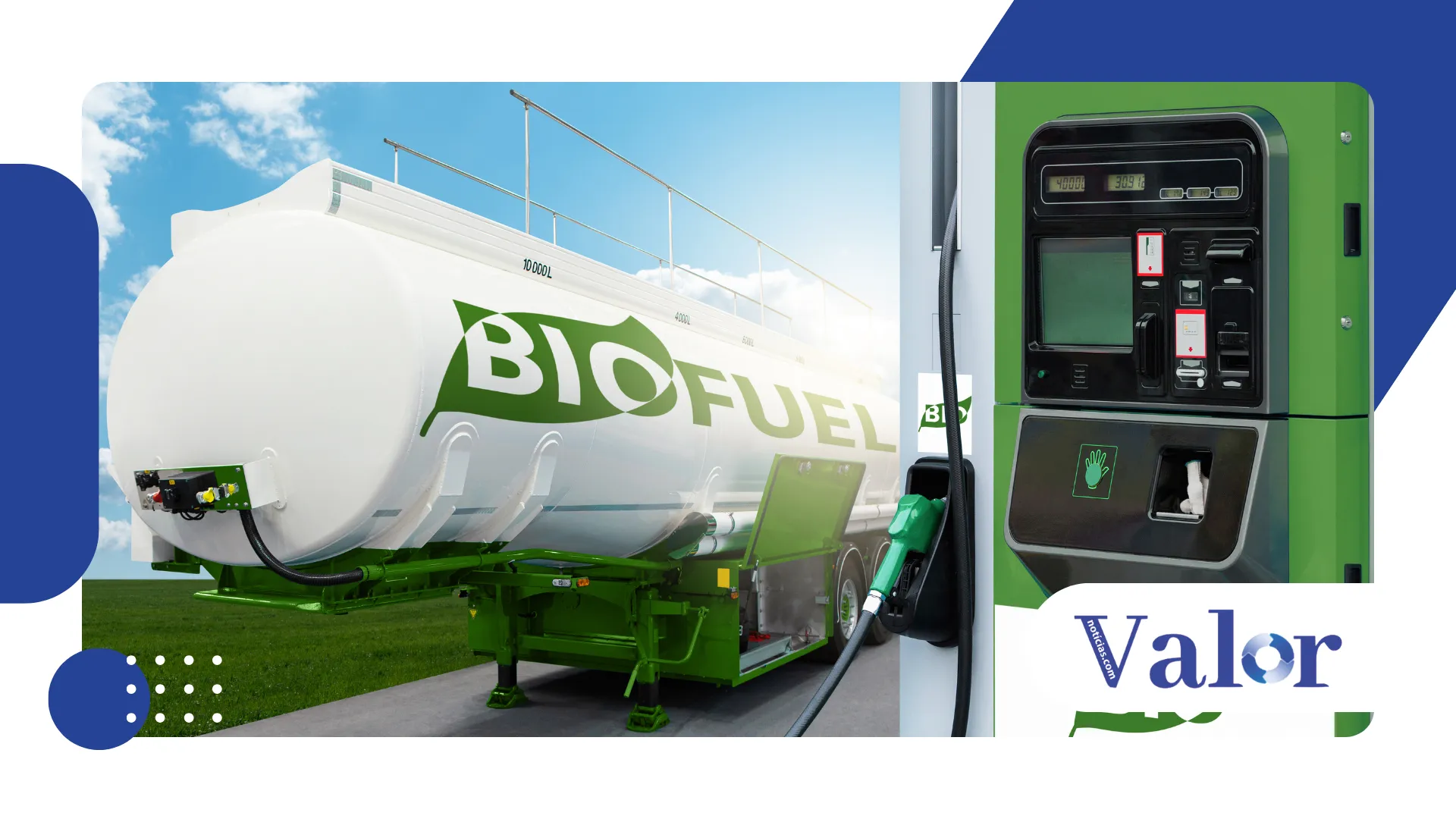
The artificial prolongation of the reduced price generates intense regulatory debates with the sugar and ethanol industry in the central-southern regions.
Ethanol producers argue that the government's spending cap harms the competitiveness of clean biofuel at the pumps.
The ideal technical parity of seventy percent is compromised by gasoline being made cheaper by incentives.
The industry is demanding swift review of gasoline subsidy to recover its historical operating profit margins.
The delay in reinstating taxes is draining the profitability of mills processing the current sugarcane harvest.
Investments in energy transition risk a temporary slowdown if the scenario persists for months.
To mitigate the impact on the green sector, the government is considering increasing the mandatory blending of ethanol in gasoline.
The proposal under study foresees changing the technical percentage from thirty to thirty-two percent.
This measure would compensate for the loss of competitiveness of the plants without raising the final price for the consumer.
+ Slowing consumption in 2026 worries national retail and industry.
Conclusion
Managing fuel prices in a context of global instability demands extreme flexibility from the Ministry of Finance.
The strategic postponement of incentive cuts demonstrates the priority focus on stabilizing national inflation rates.
The repercussions of this fiscal decision will dictate the pace of the country's economic growth in the following months.
Close monitoring of the international market remains essential for investors and drivers across the country.
Fluctuations in commodity prices and government decisions in Brasilia are reshaping the business landscape daily.
To follow detailed analyses and market developments, consult the economic updates at [website/link]. This is money., which covers last-minute economic decisions.
FAQ – Frequently Asked Questions
What is the current value of the discount maintained by the federal government?
The benefit guarantees a real discount of forty-four cents per liter for the gasoline distributed.
This measure applies to both imported fuel and fuel refined domestically by companies.
Why has the international price of oil risen so much?
The new escalation of military and geopolitical tensions between the United States and Iran has affected global networks.
The risk of shortages in key logistics channels caused the price of Brent crude to surpass historic highs.
Does the diesel fuel subsidy still apply at the pumps?
No, the financial support program for diesel fuel ended on July 1st.
The economic team maintained the original schedule for diesel, focusing the emergency postponement only on regular gasoline.
What happens to the price of gasoline if the subsidy is eliminated?
If the incentive is completely withdrawn, the price at the distributors will suffer an immediate cost increase.
This cost tends to be passed on entirely to gas stations and end consumers.
