
The Recurrence Economy: The Future That Has Already Dominated the Market
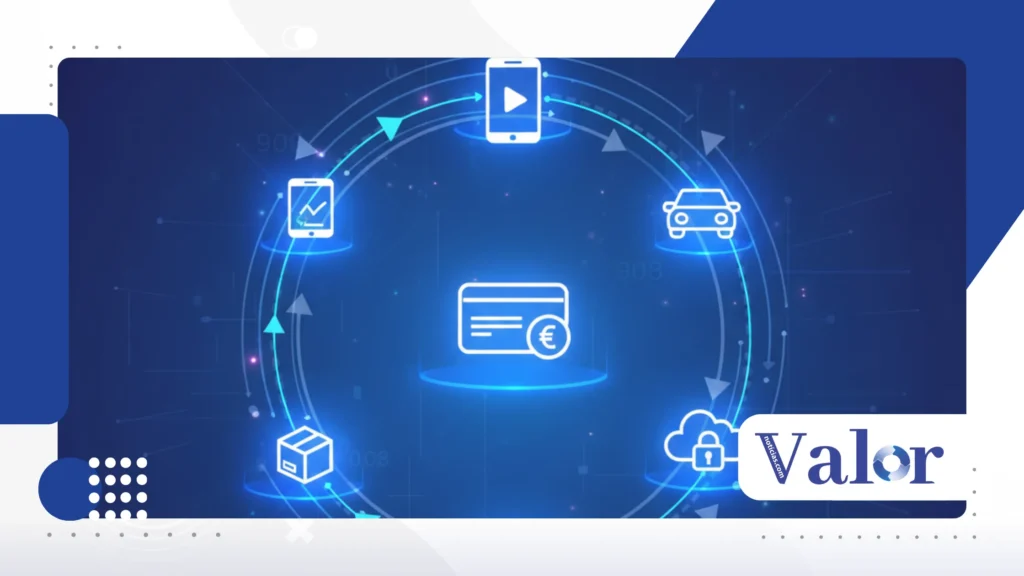
In a world where ownership is no longer the main driver of consumption, a new business model has emerged and is redefining the way we buy, sell and interact with brands.
Advertisements
We are talking about recurrence economy, a concept that has become the backbone of giants like Netflix and Spotify, and which is now expanding into sectors we would never have imagined, such as the automotive and food industries.
If you think that magazine or newspaper subscriptions are an old and dying model, it's time to rethink your thinking.
THE recurrence economy is the evolution of this system, adapted to the fast pace of the digital age, where convenience, predictability and customer experience are the true competitive differentiators.
But, after all, what makes this model so irresistible to companies and consumers?
Summary
- What is the Recurrence Economy?
- From Product to Experience: The Paradigm Shift
- Advantages for Companies: Much More Than Revenue Predictability
- Consumer Benefits: Convenience and Access
- The Recurrence Economy in Action: Inspiring Cases
- Challenges and the Future of Recurrence
- Conclusion: More than a model, a new mindset
- Comparison Table: Traditional vs. Recurring Purchases
- Frequently Asked Questions
1. What is the Recurrence Economy?
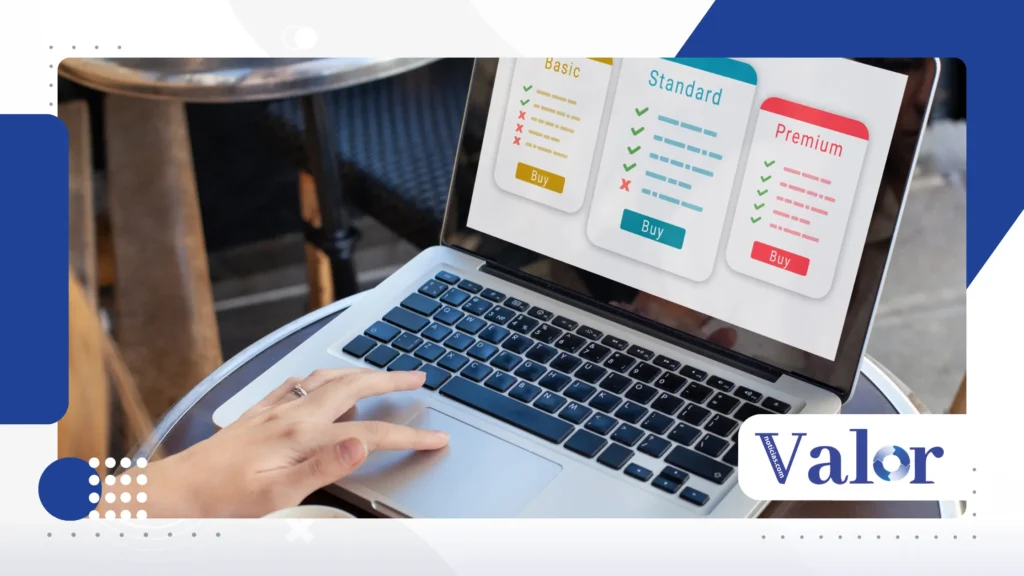
THE recurrence economy is a business model in which customers pay periodically (monthly, quarterly, annually) for continued access to a product or service.
Unlike a one-time purchase, where the transaction ends with the delivery of the item, here the relationship is long-lasting and based on a subscription.
The focus shifts from sales to customer retention, encouraging companies to constantly invest in improvement and delivering value.
Think about your daily routine: do you subscribe to a movie streaming service? A music app? Maybe a wine box, a gym membership, or even a long-term car rental.
In all of these examples, the logic is the same: you don't own the good or service, but you have unlimited access to it for the duration of your subscription.
This shift in consumer behavior is no accident. It reflects a desire for less bureaucracy, more flexibility, and a seamless experience.
For companies, this model offers a stable and predictable revenue stream, which allows for more robust financial planning and the ability to invest in innovations more safely.
It is the evolution of consumption, moving from possession to experience and, finally, to access.
+ Pix Installments vs. Credit Card: Which is best for your purchases?
The Story Behind the Phenomenon
Although the term gained traction with the rise of tech giants, the concept is not new. Newspaper and magazine publishers, for example, have used the subscription model for centuries.
The big difference now is the scale, digitalization and variety of sectors that have adopted it.
What was once restricted to media and clubs is now the basis of business models ranging from software (SaaS – Software as a Service) to home appliance rental.
The Covid-19 pandemic, for example, dramatically accelerated the adoption of recurrence economy.
With social isolation, people sought convenience and access to products and services without leaving home.
Subscription clubs for books, organic foods, recipe kits, and even online consulting services have seen exponential growth, solidifying the model as a robust solution in times of crisis.
+ “It’s Just R$ 10”: The Impact of Small Purchases That Add Up Your Money
2. From Product to Experience: The Paradigm Shift
The great thing about recurrence economy It's not just about charging monthly, but about selling a complete and continuous experience.
The customer is not buying a product, they are buying a solution to a recurring need.
For example, a Netflix subscriber doesn't pay to "own" a movie, but to have access to a vast catalog of entertainment, curated and easy to watch anytime, anywhere.
The value is in access, freedom of choice and the consumption experience, not physical possession.
This logic is the foundation of the entire transformation. Modern consumers no longer want to simply buy a car; they want the flexibility of owning a vehicle without worrying about insurance, maintenance, property taxes, or depreciation, opting for car subscription services.
He no longer wants to buy expensive and complex software; he prefers to pay a monthly fee to have access to a tool that is always up to date and has technical support available.
This “access, not possession” mentality aligns with a generation that values flexibility and practicality, seeking a life with less “baggage” and more fluidity.
+ How Population Aging Affects the Brazilian Economy
3. Advantages for Companies: Much More Than Revenue Predictability
If revenue predictability is the most obvious advantage of recurrence economy, the truth is that the benefits go much deeper.
Customer Loyalty and Relationship:
In a one-time purchase model, the relationship with the customer is brief and transactional. In a recurring purchase model, the company needs to keep the customer engaged to avoid the dreaded churn (subscription cancellation).
This requires constant attention to quality, service, and experience. A company that serves its customers well and consistently delivers value builds a relationship of trust and loyalty, transforming consumers into brand advocates.
Reducing Customer Acquisition Cost (CAC):
Acquiring a new customer is always more expensive than retaining an existing one. With recurring revenue, the company invests once in CAC, and if the experience is good, the revenue generated by that customer extends over a long period of time (LTV – Lifetime Value).
This increase in LTV relative to CAC is one of the biggest indicators of success for a subscription business.
Data and Market Intelligence:
The ongoing relationship with the customer allows the company to collect an immense amount of data about consumption behavior, preferences and service usage.
This market intelligence is an invaluable asset, allowing you to personalize your offering, create more relevant products, and anticipate your audience's needs.
Scalability and Innovation:
With predictable cash flow, companies have greater security to invest in innovation and expand their operations. Financial predictability is the foundation for sustainable growth.
4. Consumer Benefits: Convenience and Access
THE recurrence economy won over consumers by offering an undeniable value proposition.
- Affordable Costs: Many products and services that would be unaffordable with a one-time purchase become viable through subscriptions. Paying a monthly fee for access to professional editing software or a luxury car is much more democratic than having to shell out the full price.
- Convenience and Practicality: Receiving products at home without having to worry about monthly purchases or having access to a service with a single click brings unprecedented convenience.
- Flexibility: Most subscription services offer the ability to cancel at any time, which gives consumers a sense of control and freedom that traditional purchasing doesn't offer.
- Personalized Experience: Based on usage data, many recurring services can offer highly personalized experiences. Netflix, for example, suggests movies and series you'll likely enjoy, and Spotify creates weekly playlists based on your listening habits.
5. The Recurrence Economy in Action: Inspiring Cases
The recurring revenue revolution isn't limited to entertainment. It's present in surprising market niches.
Product Subscription Club:
Curation is the star here. Wine clubs, craft beers, specialty coffees, and even beauty kits deliver a monthly discovery experience right in the customer's home.
The GlamBox Beauty Box, for example, sends a box every month with makeup and skincare products from different brands, providing constant discovery for its subscribers.
Software as a Service (SaaS):
This model is the growth engine for countless startups and technology companies. Instead of selling expensive software licenses, companies offer access to the platform for a monthly fee.
Cases like Salesforce (CRM), Adobe Creative Cloud (image and video editing) or Canva (graphic design) have democratized access to professional tools.
High Value Goods and Services:
THE recurrence economy has expanded into luxury goods and high-value services. Audi, for example, offers vehicle subscription plans, where customers pay a monthly fee to use the car, with all maintenance and documentation included.
Itaú, in partnership with Apple, launched “Itaú Shop,” a program that allows you to finance a new iPhone and pay a percentage of the total value, with the option to exchange it for a newer model at the end of the contract.
6. Challenges and the Future of Recurrence
Despite all the advantages, the recurrence economy is not without its challenges. The main one is the churn, or the cancellation fee.
The customer can cancel at any time if they do not feel that the value delivered justifies the monthly fee.
Therefore, innovation, personalization, and delivering a superior experience are essential to the survival of a subscription business.
The future of recurring billing looks promising. The trend is for more and more sectors to adopt the model, from healthcare (with telemedicine subscriptions and wellness plans) to education (with online course platforms).
Personalization and artificial intelligence will become increasingly crucial, enabling companies to offer hyper-personalized services that adapt to the customer in real time.
THE recurrence economy It is not a passing fad, but a new paradigm that is here to stay.
Conclusion: More than a model, a new mindset
THE recurrence economy It is not just a form of monetization, but a new business philosophy.
It puts the customer at the center of strategy, requiring companies to build lasting relationships rather than focusing solely on one-off transactions.
It's proof that in the age of access, true value isn't in owning a good, but in the experience and convenience it provides.
The companies that understand and know how to apply this new mentality will be the ones that will dominate the market in the coming years.
Comparison Table: Traditional vs. Recurring Purchases
| Feature | Traditional Purchase | Recurrence Economy |
| Focus | Single transaction and possession of the property | Ongoing relationship and access to service |
| Revenue | Unpredictable cash flow based on sales | Predictable and recurring revenue |
| Customer Acquisition Cost (CAC) | High, as each sale requires a new effort | Low, as the customer remains loyal for longer |
| Predictability | Low | High |
| Customer Relationship | Brief and sporadic | Long-lasting and continuous |
| Examples | Buying a DVD, a physical book | Netflix, Spotify, Book Subscription Box |
Frequently Asked Questions
What is “churn” in the recurring economy?
Churn is the subscription cancellation rate. It's one of the most important indicators for recurring businesses, as it measures how many customers the company loses in a given period.
A high churn rate indicates that the customer is not seeing enough value in the service or that the experience is not satisfactory.
Can any type of business adopt recurrence?
Not every business fits perfectly into the recurring model, but creativity is the limit.
Currently, we see recurrence in sectors such as health, education, beauty, food, and even in consulting and maintenance services.
The key is to identify a need or a product that can be delivered continuously, with added value.
How does the recurring economy impact the consumer?
For the consumer, recurrence translates into more convenience, flexibility, and access to goods and services that might otherwise be financially prohibitive.
The shift from “having” to “accessing” allows for a life with less weight, more fluidity, and more personalized experiences.
