
January will have a green flag and savings on energy bills.
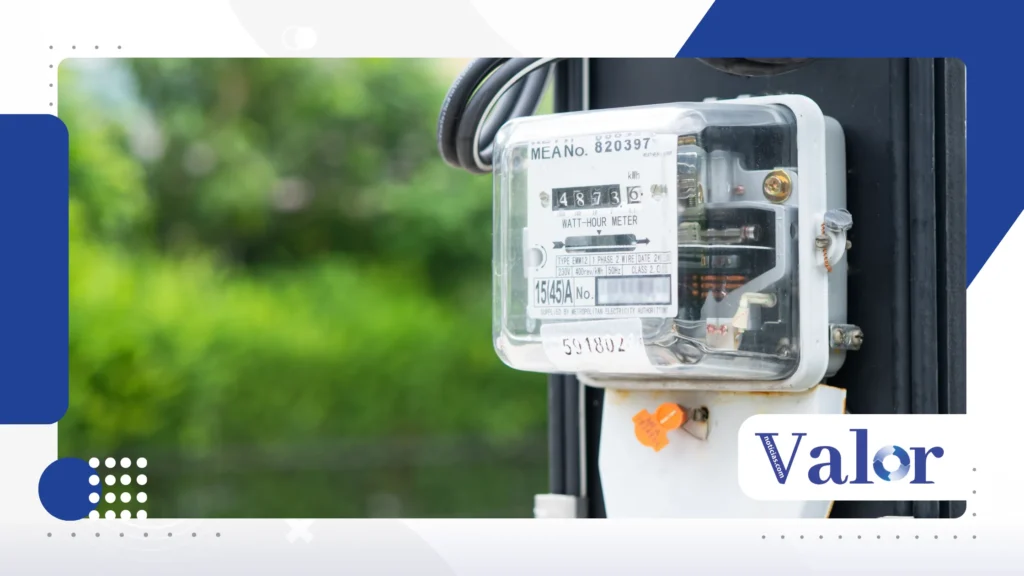
The official confirmation brings immediate relief and guarantees... savings on your energy bill for millions of Brazilians right at the start of this new year.
Advertisements
The National Electric Energy Agency (ANEEL) announced that the green tariff flag will be in effect from January 2026.
This decision directly reflects the improvement in hydroelectric reservoir levels, driven by the favorable wet season in the Southeast and Midwest regions.
For the consumer, this means the end of extra charges for every 100 kilowatt-hours (kWh) consumed.
Understanding the impact of this measure is essential for organizing your household budget and enjoying the summer without financial surprises. Below, we detail the reasons for this change and how you can maximize your savings.
Summary:
- What does the green flag from ANEEL mean in January?
- Why did the tariff flag change to the favorable level?
- How does this impact your budget and inflation control?
- Comparative Data: The real cost of energy in Brazil
- What strategies maximize cost reduction in the summer?
- What can we expect from the energy landscape for the remainder of 2026?
- Conclusion
- Frequently Asked Questions (FAQ)
What does the green flag from ANEEL mean in January?
The activation of the green flag signals that energy generation conditions in the country are favorable and operating at reduced costs. The system does not need to activate thermoelectric power plants, which are more expensive and polluting.
In practice, the electricity bill will arrive at homes without the usual extra charges associated with the yellow or red tariff flags. You will only pay for the energy actually consumed, plus fixed state and federal taxes.
This option is the most sought after by consumers, as it represents the base tariff for the national electricity sector. It offers fundamental financial predictability for families seeking to balance their expenses at the beginning of the year.
Many Brazilians use this extra money in their budget to pay off other typical January obligations, such as vehicle tax and school supplies. Therefore, the news comes at a strategic time for the financial health of the population.
Why did the tariff flag change to the favorable level?
The transition to the green flag is not happening by chance; it is a direct result of the recovery of water levels in the country's main reservoirs. Consistent rainfall at the end of 2025 raised the level of the National Interconnected System (SIN).
The National Electric System Operator (ONS) monitors the volume of water stored in river basins daily. When there is enough water to turn the turbines without restrictions, the cost of production drops drastically.
In addition to hydrology, the expansion of renewable sources, such as wind and solar energy, has contributed to easing the system. This diversification of the Brazilian energy matrix reduces the exclusive dependence on rainfall.
This operational security allows ANEEL (Brazilian Electricity Regulatory Agency) to remove the additional charges, benefiting the entire consumption chain. It is a virtuous cycle where nature and technical planning converge.
Notice: Maintaining the green flag status depends on responsible consumption and continued rainfall in the following months.
To understand more technical details about reservoir monitoring and daily bulletins, you can consult the official data directly on the website. National Electric System Operator (ONS).
How does this impact your budget and inflation control?
Electricity has a significant weight in the calculation of official inflation, measured by the IPCA. When the tariff falls, the impact is felt in a cascading effect across various sectors of the economy, reducing production costs.
For families, the savings on your energy bill This represents a direct increase in monthly purchasing power. The money that would have been allocated to extra fees can be reallocated to personal consumption or investments.
Businesses and industries also benefit, as the reduction in operating costs can prevent price increases from being passed on to final products. This creates a more stable economic environment, conducive to growth in the first quarter.
Experts point out that maintaining the green flag helps keep inflation rates under control. It's a macroeconomic relief that starts with each citizen's electricity bill.
+ Driver's license without driving school: what changes to get a license?
Comparative Table: Tariff Flags and Actual Costs
Visualizing the difference between the flags helps to understand the importance of ANEEL's announcement for January. The table below shows the current values and the avoided impact on your wallet (base data 2025/2026).
| Tariff Flag | Additional Cost (per 100 kWh) | Generation Situation | Impact on the Bill |
| Green | R$ 0.00 (Exempt) | Favorable (Hydroelectric Power Plants) | Low |
| Yellow | R$ 1.88 | Warning (Low Level) | Average |
| Red P1 | R$ 4.46 | High Cost (Thermal Power Plants) | High |
| Red P2 | R$ 7.87 | Critical Cost | Very High |
| Water Scarcity | R$ 14.20 (Exceptional) | Emergency | Critical |
Source: Data compiled based on ANEEL's homologation resolutions in effect in December 2025.
Note that, in an average household consumption of 300 kWh, the difference between the green and red tariff levels 2 can exceed R$ 23.00 in fees alone. This amount, added up over the year, makes a huge difference.
What strategies maximize cost reduction in the summer?

Even with the green flag (indicating high energy consumption), summer requires caution due to the intensive use of air conditioning. Air conditioning, a major energy consumer, should be used intelligently to avoid negating savings on electricity bills.
Keep your air conditioning filters clean at all times, as dirt puts strain on the motor and increases energy consumption. Adjusting the temperature to 23°C or 24°C ensures thermal comfort without requiring maximum power from the unit.
The refrigerator also deserves extra attention on hot days, avoiding unnecessary openings and checking the rubber seal. Keep the appliance away from heat sources, such as the stove, to improve its efficiency.
Another valuable tip is to take advantage of natural lighting, which is more intense and longer-lasting during the summer. Replacing old light bulbs with LED technology reduces lighting consumption by up to 80%.
Showers should be taken with the showerhead in the "summer" or "off" position on very hot days. This simple change can reduce shower consumption by approximately 30%.
Using fans in conjunction with open windows creates air currents that can eliminate the need for air conditioning. Cross ventilation is a simple and free architectural technique for cooling spaces.
Finally, unplug devices when not in use to avoid "vampire" standby power consumption. Small daily actions, combined with the green tariff flag, result in a surprisingly low bill.
What can we expect from the energy landscape for the remainder of 2026?
Projections for the remainder of 2026 are optimistic, but require constant monitoring of climate variables. Meteorologists indicate that the La Niña phenomenon may influence rainfall patterns in the second half of the year.
The Brazilian electricity sector continues to invest heavily in transmission lines to integrate energy from the Northeast to the Southeast. This national integration is vital to ensuring energy security during periods of regional drought.
The expectation is that the green flag will remain in effect throughout the wet season, which lasts until April. After this period, ANEEL will reassess the conditions to determine the tariffs for the dry season.
The growth of distributed microgeneration, with solar panels on residential rooftops, also alleviates the load on the main grid. This trend of energy decentralization is expected to accelerate even further by 2026.
Therefore, although the current scenario is one of prosperity, awareness in the use of natural resources remains indispensable. Tariff stability is a collective achievement that depends on the preservation of our water resources.
+ Vehicle consortia: is it worth waiting or financing?
Conclusion
Starting the year with a green flag is a powerful incentive for the finances of Brazilian families. The measure reflects a positive moment for our infrastructure and climate, allowing for some breathing room in the budget.
However, the real savings on your energy bill It arises from the combination of low tariffs and efficient habits. Take this opportunity to review your consumption and adopt permanent sustainable practices in your home.
The year 2026 begins with good news, and it's up to each consumer to transform this tariff advantage into real savings. Monitor your expenses, apply the efficiency tips, and enjoy a more peaceful and economical summer.
FAQ (Frequently Asked Questions)
Is the green flag automatic or do I need to request it?
The application is fully automated. Your region's energy provider will adjust the bill calculation based on ANEEL's determination, without requiring any action from the consumer.
Does the green flag mean the bill will be zero?
No. The green flag only means that there will be no extra charge on consumption. You will continue to pay for the kilowatts consumed, taxes, and public lighting contribution.
Does this rate apply to the whole of Brazil?
The tariff flag applies to all consumers in the National Interconnected System (SIN). Only isolated regions, such as parts of Roraima, follow specific rules for tariffs and local generation.
Can I use more energy now that the flag is green?
It is not recommended. Increased consumption will raise the final cost of your bill, even without the extra fee. Furthermore, waste can compromise your water reserves for future months.
When will ANEEL announce the tariff flag for next month?
The Agency usually announces the tariff flag for the following month on the last Friday of the current month. Keep an eye on the news and the official website for the February announcement.
