
Card tokenization enhances security in digital purchases.
THE card tokenization This represents one of the most significant advancements in the protection of financial data during digital transactions across the entire modern payments ecosystem.
Advertisements
This technology replaces the actual card numbers with unique alphanumeric codes, preventing fraudsters from intercepting sensitive information during online purchases in virtual stores and apps.
With the rapid growth of global e-commerce and the continued advancement of recurring subscriptions, safeguarding the integrity of operations has become a strategic priority for banks, acquirers, and customers.
The use of these mathematical keys drastically reduces incidents involving credential leaks, ensuring that even in the event of a database breach, the records obtained are useless outside of their original context.
In this straightforward guide, we analyze the practical workings of the technology, its direct impact on the sales ecosystem, and the security guidelines shaping the payments industry in 2026. Check out the core analysis framework below and understand how this invisible layer of protection operates in the daily routine of the digital market.
Summary
- How does card tokenization protect digital transactions?
- What are the main types of tokens on the market?
- What is the difference between traditional cryptography and tokenization?
- How do the card networks and payment processors process this data?
- What data proves the effectiveness of technology in combating fraud?
- What advantages does tokenization bring to buyers and merchants?
- Frequently Asked Questions (FAQ)
- Conclusion and Future of Payments
How does card tokenization protect digital transactions?
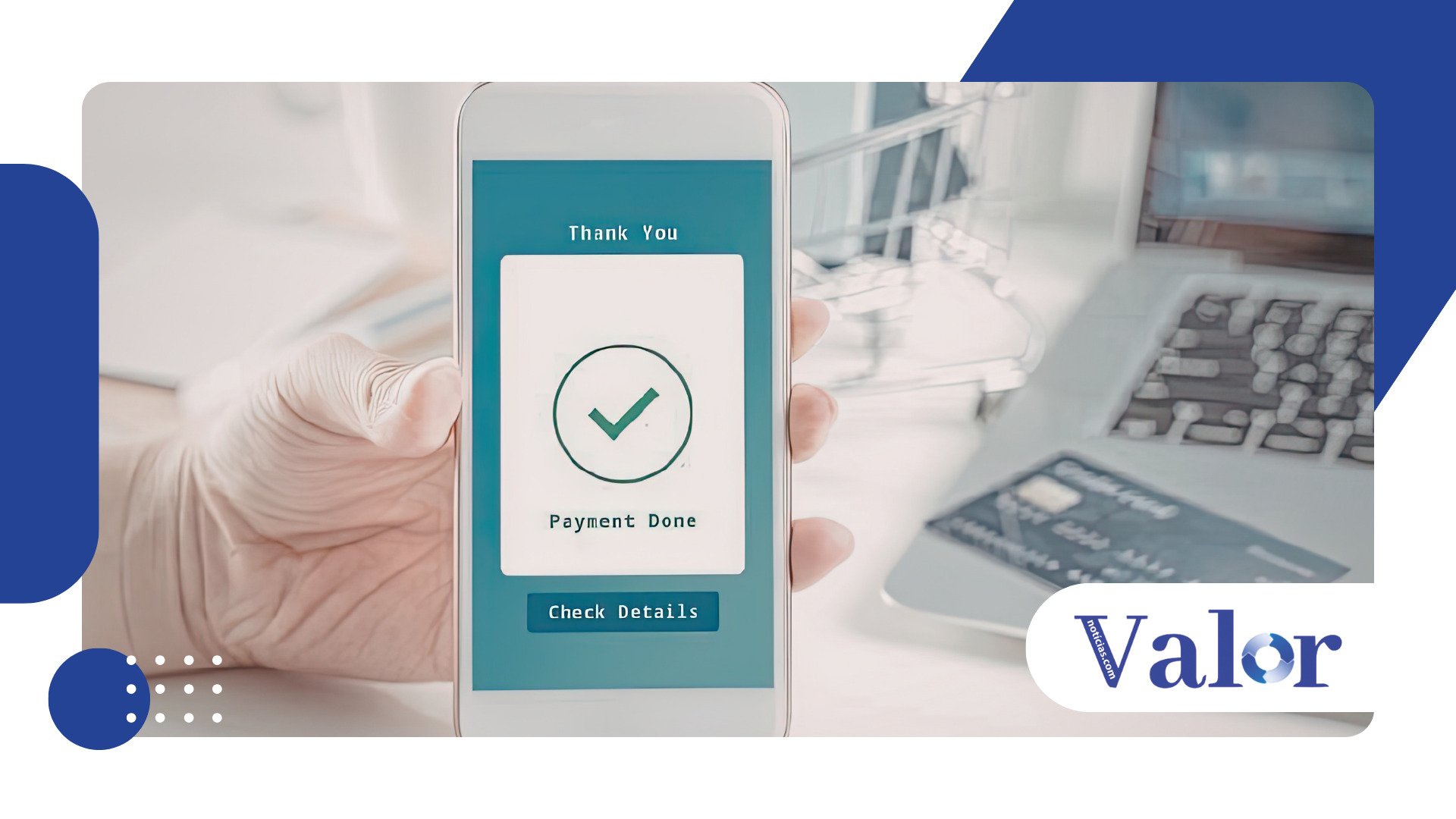
THE card tokenization It works by replacing the sixteen digits of the primary credential with a unique random sequence, preserving the standard structure of the financial record.
When a purchase is initiated at checkout, the platform sends this request to the payment processor, which then activates the network's secure repository to validate the generated code.
This replacement key is strictly tied to a specific establishment or mobile device, blocking any attempt to reuse the data in another environment.
If a malicious interception of data traffic occurs, the attacker will find only a numerical array without any commercial utility or isolated transactional power.
At the issuing bank, the system correlates the security key to the original account in fractions of a second, authorizing the transaction without exposing the true number to the merchant.
This decentralized architecture eliminates the need to store sensitive data on commercial servers, reducing compliance risks and mitigating cybersecurity vulnerabilities.
What are the main types of tokens on the market?
There are two dominant key structures operating in the daily payment flow: network tokens and merchant tokens.
Managed by the global card networks themselves, network tokens ensure seamless interoperability by automatically updating customer records when a physical card is reissued or renewed by the bank.
On the other hand, merchant tokens are issued by payment gateways focused on simplifying one-click purchases and scheduled recurring payments.
This approach allows the company to retain its subscriber base without having to store confidential information, reducing regulatory requirements and decreasing the surface area exposed to potential cybercriminal attacks.
In smartphone digital wallets, the process gains an additional layer by linking the code to the device's hardware and the user's biometric validation.
To detail the technical parameters that define these global information security standards, it is worth examining the documentation of PCI Security Standards Council Regarding data protection in payment ecosystems.
What is the difference between traditional cryptography and tokenization?
Traditional cryptography relies on mathematical algorithms to encode sensitive data, requiring a corresponding key to revert the content to its original state during processing.
If criminals discover the reversal algorithm and the key used, all records stored in the database are instantly exposed.
THE card tokenization It adopts a distinct logic, as it completely disconnects the generated representation from the original financial data contained in the message.
The substitute value has no mathematical relationship with the card number, making it impossible to guess or reconstruct the primary data from the isolated code.
Due to this structural characteristic, tokenization has become the preferred standard for long-term storage on digital platforms.
The technology removes the physical credentials from the e-commerce environment, simplifying security audits and reducing operational costs associated with security infrastructure.
How do the card networks and payment processors process this data?
The flags operate in the centralized management of keys, using digital vaults that undergo rigorous and continuous audits within the financial ecosystem.
Upon receiving a purchase attempt, the gateway forwards the request containing the key to the corresponding network, which initiates the validation of the operational parameters.
The network system searches the secure repository, identifies the corresponding record, and verifies the integrity of the specific data for the establishment or device.
With the information properly checked, the request goes to the issuing bank, which authorizes the transaction with a high degree of confidence in the authenticity of the origin.
All this exchange of information between acquirers, networks, and issuers occurs transparently and imperceptibly to the buyer in a matter of milliseconds.
This integrated workflow creates an effective barrier against fraud, ensuring smooth sales transactions and stability for e-commerce.
++ Contactless scam raises alert among card users.
What data proves the effectiveness of technology in combating fraud?
The systematic use of digital keys directly alters the dynamics of fraud prevention, increasing approval rates for legitimate purchases.
Combining dynamic validations with biometric verification reduces profile checking errors and avoids unnecessary blocking of valid transactions.
The following table consolidates market indicators regarding the operational impacts observed after the consolidation of this protection model in e-commerce operations:
| Market Metrics | Indicator Before Adoption | Indicator with Tokenization | Operational Impact |
| Sales Approval Rate | ~78% in online shopping | >88% in tokenized purchases | Substantial increase in conversions |
| Fraud Index by Leak | High risk in databases | Virtually zero for tokens. | Elimination of the commercial value of the data. |
| Continuity on Expired Cards | Requires manual update by the user. | Automatic background updates | Drastic reduction of involuntary churn. |
| False Positive Fraud | Elevated due to strict checks. | Substantially reduced by secure validation. | Improved customer experience |
The numbers show how the card tokenization It improves the transactional efficiency of e-commerce, safeguarding the revenue of merchants and offering more stability to buyers.
++ Card brands influence where credit can be used.
What advantages does tokenization bring to buyers and merchants?
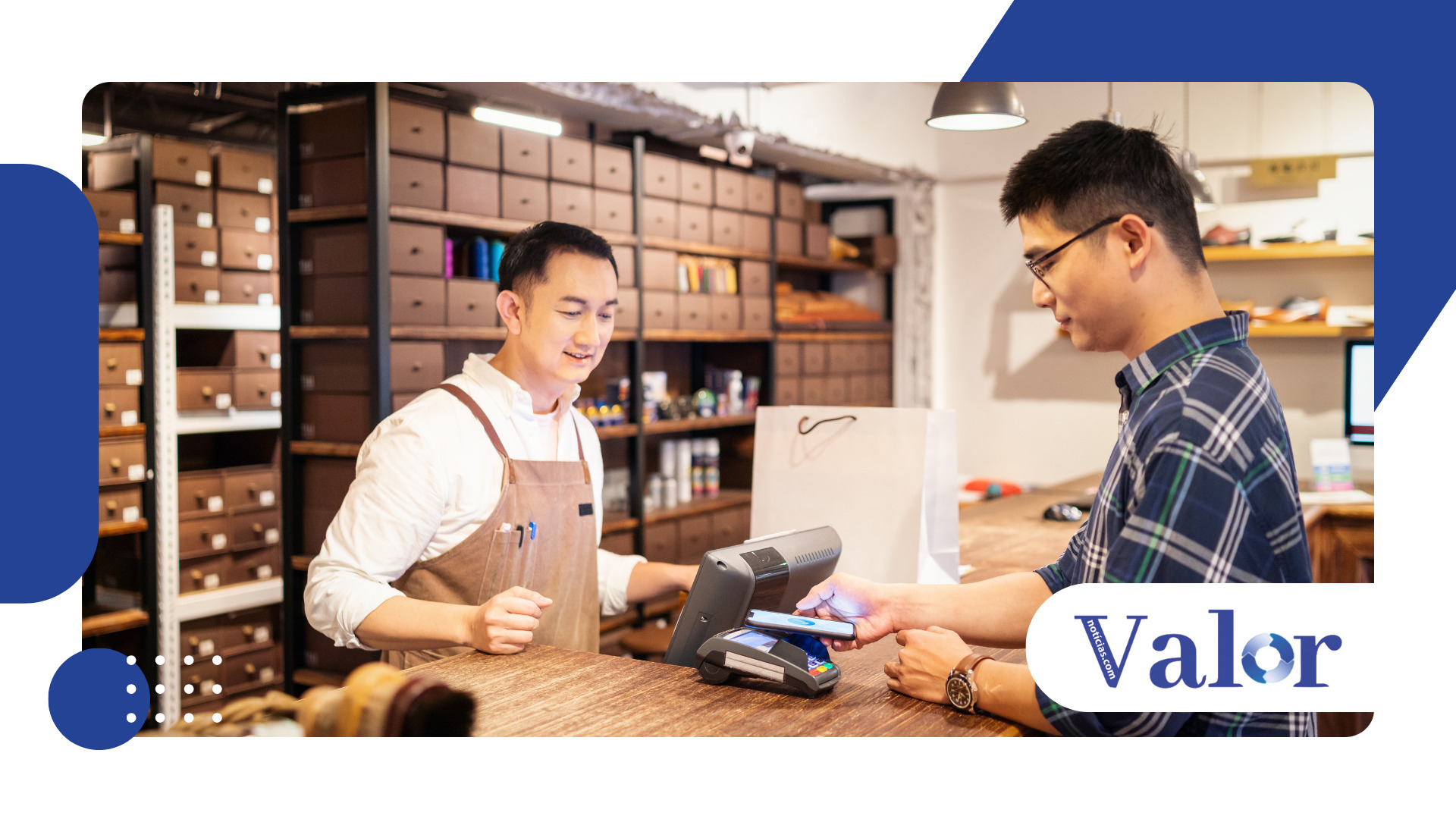
For consumers, the main advantage lies in the continuous protection when registering data on new e-commerce sites or maintaining recurring payments in apps.
Even if a registered company's database is compromised, the physical card number remains secure, eliminating the need to cancel the card.
For digital merchants, the technology minimizes costs associated with managing chargebacks, reduces dispute attempts, and improves conversion rates at checkout.
Furthermore, the automatic updating of registered credentials prevents interruptions in recurring billing, ensuring the retention of repeat customers.
Another important point is the facilitated alignment with the requirements of the General Data Protection Law (LGPD) and international privacy guidelines.
By avoiding the direct storage of card numbers, companies reduce the scope of legal liability and preserve their market reputation.
++ Benefit cards will now operate only as vouchers in Brazil.
Frequently Asked Questions (FAQ)
Does tokenization change my card password?
No, creating an alphanumeric code only modifies the representation of the card number in digital transactions, leaving passwords or security codes unchanged.
Does the use of tokenization generate additional costs for the buyer?
There are no additional fees charged to the end consumer, as this is a protection feature natively provided by banks, card networks, and digital wallets.
What happens when my physical card expires or is reissued?
THE card tokenization It allows for automatic updating of data in the card network's vault, maintaining recurring payments and subscriptions without the need for manual re-registration.
Is it possible to cancel a token without canceling the physical card?
Yes, through the issuing bank's platforms, it's possible to remove the key linked to a store or app without needing to block or request a replacement card.
Does the technology work for contactless payments on mobile phones?
Yes, digital wallets use this same key structure to enable payments via near-field communication (NFC) at physical payment terminals.
Conclusion and Future of Payments
THE card tokenization It has established itself as an indispensable foundation for information security in e-commerce and modern mobile payment ecosystems.
By isolating real-world data from open internet routes, this technology protects increasing volumes of daily operations against large-scale intrusions and leaks.
With the advancement of Open Finance and the continued use of artificial intelligence in risk analysis, the use of tokens is likely to become the universal standard for any digital transaction in the coming years.
This infrastructure consolidates a safer commercial environment, benefiting businesses, financial institutions, and end consumers.
Expanding these protection tools reinforces trust in the virtual environment and ensures the sustainability of the financial ecosystem.
To stay up-to-date on technical standards and regulatory changes regarding the payments market in Brazil, please consult the operational reports of [Company Name/Source]. Central Bank of Brazil.
