
Preventive card blocking increases after digital fraud.
THE bloqueio preventivo do cartão tornou-se a primeira linha de defesa — e por vezes a mais incômoda — entre a sua carteira e o ecossistema do cibercrime brasileiro.
Advertisements
Não se trata de mero capricho do algoritmo ou falha do sistema: o travamento instantâneo reflete uma corrida armamentista entre os motores de fraude e as arquiteturas de inteligência bancária.
Navegar por esse atrito exige entender que a conveniência do pagamento em milissegundos cobra um preço alto em vigilância constante.
Summary
- Por que o bloqueio preventivo do cartão aumentou no Brasil?
- Como os bancos identificam transações suspeitas em tempo real?
- Quais são os tipos de fraudes digitais mais comuns hoje?
- Como reativar seu meio de pagamento com rapidez e segurança?
- Quais boas práticas evitam travamentos desnecessários da sua conta?
- Frequently Asked Questions (FAQ)
Por que o bloqueio preventivo do cartão aumentou no Brasil?
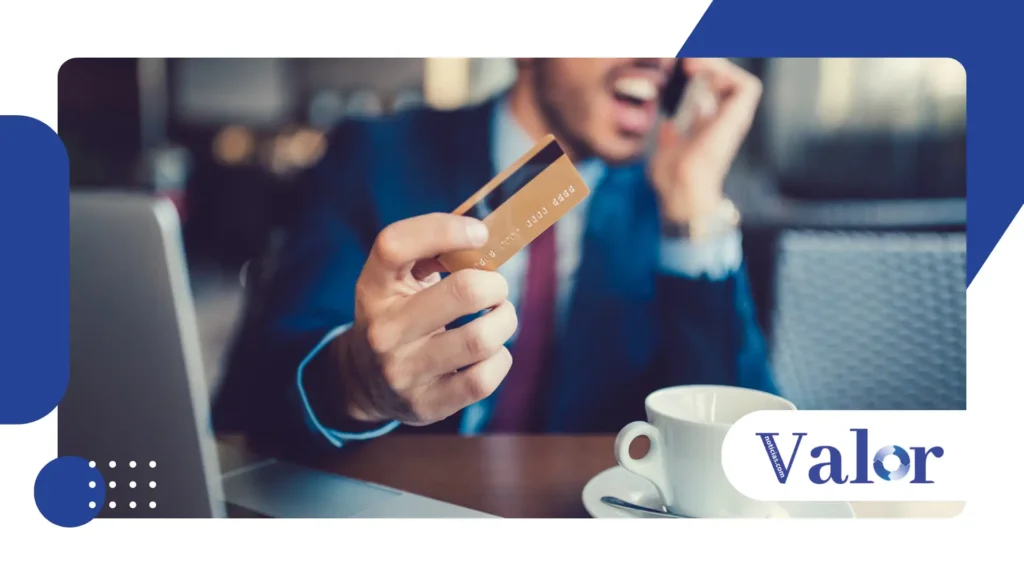
Há algo profundamente desconfortável em ter uma compra legítima recusada na caixa do supermercado, mas essa fricção proposital tornou-se inevitável.
A regulação sufocou a complacência: hoje, a ordem é interromper a transação no menor sinal de ruído comportamental.
Diferente do cenário de uma década atrás, quando o prejuízo era absorvido em silêncio pelas credenciadoras, a contenção agora é imediata.
O bloqueio causa irritação, sem dúvida, mas evita a epopeia burocrática de contestar cobranças indevidas e estornar valores que já teriam pulverizado no sistema.
++ How to rebuild credit after periods of default.
Como os bancos identificam transações suspeitas em tempo real?
A engrenagem por trás da recusa opera cruzando centenas de pontos de dados antes mesmo que a maquininha emita o bip.
Modelos preditivos analisam o seu histórico de consumo e gritam um alerta quando um gasto destoa drasticamente do seu padrão social e geográfico.
Fatores como picos atípicos de frequência e horário alteram a pontuação de risco da conta em questão de segundos.
A ocorrência de transações sequenciais no e-commerce dispara o bloqueio preventivo do cartão quase como um reflexo de sobrevivência do sistema para blindar seu saldo restante.
A validação vai além da senha: cruza-se a impressão digital do dispositivo, o endereço IP e a geolocalização exata do smartphone.
Quando a física se choca com os dados — como uma compra presencial em São Paulo dez minutos após um gasto no Rio —, o algoritmo trava o fluxo sem hesitar.
++ Credit card with a credit limit for people with a negative credit history: Is it possible?
| Analysis Criteria | Comportamento Normal | Sinal de Alerta para o Banco |
| Localização da Compra | Estabelecimentos habituais ou raio próximo | Cidades distantes ou IPs internacionais suspeitos |
| Valor da Transação | Compatível com a renda e histórico | Compras sucessivas no valor máximo do limite |
| Horário de Utilização | Período comercial ou hábitos conhecidos | Múltiplas tentativas de madrugada |
| Frequência de Uso | Intervalos razoáveis entre pagamentos | Dezenas de transações por minuto |
Quais são os tipos de fraudes digitais mais comuns hoje?
Compreender por que a malha fina dos bancos ficou tão estreita exige olhar para a sofisticação do cibercrime.
A engenharia social moderna não usa mais abordagens toscas; centrais clandestinas simulam com perfeição o atendimento bancário, induzindo a vítima a entregar credenciais valiosas voluntariamente.
Paralelamente, portais clonados e campanhas ostensivas de phishing capturam cartões em massa a cada segundo.
Diante de dados vazados comercializados em fóruns obscuros, a tentativa de descarregar limites em compras de oportunidade virou rotina automatizada entre os golpistas.
Nesse campo de batalha, o bloqueio preventivo do cartão atua como uma guilhotina sobre a operação criminosa.
Mesmo que a sua senha tenha sido comprometida em um vazamento externo, a trava do sistema impede que o fraudador converta seus dados em patrimônio roubado.
Como reativar seu meio de pagamento com rapidez e segurança?
Desatar esse nó costuma ser um processo fluido, desenhado para resolver o problema diretamente pela tela do celular.
Na grande maioria das vezes, o travamento dispara uma notificação push no aplicativo do banco pedindo confirmação imediata da tentativa de gasto.
Abra o aplicativo oficial da sua instituição e busque a aba de notificações ou segurança da conta.
Reconhecendo a transação barrada, basta autenticar sua identidade via biometria facial para reativar o uso do plástico no mesmo instante.
Agora, se a tentativa registrada for fruto de um ataque real, recuse a operação sem pensar duas vezes.
O aplicativo iniciará o protocolo de contenção, invalidando os dados comprometidos e emitindo uma nova via física para o seu endereço registrado.
++ Credit cards are losing ground to Pix for recurring payments.
Quais boas práticas evitam travamentos desnecessários da sua conta?

Manter o aplicativo financeiro com acesso liberado à localização do dispositivo reduz consideravelmente os chamados “falsos positivos”.
A equivalência entre a posição geográfica do seu celular e o terminal de pagamento serve como um atestado de veracidade para o sistema de prevenção.
Vai viajar ou pretende fazer uma compra fora da curva? O aviso prévio ainda é o melhor remédio contra o constrangimento no caixa.
Registrar o itinerário no menu do aplicativo condiciona os motores de risco a aceitarem gastos atípicos no destino sem acionar alarmes desnecessários.
Outra regra de ouro é usar cartões virtuais temporários para cadastros ou compras em plataformas de menor reputação.
A prática isola seu cartão físico de vazamentos e evita que o bloqueio preventivo do cartão trave suas despesas essenciais do dia a dia.
Para compreender os limites legais dessas retenções e os direitos do consumidor afetado, vale checar as orientações mantidas pelo portal do Procon-SP.
Frequently Asked Questions (FAQ)
O bloqueio preventivo do cartão cobra alguma taxa do cliente?
Não, a retenção cautelar é um protocolo de segurança e não pode gerar custos. Os bancos são proibidos de cobrar tarifas para bloquear ou restabelecer a operacionalidade do cartão nesses casos.
Quanto tempo demora para o cartão ser liberado após o bloqueio?
A liberação é instantânea após a validação da identidade pelo aplicativo do banco. Quando o processo exige verificação por atendimento humano, a liberação ocorre logo após a confirmação das credenciais do titular.
O banco pode bloquear meu cartão sem me avisar previamente?
Sim, o bloqueio pode ser imediato caso a inteligência do sistema identifique risco iminente de prejuízo. Contudo, a instituição é obrigada a notificar o consumidor no exato momento em que a trava é aplicada.
