
Instant offline payments enter a new testing phase.

You instant offline payments They have gone from being a futuristic promise kept in innovation labs to becoming the key element in the resilience of the global financial system in 2026.
Advertisements
Although Brazil has established itself as a leader in digital transactions, its absolute dependence on cell towers and Wi-Fi networks has always been the Achilles' heel of our digitized economy.
Below, we detail how this new testing phase breaks with the need to "be connected" to ensure that money changes hands safely and quickly.
Summary
- The end of "I have no signal": the logic of offline value.
- The technical mechanism behind balance mirroring.
- Impact on retail: why offline is the solution to queues
- Shielding and protocols: the myth of double spending.
- The technical battle: Online vs. Offline
- Frequently Asked Questions (FAQ)
What are offline instant payments and why do they matter?
There's something unsettling about the idea that a business can come to a standstill simply because a phone company's service fluctuated, but that's the reality for many Brazilian shopkeepers.
You instant offline payments They emerge to fill this technical void, allowing value to be transferred locally between devices without relying on a satellite antenna or fiber optic cable.
The logic reverses the traditional flow: instead of consulting a distant cloud to authorize the purchase, the system validates a "token" of value already present in the smartphone's hardware.
This autonomy transforms the experience at music festivals, commercial flights, or rural areas, where digital silence used to mean the death of any modern commercial transaction.
How will offline transaction technology work in 2026?
The magic happens in Secure Element, an isolated chip inside current devices that functions as a cryptographic vault immune to the vagaries of external connections.
When you bring your cell phone close to the machine, the instant offline payments They use the NFC protocol to exchange digital keys that guarantee the authenticity of both the payer and the recipient.
The concept is similar to having physical money in your pocket: you have a pre-provisioned limit on the device, and as you spend, this local balance decreases until a new synchronization occurs.
For those who wish to understand the normative background of these implementations, the Central Bank of Brazil It provides the technical manuals that guide financial institutions on this journey.
The system prevents fraud through ephemeral digital signatures, which invalidate any attempt to replicate the same payment file across multiple terminals before the next connection.
What are the main benefits for retailers and consumers?
Eliminating central server response time is not just a technical whim, but a strategy to unlock cash flow in large conglomerates.
With the instant offline paymentsThe transaction is completed in milliseconds because the "OK" comes from the device next door, not from a data center located miles away.
For the consumer, the feeling is one of total freedom, eliminating that common anxiety of checking if the cell phone signal is strong enough to load the banking app.
Street vendors and small producers in technologically underserved areas gain a professionalization tool that was previously exclusive to those with robust network infrastructure.
Security and encryption: how does the system prevent fraud and errors?
Many still view disconnected transactions with suspicion, fearing the risk of double spending or hacker attacks, but the architecture of 2026 is brutally defensive.
Within the protocol of instant offline paymentsEach transaction is sealed by elliptic curve cryptography, making the computational cost of fraud financially unfeasible.
Banks operate with a "rechargeable wallet" system, where the user sets a maximum value for offline use, functioning as an extra layer of protection against losses.
Whenever the device regains signal, an automatic reconciliation occurs, updating records and renewing the security certificates required for future offline purchases.
++ Job openings to thrive as a Sales Associate
Technological comparison: Online vs. Offline methods in 2026
The comparison below helps to demystify how these two worlds coexist to create a financial environment where system failure ceases to be an insurmountable obstacle.
++ Tax cashback system enters pilot phase in the country.
| Appeal | Online Payment (Traditional) | Offline Payments (New) |
| Network Dependency | Mandatory (4G/5G/Wi-Fi) | None during purchase |
| Speed | 2 to 5 seconds | Instantaneous (< 1 second) |
| Storage | Data is stored in the cloud. | Data on secure hardware |
| Resilience | Vulnerable to network outages | Completely resilient |
| Value Limit | Current account balance | Pre-approved quota offline |
| Synchronization | In real time | Asynchronous and periodic |
The future of the economy in the palm of your hand.
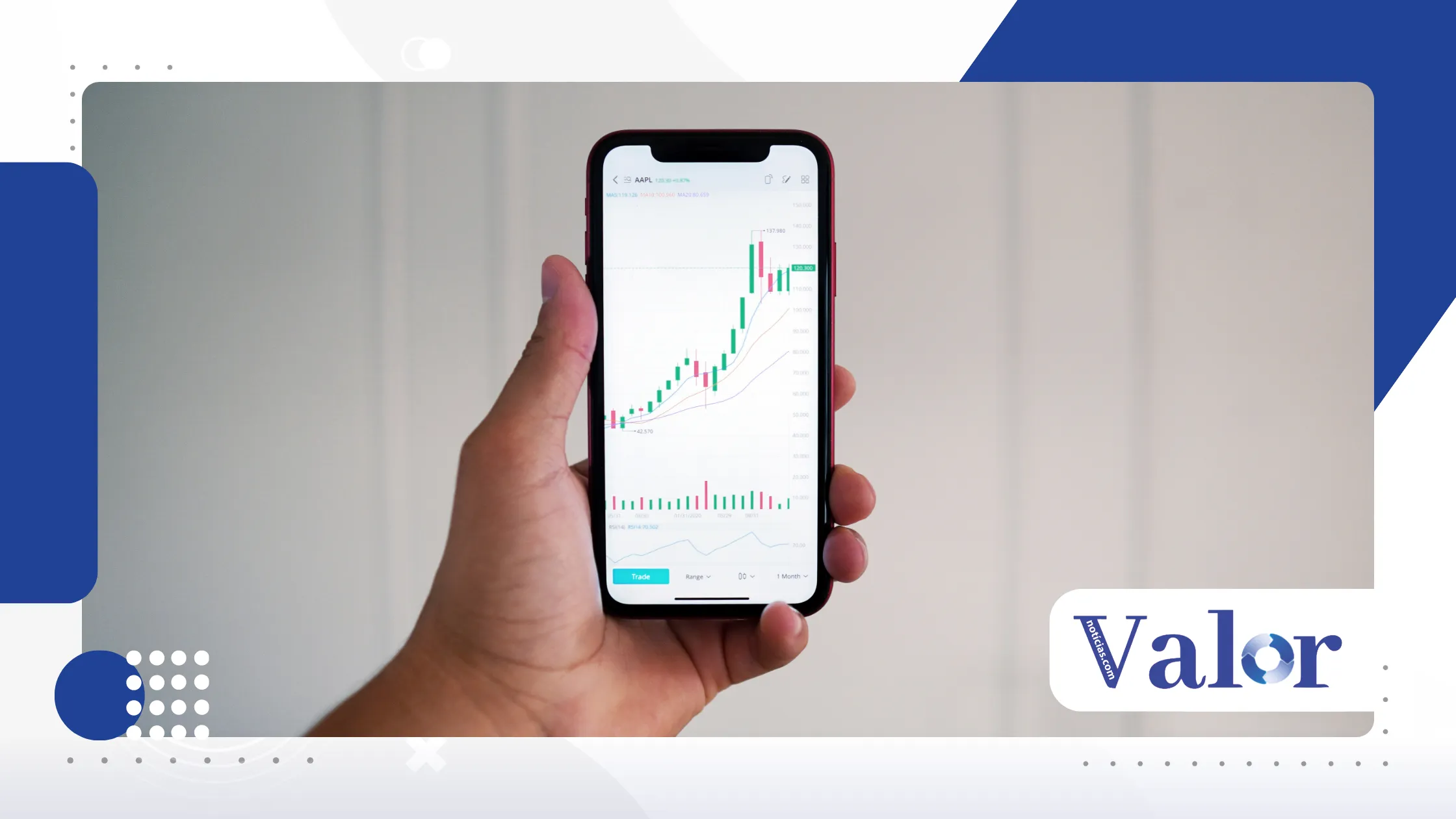
The technological maturity we are witnessing now proves that internet access can no longer be the sole gateway to financial inclusion or business success.
You instant offline payments They are consolidating a transition where the cell phone effectively becomes a physical wallet, carrying real value independently and with extreme security.
The market demands speed, and commerce cannot wait for unstable signals; understanding this change is the first step to mastering the new dynamics of modern consumption.
++ Income Tax 2026: See everything that has changed for this year's tax return.
Conclusion
You instant offline payments They usher in an era of unprecedented financial sovereignty, where the act of transacting value ceases to be a privilege reserved for those with a stable internet connection.
This evolution not only corrects historical infrastructure flaws in the peripheries and rural areas, but also shields the economic system against cyberattacks that bring down global communication networks.
To explore the international standards that underpin this evolution and ensure the system is globally accepted, it is worth checking the repositories of ISO – International Organization for Standardization.
Frequently Asked Questions (FAQ)
1. What happens if I get robbed while using offline mode?
The value available offline is limited and protected by Secure ElementAs soon as the device is blocked, the offline balance is invalidated in the banking network.
2. Is there a risk that the retailer will not receive the money?
No. The offline transaction generates an encrypted digital receipt that guarantees payment as soon as the point-of-sale terminal or the customer's mobile phone synchronizes with the internet.
3. Can I make high-value purchases without internet access?
Currently, for security reasons, banks limit offline transactions to moderate amounts. For larger purchases, real-time online validation is still the required standard.
4. Do I need to activate any specific function in my database?
Yes. Most institutions require the user to "load" an offline reservation within the app before using the feature, ensuring that the balance is previously reserved.
