
The role of predictive economics in market decisions.
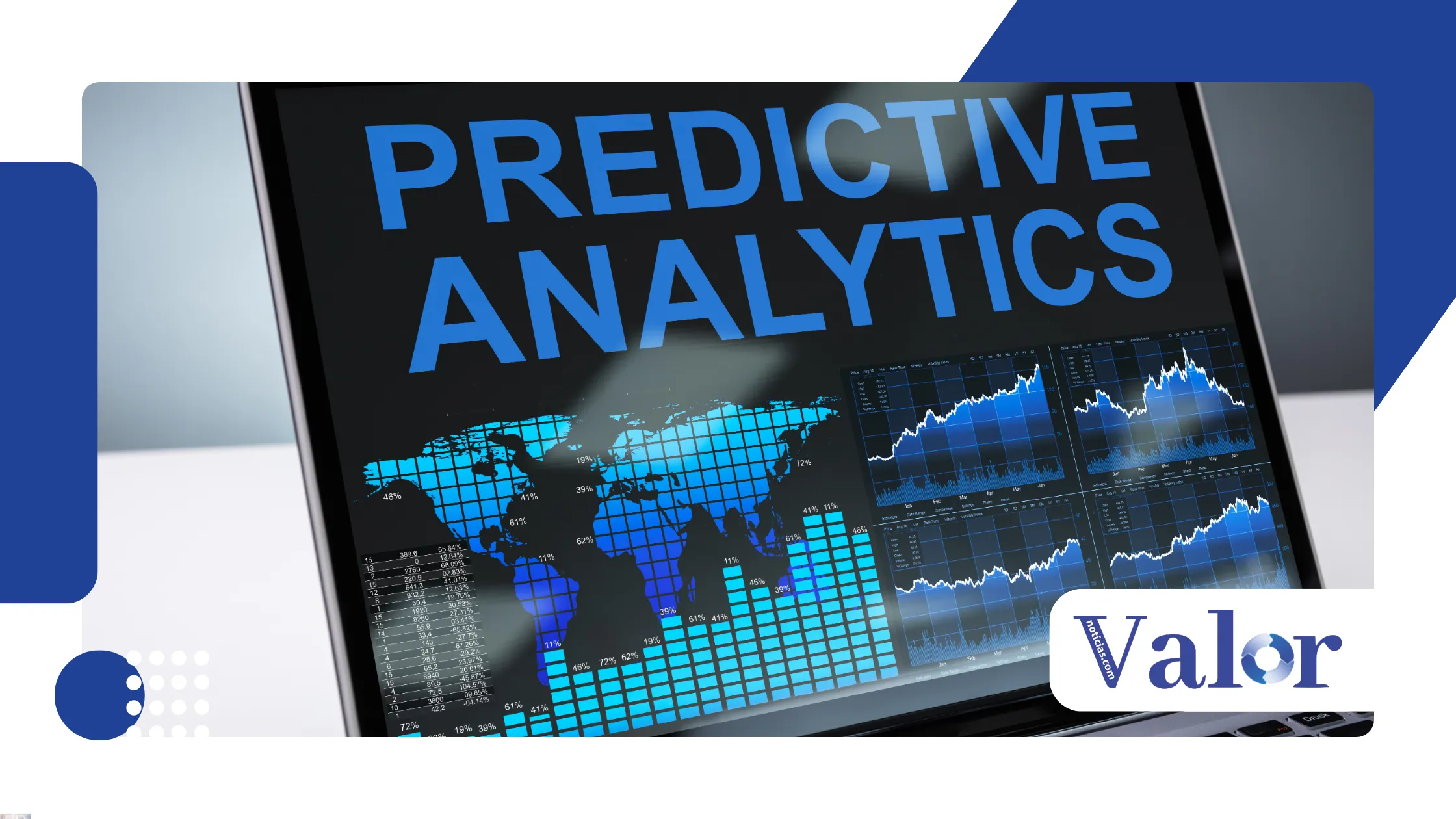
THE The role of predictive economics It has become the true center of gravity for corporate strategies that really matter, transforming oceans of raw data into highly profitable bets.
Advertisements
In the current scenario, anticipating market trends is no longer a cutting-edge competitive advantage; it has become a brutal tool for institutional survival.
In this article, we will dismantle the practical mechanisms of this methodology, understand its direct impacts on investment portfolios, and map the tools that major players use.
We will look at real data without theoretical filters, answering the most frequently asked questions with the pragmatism that the market demands from those who operate at the top.
Summary
- What is predictive economics and how does it work?
- What are the real impacts of this methodology on the financial market?
- How does artificial intelligence enhance data analysis?
- What tools do managers use to predict consumer trends?
- Where can predictive models be applied to mitigate operational risks?
- FAQ – Frequently Asked Questions
What is predictive economics and how does it work?
Economic science underwent a profound transformation when traditional mathematical models were overtaken by machine learning algorithms and global Big Data.
There's something fascinating here: this discipline combines old market theory with computational power to draw future scenarios with surgical precision.
By cross-referencing transaction histories, interest rates, and the consumer's digital footprint, the machines are able to identify patterns invisible to the human eye.
Understanding The role of predictive economics It requires accepting that intuition has given way to the fusion between exact mathematics and mass behavior.
Forget about retrospective reports that only serve to explain the past after the damage has already occurred.
Predictive analytics works with real and immediate probabilities, allowing venture capital funds and retail giants to automatically recalculate routes.
What are the real impacts of this methodology on the financial market?
Contemporary investment funds operate as almost entirely automated structures, guided by quantitative models that devour commodity data and exchange rate fluctuations.
This scientific approach removes the emotional factor from the operating table, ensuring cold and surgical execution of orders.
THE The role of predictive economics It consolidates its position by protecting capital from systemic risks that often catch most investors by surprise.
Complex merger and acquisition decisions are no longer made without first undergoing severe computational stress simulations.
++ IBS and CBS 2026 begin to impact consumer prices.
| Year | Global Market Size (Billions of USD) | Annual Growth (%) | Leading Sector in Adoption |
| 2023 | 12,49 | 18,2 | Financial Services |
| 2024 | 14,95 | 19,7 | Finance and Retail |
| 2025 | 18,10 | 21,1 | Banks and Logistics |
| 2026 (Projection) | 22,10 | 22,0 | Financial market |
How does artificial intelligence enhance data analysis?
Artificial intelligence has changed the game by processing unstructured data from news portals and social media trends.
Complex neural networks are able to decipher market sentiment well before official macroeconomic indicators leave government computers.
The great advantage of The role of predictive economics Powered by AI, the goal is to wrest the monopoly on information from the hands of a very few global banks.
The playing field becomes slightly more balanced, much more agile, and less vulnerable to sudden inflationary shocks.
Furthermore, deep learning models evolve on their own from their own mistakes, without the need for constant human recalibration.
This operational autonomy ensures a speed of response that is crucial for those who need to protect positions in highly volatile markets.
++ The growth of the informal digital economy in Brazil in 2026
What tools do managers use to predict consumer trends?
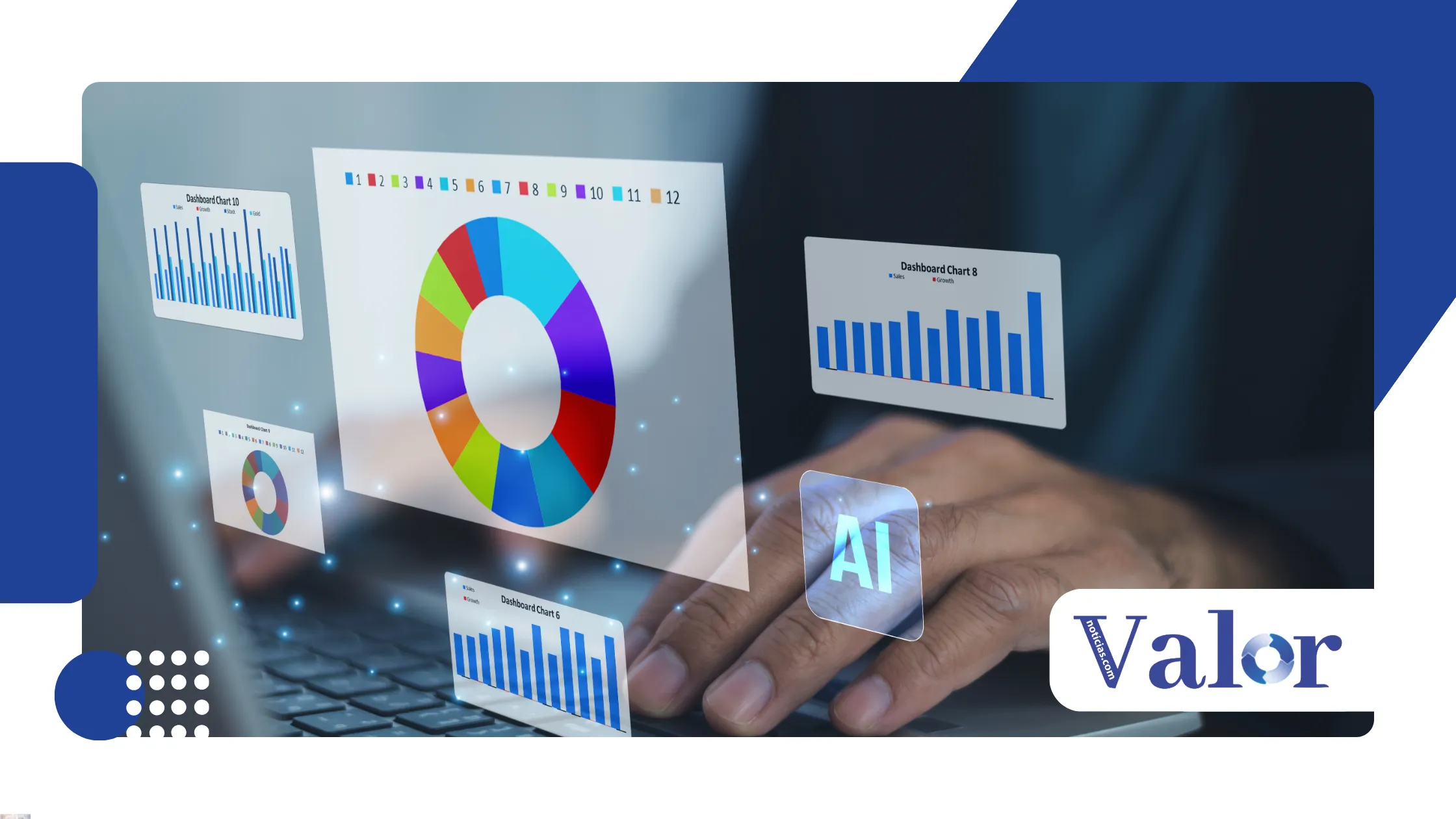
Top strategists have abandoned static spreadsheets in favor of Business Intelligence platforms tied to robust programming languages like Python and R.
This ecosystem processes mountains of microdata to capture subtle but definitive changes in the real purchasing power of families.
Master the The role of predictive economics It requires familiarity with these tools that convert digital noise into surgically precise commercial targeting.
Fintechs use this intelligence to map credit risk even before the customer misses their first payment.
Advanced CRM systems now include modules that trigger personalized offers precisely when the user is most likely to buy.
This surgical precision increases conversion rates and eliminates the financial waste of generic campaigns.
Where can predictive models be applied to mitigate operational risks?
This mathematical engineering goes far beyond the screens of traders on Faria Lima or Wall Street, redesigning entire logistics chains.
Large retail chains cross-reference weather forecasts with regional consumption data to position inventories before demand explodes.
In times of geopolitical turbulence, the The role of predictive economics It takes on strategic security dimensions to guarantee the flow of supplies.
Smart companies use these simulations to create alternative routes and avoid bottlenecks that paralyze entire industries.
Even the energy sector relies on this mechanism to predict national consumption peaks and avoid collapses in transmission lines.
Modern strategic planning simply cannot move forward if it cannot calculate tomorrow's impact using today's data.
++ Productivity in Brazil hinders sustainable economic growth.
Conclusion
Predictive economics has established itself as the ultimate driver of market decisions that generate real value, combining technology and strategy.
Ignoring this cultural shift means accepting that your operation will be navigating blindly, relying solely on luck in a ruthless market.
THE The role of predictive economics This will gain even more traction as quantum computers and refined algorithms advance in the coming years.
Being outside this technical orbit is not an option for those who intend to lead the next economic cycles.
To understand the international parameters surrounding the responsible use of this data, it is worth reading the analyses published by Organisation for Economic Co-operation and Development (OECD), which dictates global trends on the subject.
FAQ
What differentiates traditional economics from predictive economics?
Traditional economics focuses on explaining the reasons behind past events, while the predictive approach processes this history to calculate probabilities of future scenarios.
Can any company apply predictive economics to its business?
Yes, the maturation of cloud-based analytics tools has made the technology accessible to companies seeking to optimize their sales and inventory.
What is the actual accuracy of current predictive economic models?
Accuracy depends directly on the integrity of the data collected, but current models exceed 85% in accuracy in short-term projections.
Will artificial intelligence replace human economists in the market?
No, artificial intelligence speeds up the processing of large volumes of information, but fine strategic decision-making and contextual analysis depend on the human mind.
