
Economics for Beginners: Learn to Read the Market in Minutes
Economics for Beginners: Economics can seem like a maze for beginners! Learn to Read the Market in Minutes!
Advertisements
But really, it's like a map: with the right tools, anyone can learn to navigate it.
Therefore, understanding the market doesn't have to be a difficult task, especially if you know where to start.
In this guide about Economics for Beginners, we'll simplify the concepts and show you how, in just a few minutes, you can capture the signals that move money around you.
First, it's essential to recognize that economics isn't just about numbers on graphs or complicated jargon.
It reflects human behavior, the choices we make and how we react to the world.
So, by diving into this universe, you will, above all, be learning to observe patterns and trends that affect everything from the price of bread to the value of the dollar.
So, get ready for a practical and smart journey.
Here, you'll discover how to interpret the market without getting lost in dense theories, using everyday examples and simple strategies.
Let's go?
Why Does Economics Matter to You?
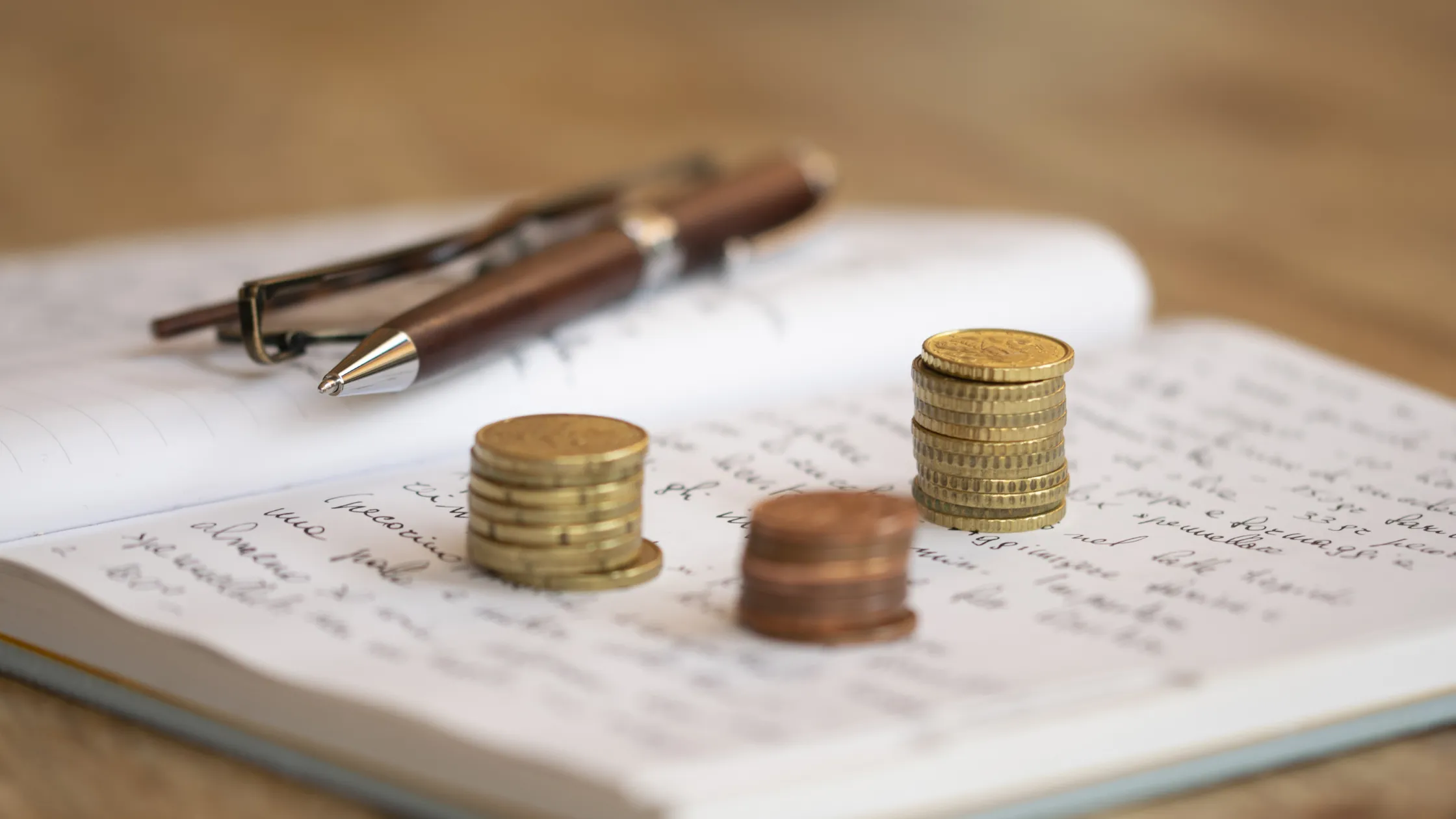
First of all, understanding economics is more than knowing where to invest or how to save.
It explains why the price of the coffee on the corner has gone up or why wages don't keep up with inflation.
In that regard, Economics for Beginners It's about bringing clarity to the financial chaos that surrounds us, allowing you to make more informed decisions.
Furthermore, the market is a direct reflection of the forces of supply and demand.
When lots of people want something, like masks during a pandemic, the price goes up.
On the other hand, if no one wants to buy an outdated product, it loses value.
So learning to read these dynamics is like gaining a superpower: you start to predict movements before they happen.
Ultimately, the economy isn't a distant monster; it's in your pocket, in your routine.
By mastering the basic concepts, you go from being just a spectator to an active player.
Want an example? Look at the next supermarket price increase and ask, "What's behind this?" That's where the magic begins.
Getting Started: Basic Concepts You Need to Know

To begin with, every beginner must understand three pillars: supply, demand, and inflation.
These terms appear in any economic news story, and fortunately, they are simpler than they seem.
So, with Economics for Beginners, let's break them down in a practical way, without beating around the bush.
First, supply is how much of a product or service is available, while demand is how much people want to buy it.
Imagine a concert by a famous band: if there are few tickets (low supply) and many fans (high demand), the price skyrockets.
Otherwise, with many tickets and little interest, prices will drop. This way, you can start analyzing the market around you.
Furthermore, inflation appears as the silent villain.
It measures the general increase in prices and affects your purchasing power.
For example, if bread cost R$ 2 two years ago and now costs R$ 3, inflation is at work.
So, following an index like the IPCA in Brazil is a quick way to understand if money is “shrinking”.
See the main Brazilian indexes in the table below:
| Index | What it measures | Frequency |
|---|---|---|
| IPCA | Consumer inflation | Monthly |
| IGP-M | General inflation (includes producers) | Monthly |
| Selic rate | Basic interest rates in the economy | Variable |
How to Read the Market in Minutes?
Now that you know the pillars, let's get down to business: reading the market quickly.
To do this, the secret is to observe the right signs, and, with Economics for Beginners, you don't need hours to do this.
In just a few minutes, you can capture the essentials.
First, start with the news.
Websites like G1 Economia or Valor Econômico feature daily headlines on interest rates, the dollar, and inflation.
However, don't just read; ask yourself, "How does this affect me?"
If the dollar rises, for example, imported goods like electronics become more expensive. This way, you now know where to save or invest.
Then use the data to your advantage.
++ Why Is the Job Market So Volatile? An Economic Analysis
The table below shows simple indicators that you can check in less than five minutes:
| Indicator | Where to find | Why does it matter? |
|---|---|---|
| Dollar | Google, UOL Economia | Affects imports and travel |
| Stock Exchange (Ibovespa) | B3, Yahoo Finance | Shows the mood of the market |
| Interest (Selic) | Central Bank of Brazil | Influences loans and investments |
Finally, practice connecting with everyday life. If oil prices rise abroad, fuel prices here rise.
So, with this logic, you transform headlines into practical decisions, like postponing a purchase or taking advantage of a promotion.
The Mistakes Every Beginner Should Avoid
While learning is exciting, many stumble at first.
Therefore, in Economics for Beginners, it is crucial to point out the most common pitfalls and how to intelligently avoid them.
First of all, avoid overconfidence.
Reading a news story and thinking you've already dominated the market is a classic mistake.
Instead, question everything: “Why did this happen?
What are the consequences?” This way, you build critical thinking that goes beyond the obvious.
Furthermore, don't ignore the details.
Small changes, such as a 0.5% increase in the Selic rate, may seem insignificant, but they affect everything from home financing to savings yields.
So, train your eye to pick up on these subtle movements – it's what separates the beginner from the strategist.
Finally, avoid the temptation to blindly follow “gurus.”
The market is dynamic, and what worked yesterday may fail tomorrow.
So, trust your analytical skills more than promises of quick gains. Solid knowledge is your greatest asset.
Practical Tools for Everyday Life
Once you understand the concepts and avoid the mistakes, it's time to get your hands dirty.
Happily, Economics for Beginners It doesn't require expensive software or long courses; the best tools are at your fingertips.
First, apps like TradingView or Mobills help you monitor indicators and organize your personal finances.
While the first shows stock and exchange rate charts, the second helps you see how inflation eats away at your budget.
This way, you combine theory and practice without complications.
Plus, social networks like X are gold for beginners.
There, economists and analysts share insights in real time.
However, filter what you read: look for trustworthy profiles and compare opinions.
For example, a post about the rise of the dollar might include an explanatory link – click and learn more.
Finally, create a weekly "economic radar." Set aside five minutes to check three things: inflation, the dollar, and interest rates. Record the values in a simple table:
| Week | IPCA | Dollar | Selic |
|---|---|---|---|
| 01/03/2025 | 0,4% | R$ 5.60 | 10,5% |
| 08/03/2025 | 0,5% | R$ 5.65 | 10,75% |
This way, you can follow trends and gain confidence to interpret the market on your own.
++ Circular Economy: How to Make Money Being Sustainable
The Power of Starting Small
Finally, the greatest asset of Economics for Beginners is simplicity.
You don't need to be an expert to understand the market, just start with the basics and grow gradually.
So why not take the first step today?
Indeed, every news story you read, every index you observe, is a building block in your knowledge base. Over time, what once seemed confusing becomes intuitive.
For example, if you see the Ibovespa falling, you'll know that fear is taking over investors – and it might be time to buy cheap.
In conclusion, learning economics is like learning to cook: it starts with a simple recipe, but soon you create your own dishes.
So, take these tips, observe the world around you, and turn minutes of reading into powerful market insight.
The economy is waiting for you, and now you know how to read it.
