
Investback on your card transforms cashback into an investment strategy.
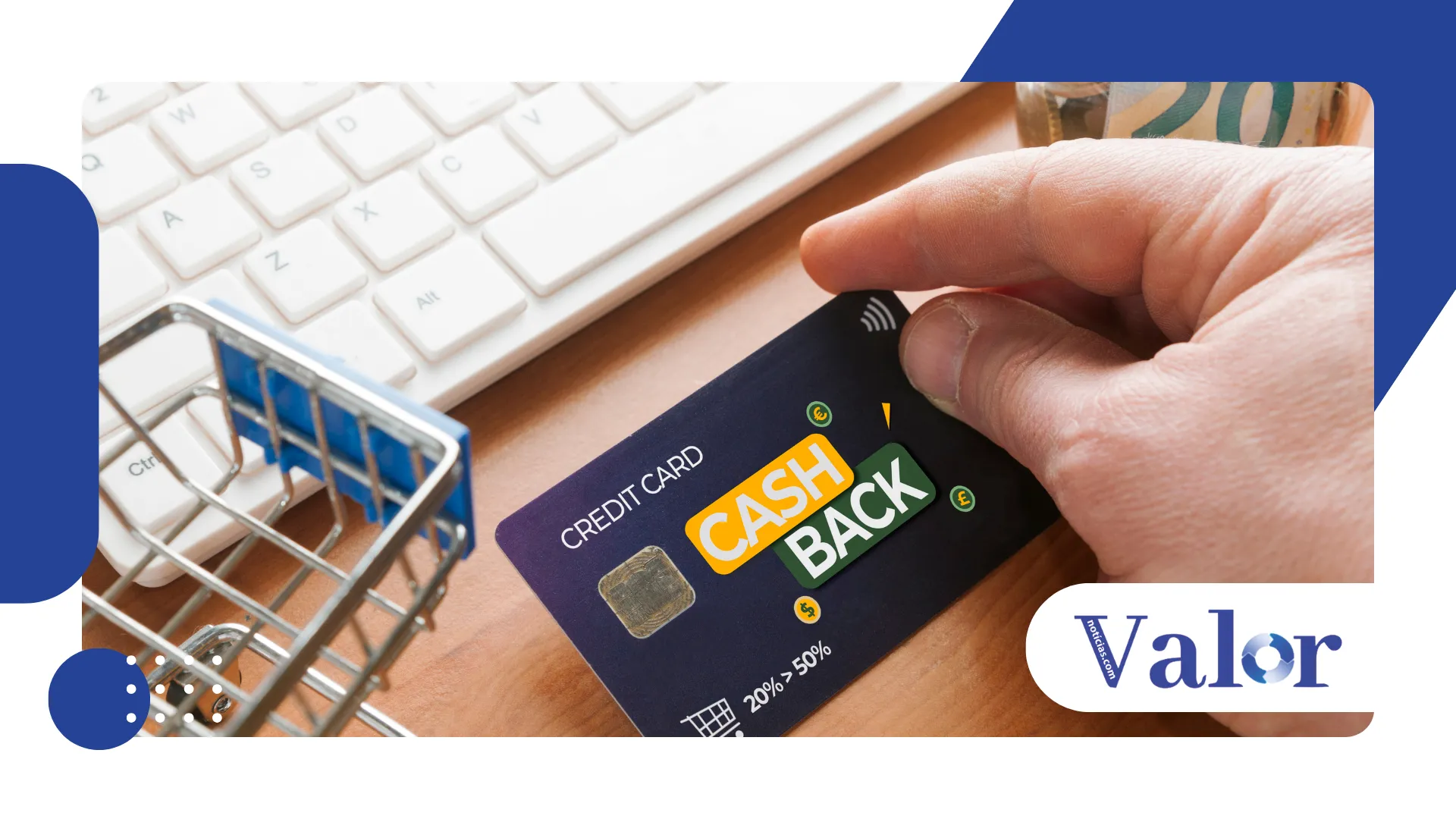
THE Investback on your card It reveals a pragmatic shift in consumption: the exchange of the illusory accumulation of miles for real assets that yield returns from day one.
Advertisements
The logic here abandons the mere discount. Instead of wasting money on points that expire in limbo, a percentage of each purchase goes directly to fixed income or stocks.
It's the automation of financial habits. The investment happens without you needing to make a conscious decision with each payment on your bill.
Summary
- What is Investback on a credit card and how does it work?
- What are the real differences between traditional cashback and investback?
- What is the potential return on investment (ROI) over the years?
- Which credit cards offer the best investback rates on the market?
- How to choose the best investback credit card for your profile?
- What are the risks and taxes involved in investback?
- Conclusion
- Frequently Asked Questions (FAQ)
What is Investback on a credit card and how does it work?
There's something silent happening in this machine. The financial institution takes a portion of the machine's interchange fee and injects it directly into a highly liquid investment.
There's no technical mystery. The money falls into post-fixed funds, Selic Treasury bonds, or index funds, generating daily compound interest in your account.
The key point here is behavioral: automation beats procrastination. Investback on your card It transforms unavoidable spending into disciplined, frictionless contributions.
What are the real differences between traditional cashback and investback?
Traditional cashback deceives the mind. It returns the balance to the bill and gives us the false impression of a gain, opening the door to new impulsive spending.
However, an investment-focused approach imposes a healthy safeguard. Capital remains tied up in products that attempt – and generally succeed – in outperforming inflation.
Analyzing the regulation of Securities and Exchange Commission (CVM)
, It is clear that this segregated custody protects the client against any potential disruptions from the broadcaster.
THE Investback on your card In practice, it functions as a barrier against the very impulse to spend the reward the following week.
What is the potential return on investment (ROI) over the years?
Treating this return as pocket change is a classic misjudgment. In high-interest rate environments, the multiplier effect of compound interest is surprisingly powerful.
Maintaining the same average spending for a decade generates a significant critical mass. It's a typical passive strategy that grows in the background, without fanfare.
++ How to rebuild credit after periods of default.
Which credit cards offer the best investback rates on the market?
The fight for middle- and upper-income clients has intensified the margins for brokerage firms. Black and Infinite cards currently deliver between 1% and 1.5% in returns.
XP, BTG, and Inter dominate this market segment with integrated ecosystems that facilitate the flow between the invoice and the investment platform.
| Issuing Institution | Average Percentage | Destination Financial Asset | Exemption Requirement |
| XP Visa Infinite | 1.0% to 1.5% | Trend LFT Fund (Fixed Income) | Starting from R$ 5,000 invested |
| BTG Pactual Black | 1,0% | Selic Fund or Fixed Income | R$ 30,000 in investments or spending |
| Inter Black | 1.0% to 1.2% | My Piggy Bank / Inter Funds | Invoice above R$ 7.000 |
| Modalmais Visa | 0.75% to 1.0% | Modal Investment Funds | Active relationship with the brokerage firm. |
Note that the nominal rate doesn't tell the whole story. The liquidity of the destination fund is just as important as the percentage displayed in the marketing.
To guarantee the benefit of Investback on your card This requires extra attention to the criteria for annual fee exemption, so that the fee does not eat up the income.
++ Preventive card blocking increases after digital fraud.
What are the most common mistakes when using this benefit model?
The most frequent mistake is to view the reimbursement of part of the expenses as a license to overspend, ruining the month's budget.
Another recurring mistake involves accepting automatic allocations to very low-yield funds, neglecting the analysis of the asset in which the capital rests.
Ensuring the success of this strategy requires continuous operational discipline, paying the full amount of the invoice strictly on the due date.
How to choose the best investback credit card for your profile?
Do the math: if the annual fee charged is greater than the investment generated in the year, you are financing the bank's marketing.
Ideally, look for broadcasters with clear exemption rules based on monthly spending or custody volume. Monitoring via Central Bank of Brazil
It helps to monitor abusive pricing practices.
The decision-making process needs to consider flexibility of choice. Banks that lock in returns on bad funds defeat the purpose of the tool.
What are the risks and taxes involved in investback?

Receiving the funds is not subject to income tax because it is considered reimbursement of expenses. But the story changes when the money starts to generate interest.
The returns generated within the fund follow the traditional regressive tax table. The longer the money remains untouched, the lower the tax rate will be.
If the money goes into Certificates of Deposit (CDBs), it's guaranteed by the Deposit Insurance Fund (FGC). If it goes into multi-market funds, there's a risk of fluctuation – something conservative investors hate.
++ What Really Happens If You Only Pay the Minimum on Your Credit Card for 3 Months?
Conclusion
This method eliminated the bureaucracy of manual redemption and exposed the fragility of old loyalty programs, full of catches and short deadlines.
The beauty of the system lies in its simplicity. It transforms a passive and painful act – paying bills – into an automatic mechanism for accumulating capital.
Adopt the Investback on your card It's a smart tactical decision for those seeking financial efficiency without having to redesign their entire spending routine.
Frequently Asked Questions (FAQ)
Is investback subject to income tax at the time of receipt?
No. The amount is considered reimbursement for expenses. Income tax is only levied on the profits that this money generates within the chosen investment.
Is it possible to lose accumulated money through investback?
If the program invests the balance in equity funds or variable income assets, then yes. In government bonds or post-fixed income investments, the risk is minimal.
What is the practical difference between airline miles and investback on a credit card?
Miles expire, are subject to inflation in airline award charts, and require constant management. The investment is liquid, permanent, and earns daily interest.
Is there a minimum invoice amount to receive a refund?
It varies by broadcaster. Some refund any amount; others require a minimum monthly spending threshold to validate the benefit in the contract.
Is the invested balance available for immediate withdrawal at any time?
It depends on the financial product linked to the card. Securities with daily liquidity allow redemption on the same day, while certain funds require longer terms.
