
Tips for Keeping Your Car in Good Condition Without Spending a Lot
Keeping your car in good condition without breaking the bank can seem like a challenge, especially with rising maintenance and parts costs.
Advertisements
However, with some smart strategies and a little dedication, you can ensure your vehicle stays in excellent condition without breaking the bank.
In this article, we'll explore practical and effective tips that will help you save money while taking care of your car.
1. Perform Preventive Maintenance Regularly
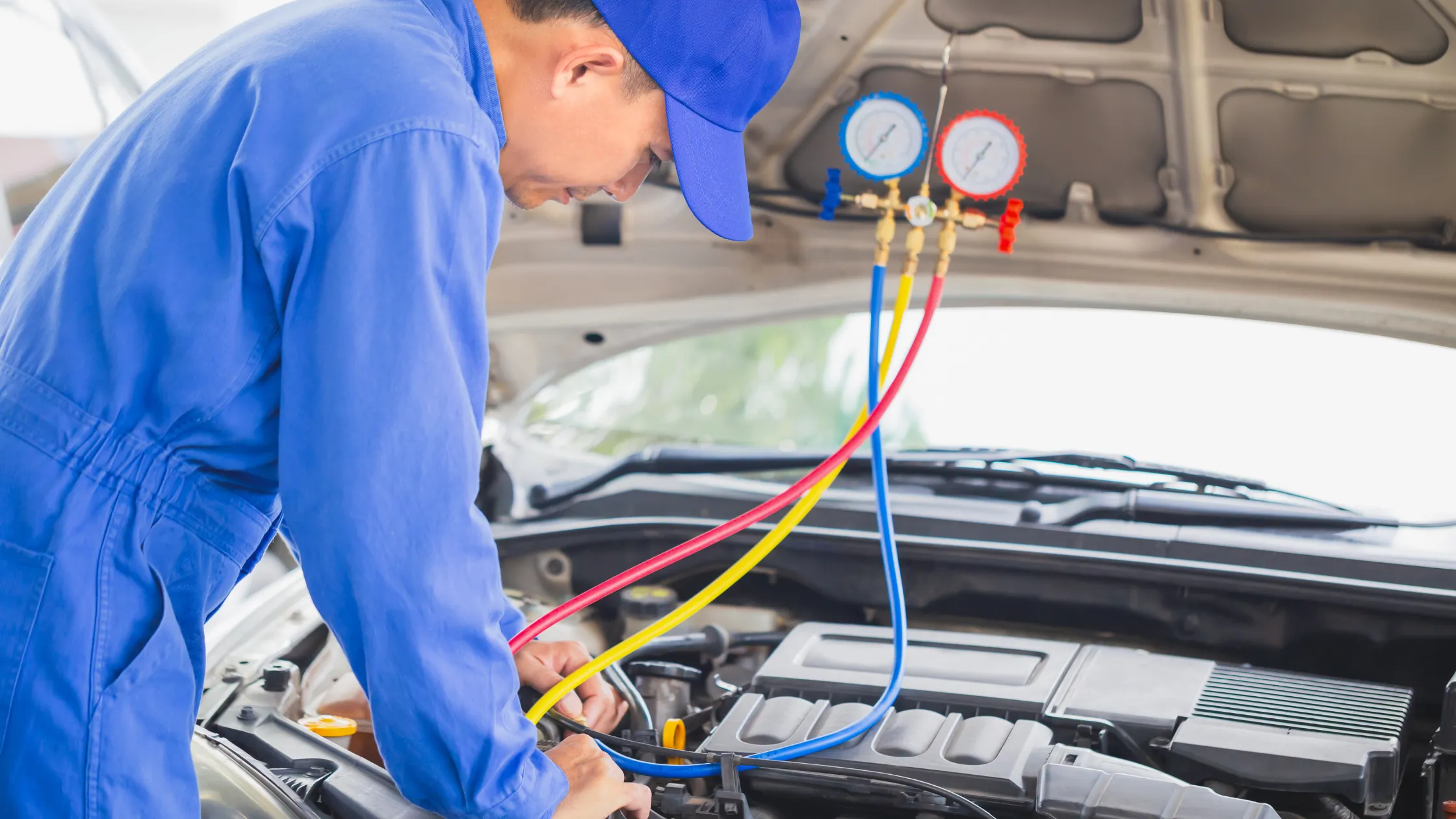
One of the best ways to keep your car in good condition without spending a lot is to invest in preventative maintenance.
Contrary to what many people think, preventing problems is always cheaper than fixing them after they arise.
For example, changing your engine oil regularly can prevent premature wear and serious problems in the future.
Additionally, it is essential to follow the owner's manual, which contains the manufacturer's recommended maintenance schedule.
This includes replacing filters, checking fluids, and inspecting components such as brakes and tires.
By following these guidelines, you'll avoid unpleasant surprises and ensure your car runs efficiently for longer.
Furthermore, another important point is to be aware of signs of wear or malfunction.
Strange noises, warning lights on the dashboard, and changes in vehicle performance are all indicators that something is not right.
By identifying these signs early, you can resolve the problem before it becomes more serious and costly.
++ How to Choose an Accountant for Your Business or Personal Finances
2. Take Care of Your Tires to Avoid Unnecessary Expenses
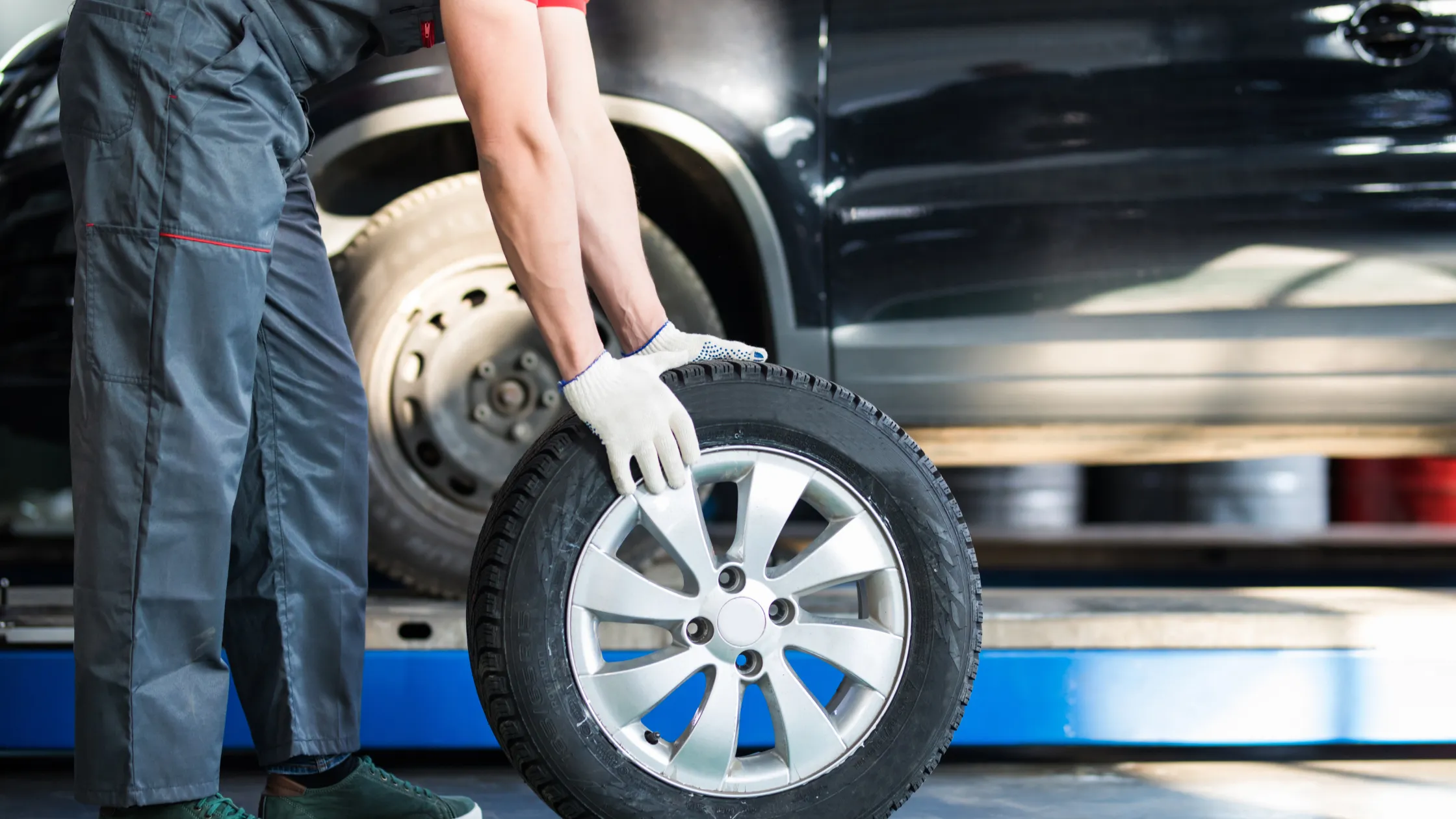
Tires are one of the most important components of a car and, at the same time, one of the most neglected.
Keeping your tires in good condition not only improves safety, but also helps save fuel and avoid the cost of premature replacements.
Therefore, it is essential to regularly check your tire pressure, as under-inflated tires increase fuel consumption and wear out more quickly.
Another valuable tip is to rotate your tires every 10,000 km.
This procedure ensures that the tires wear evenly, prolonging their useful life.
Additionally, it is important to align and balance your wheels periodically, especially after severe impacts such as potholes or collisions.
These simple practices can prevent significant expenses in the future.
Finally, pay attention to the general condition of the tires.
Check regularly for cuts, blisters, or uneven wear.
If you notice any abnormalities, it is recommended to take the car to a professional for an evaluation.
In short, remember that tires in good condition are essential for vehicle safety and performance.
3. Save Fuel with Good Driving Practices

Another effective way to keep your car in good condition without breaking the bank is to adopt fuel-efficient driving habits.
Driving aggressively, with sudden acceleration and braking, increases fuel consumption and prematurely wears components such as brakes and tires.
Therefore, adopting a gentle and conscious driving style can make a big difference to your wallet.
Also, avoid carrying unnecessary weight in the car.
The heavier the vehicle, the greater the strain on the engine and, consequently, the fuel consumption.
Remove items that aren't used frequently, such as luggage racks or toolboxes, to reduce load and improve energy efficiency.
Another practice that can help you save fuel is planning your routes in advance.
Avoiding traffic jams and unnecessary long journeys can reduce travel time and fuel consumption.
Using navigation apps that show you the fastest, least congested route is an excellent way to save money.
++ Home office and finances: how to balance expenses while working from home
4. Clean Your Car Regularly to Keep It Clean
Keeping your car clean is not just a matter of aesthetics, but also of preservation.
Accumulated dirt can corrode paint and damage exterior components such as bumpers and headlights.
Therefore, washing your car regularly is a simple and economical way to keep it in good condition.
In addition to cleaning the outside, it is important to take care of the inside of the vehicle.
Vacuuming the upholstery and cleaning the dashboard with suitable products prevents the build-up of dust and dirt, which can cause long-term damage.
For those looking to save money, a good tip is to clean at home, using quality products and following the manufacturer's recommendations.
Another important aspect is weather protection.
If possible, park your car in covered areas or use protective covers to prevent damage from sun, rain, and pollution.
These simple measures can extend the life of paint and exterior components, avoiding repair costs.
5. Learn to Make Small Repairs at Home
Many car owners don't know, but it's possible to perform minor repairs and maintenance at home, saving money on mechanics.
For example, changing burned-out light bulbs, replacing windshield wipers, and checking fluid levels are simple tasks that anyone can do with a little knowledge and the right tools.
Additionally, learning to identify common problems can help you avoid unnecessary expenses.
For example, if your car is having trouble starting, it could simply be a dead battery, which can be recharged or replaced without the need for a mechanic.
There are several online tutorials that teach you step by step how to perform these tasks.
However, it is important to know how to recognize the limits.
More complex repairs, such as engine or transmission problems, should be left to qualified professionals.
Trying to fix these problems at home can result in greater damage and higher costs down the road.
6. Use Quality Parts and Compare Prices
When it is necessary to replace car parts or components, it is essential to choose quality products.
Low-quality parts may seem cheaper in the short term, but they tend to last less and cause problems later, resulting in additional expenses.
Therefore, investing in good quality parts is a smart way to keep your car in good condition without spending a lot.
Another valuable tip is to compare prices before making any purchase.
There are several stores and suppliers that offer discounts and promotions, especially on common parts like filters, brake pads, and batteries.
Using the internet to research and compare prices can help you find the best deals.
Also, consider purchasing refurbished or used parts, as long as they are in good condition.
These options are usually more economical and can be a viable alternative for those who want to save money without compromising quality.
7. Keep Documentation Up to Date
Keeping your car's documentation up to date is essential to avoid fines and legal problems, which can result in unnecessary expenses.
Regularly check the expiration of your vehicle licensing, insurance, and inspection, if applicable.
Additionally, it is important to keep all proof of maintenance and repairs performed, as they may be useful in the event of resale or warranty.
Another important aspect is the review of the insurance contract.
Check whether the coverage meets your needs and whether you can get discounts or better conditions from other insurers.
Well-tailored insurance can represent significant savings in the long run.
Finally, be aware of manufacturer recalls and updates.
Participating in recalls and performing recommended updates can prevent future problems and ensure your car is always in good condition.
++ Buy Now Pay Later: Advantages and Risks of Online Installment Purchases
Table: Comparative Costs of Preventive vs. Corrective Maintenance
| Maintenance Type | Average Cost | Benefits |
|---|---|---|
| Preventive | R$ 200 – R$ 500 per year | Avoids serious problems, extends the life of the car, saves fuel |
| Corrective | R$ 1,000 – R$ 5,000 or more | It solves existing problems, but can be more costly and time-consuming. |
Conclusion
Keeping your car in good condition without spending a lot is perfectly possible with a little planning and dedication.
By adopting practices such as preventative maintenance, tire care, fuel economy, regular cleaning, and minor home repairs, you can ensure your vehicle remains in excellent condition without breaking the bank.
Additionally, using quality parts, comparing prices, and keeping documentation up to date are smart strategies that contribute to long-term savings.
By following these tips, you will not only save money, but also increase the safety and performance of your car.
In short, remember that prevention is always the best way to avoid unnecessary expenses and ensure your vehicle is always ready for the road.
