
Slowing consumption in 2026 worries national retail and industry.
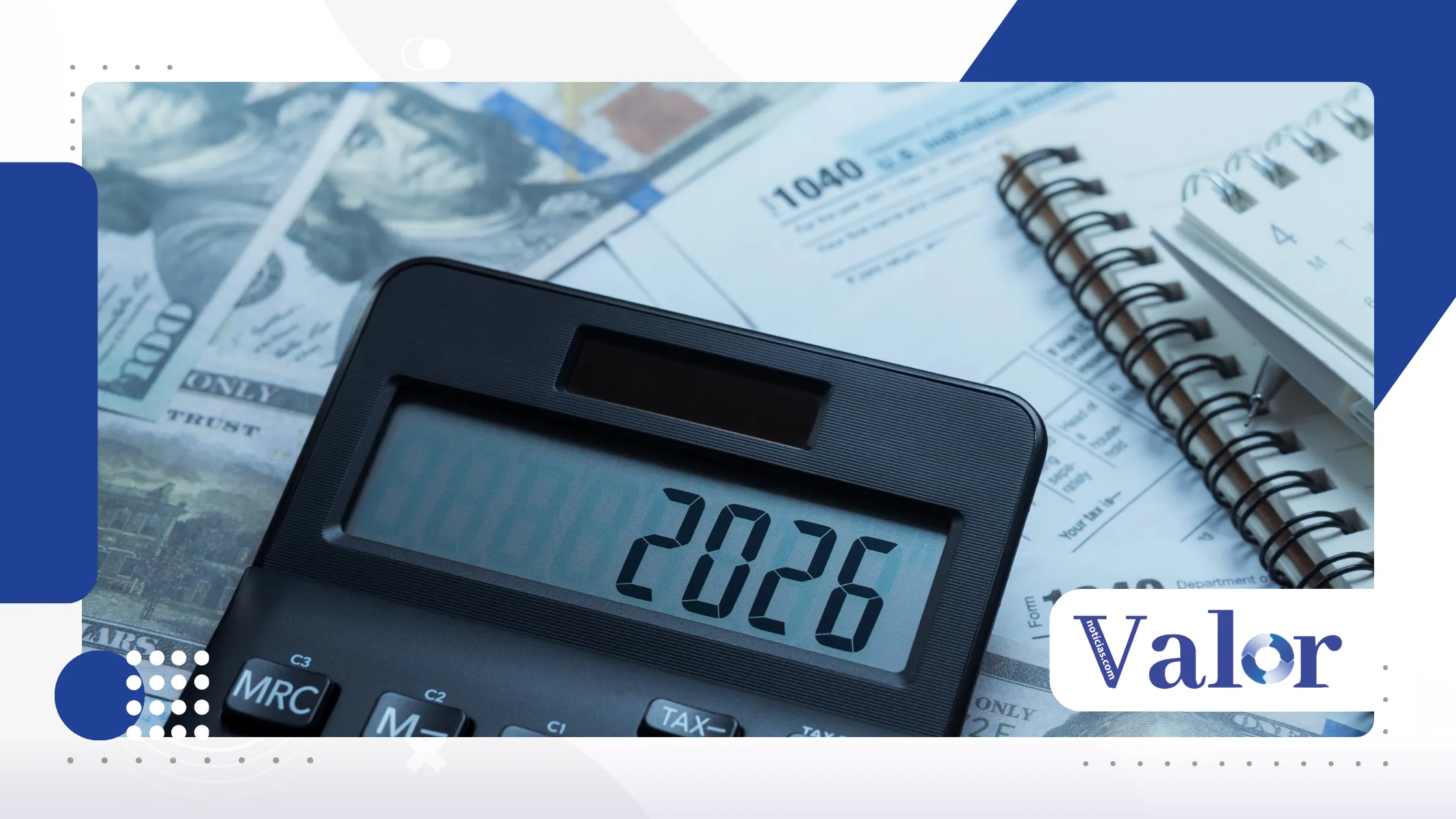
The economic scenario for 2026 presents an unpalatable reality: the slowed consumption 2026 worries Leaders in the national retail and industrial sectors, who now need to operate in a minefield of structural uncertainties and low liquidity.
Advertisements
Maintaining restrictive interest rates, coupled with debt that appears to have become chronic among Brazilian families, has created a deadlock in the Gross Domestic Product (GDP) for this semester.
This is not just a seasonal fluctuation, but a reckoning between growth expectations and the reality of what people are paying for.
In this analysis, we delve into the causes of this downturn and how companies are desperately trying to prevent 2026 from being remembered only as the period of the economic "great pause."
Summary
- The roots of the economic downturn in 2026
- Which sectors are suffering the most from the drop in sales?
- The role of credit and inflation in purchasing power.
- Survival strategies for the national industry
- Table: Comparison of economic indicators
- Frequently Asked Questions (FAQ)
The roots of the economic downturn in 2026
The analysis of this phenomenon begins with the behavior of the average consumer, who has abandoned impulsiveness in favor of an almost surgical selectivity in the face of inflation in services and basic foodstuffs.
The fact is that the slowed consumption 2026 worries Investors who were misled by optimistic projections in the past are now facing full shelves and empty shopping carts in the country's main retail chains.
There is a clear fatigue in the payroll loan market; what once fueled commerce is now merely an anchor in the budgets of millions of Brazilians who have already committed their future income.
Consumer confidence is fluctuating at dangerously low levels, reflecting a silent fear that employment, while it exists, is not enough to cover the rising cost of living in metropolitan areas.
Understanding this moment requires looking beyond the balance sheets and realizing how the cost of capital is suffocating small business owners, who are struggling to maintain inventory without becoming mortally indebted.
Which sectors are suffering the most from the drop in sales?
Durable goods — like that new refrigerator or the latest model car — have become postponed dreams, leading the statistics for declining sales as credit becomes an inaccessible luxury.
We know that the slowed consumption 2026 worries The manufacturing industry is being severely impacted; the result is the bleak sight of crowded factory yards and assembly lines operating at a snail's pace.
The fashion retail sector is also feeling the impact, as consumers have begun applying the logic of extreme necessity: if clothing is not essential for work or protection, the purchase is simply discarded.
Even e-commerce, which seemed unbeatable, has hit its growth ceiling, forcing industry giants to cut logistics costs to maintain some profit margin in a price war scenario.
Low-cost services still persist, but it's a weak survival; people are trading the purchase of goods for maintaining small, attainable luxuries, like a coffee or an inexpensive streaming service.
The Brazilian textile industry, squeezed between a domestic downturn and an influx of ultra-cheap Asian products, faces an identity and viability crisis that threatens thousands of direct jobs.
The role of credit and inflation in purchasing power.
Inflation may seem under control according to some official indicators, but at the supermarket the story is different: the price of protein and produce continues to devour any real wage gains.
This scenario slowed consumption 2026 worries Banks, in particular, are being affected, as defaults are beginning to show signs that families' financial resources have reached their historical limit.
Credit cards, with their prohibitive interest rates, have ceased to be a tool for consumption and have become a villain feared by the middle class, who now avoid revolving credit as if fleeing a trap.
Debt renegotiation programs are clearing names, but this "recovered" money doesn't go back into retail; it's used to pay off the past, leaving the present economy still quite weak.
The national industry, in an almost desperate move, is betting on "re-inflation"—smaller packaging at seemingly the same price—trying to keep the product affordable for those with shrinking budgets.
Interestingly, there is a forced maturation: Brazilians are learning to avoid long-term installment plans, which is great for personal finances but a nightmare for the immediate revenue of large department stores.
Survival strategies for the national industry
To avoid succumbing, Brazilian industry is doubling down on automation and artificial intelligence, seeking efficiencies that were previously ignored when sales flowed smoothly without significant managerial effort.
To understand that slowed consumption 2026 worries The entire economic landscape has led rival brands to share logistics infrastructure in order to reduce the impact of shipping costs on the final price.
Private label brands, once viewed with suspicion, now shine on the shelves; they offer consumers the dignity of consumption at a price that fits within the reality of a tight household budget.
Sustainability has ceased to be "green marketing" and has become a survival strategy, focusing on durability and reuse, which attracts an audience tired of expensive and inefficient disposable products.
Loyalty programs are being rebuilt from scratch: the focus has shifted from the endless accumulation of points to immediate discounts at the checkout, the only language that today's consumer truly understands.
Those who can export breathe easier; the weakness of the national currency transforms foreign sales into a lifeline for industries that see the domestic market stagnating at a low rate.
++ CVM Open Data: How to Investigate Funds Before Investing
Table: Comparison of economic indicators
The numbers below don't lie: they paint a picture of a year that demands caution and far more careful risk management than we've seen in the last decade.
++ Instant offline payments enter a new testing phase.
| Economic Indicator | Status 2025 (Ref.) | Projection 2026 | Impact on Retail |
| SELIC rate | 10.50% | 11.25% | Expensive credit hinders long-term sales. |
| Inflation (IPCA) | 4.5% | 3.8% | High prices, but rising more slowly. |
| Consumer Confidence | 88 points | 79 points | Fear of the future hinders immediate consumption. |
| Industry Growth | 1.2% | -0.5% | Production is falling and inventories are stagnant. |
The future of retail in the face of the new digital reality.
Digitization is no longer a shiny new thing; it's essential oxygen. Companies that still treat the online world as an "add-on" to the physical world are simply signing their own commercial death warrant.
As the slowed consumption 2026 worries For senior management, the use of Big Data is no longer optional; predicting what the customer wants before they even know it is the only way to avoid wasting capital.
Dynamic pricing algorithms now adjust prices minute by minute, attempting to capture the consumer at the exact moment they decide to click the buy button, combating aggressive competition.
Last-mile logistics remains the biggest geographical challenge in Brazil, but whoever solves the problem of fast delivery wins the loyalty of a customer who no longer accepts waiting weeks for an order.
Humanizing digital customer service has become the new differentiator; in a world of generic bots, the brand that manages to offer real and personalized advice can increase the value of each sale made.
The current crisis is severe, but it is clearing the market of inefficient models, forcing a technical evolution that, while painful now, may pave a more solid path for the industry's future.
++ MED 2.0 in the digital account: how to dispute Pix with a better chance
Final Reflection
The year 2026 will not forgive amateurism. The national retail and industrial sectors are facing a mirror that reflects the urgent need to abandon outdated growth formulas based solely on easy credit.
The fact that the slowed consumption 2026 worries This serves as a wake-up call for reinvention; the brands that understand that consumers have changed their hierarchy of values will be the only ones to thrive in the next decade.
Adapting to a scarcity of purchase intent requires more than promotions; it demands a real connection with the needs of an audience that is more aware, indebted, and, above all, demanding.
To keep up with the data shaping this new reality, it's worth consulting the updated demographic and consumption analyses provided by [source name/source]. IBGE (Brazilian Institute of Geography and Statistics).
Frequently Asked Questions (FAQ)
1. Why is consumption falling in 2026?
The combination of high interest rates, which make credit more expensive, and the commitment of family income to past debts prevents new purchasing cycles.
2. What measures are companies taking?
Total focus on operational efficiency, use of AI to predict demand, and creation of more affordable product lines to maintain inventory turnover.
3. Is there a forecast for improvement in the next semester?
The projection is for sideways stability. A real improvement should only occur if there is consistent easing of monetary policy and greater job security.
4. How does this affect small shop owners?
Small retailers are under the most pressure from a lack of working capital, needing to focus on specific niches and extreme customer loyalty to survive the drop in sales.
